
Blooming
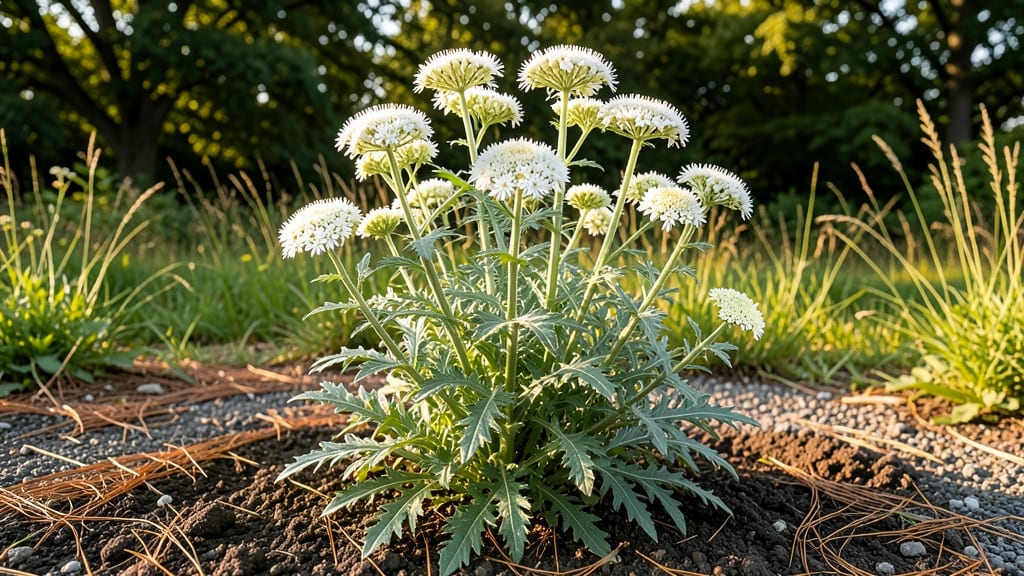
Yarrow can bloom all summer long when given the right conditions, including regular deadheading, full sun exposure, well-drained soil, and consistent watering. This hardy perennial produces its signature flat-topped flower clusters continuously from early summer through frost.
Yarrow's extended blooming season isn't magic—it's all about understanding its growth habits. 🌿 This hardy perennial stores energy in its deep roots, allowing it to produce new flower stems throughout the growing season.
The key trigger is deadheading spent blooms, which signals the plant to redirect energy into fresh growth rather than seed production. I've seen yarrow plants in my garden continue flowering well into October when given these basic care essentials.
What most gardeners miss is that yarrow actually produces its flowers in clusters called cymes, where older flowers bloom first. This unique growth pattern means you'll naturally get staggered blooms throughout the season.
The plant's resilience comes from its ability to handle drought once established, but consistent moisture during its active growing months (spring to early fall) will maximize that continuous bloom display.
💡 In This Article
- Yarrow’s Natural Reblooming Cycle Explained
- Maximizing Yarrow Blooms: Pruning and Soil Tips
Yarrow’s natural reblooming cycle explained
Yarrow's ability to bloom continuously stems from its unique botanical structure as a hardy perennial. Unlike annuals that complete their life cycle in one season, yarrow stores energy in its extensive root system, allowing it to regenerate flower stems throughout the growing season.
The plant's growth habit involves producing multiple stems from the same root base, each capable of developing its own cluster of flat-topped flowers. These flowers grow in cymose inflorescences, where older flowers bloom first and younger ones develop at the base, creating a natural succession of blooms.
The reblooming process is triggered by a combination of temperature shifts and the removal of spent flowers.
As days grow shorter in late summer, yarrow perceives this as a signal to conserve energy, but with regular deadheading (removing faded blooms), the plant continues redirecting energy toward new growth rather than seed production.
This is why I've observed yarrow plants in my garden producing fresh blooms every 4-6 weeks throughout the season when properly maintained. The plant's natural resilience also means it can tolerate temperature fluctuations, continuing to bloom even as fall approaches.
What makes yarrow particularly adaptable is its deep root system, which can extend up to 3 feet underground. This allows it to access moisture and nutrients from lower soil layers, making it more drought-tolerant once established. The roots also store carbohydrates that fuel new growth when conditions are favorable.
During the growing season, yarrow typically produces its first flush of flowers in early summer, followed by continuous smaller blooms if spent flowers are removed regularly. This staggered flowering pattern is what gives yarrow its reputation for prolonged bloom periods.
The color of yarrow's flowers—ranging from white and pink to deep red—actually plays a role in its reblooming success. Darker-colored flowers absorb more sunlight, which can slightly warm the plant and stimulate growth. However, the primary driver for continuous blooming remains consistent care, particularly deadheading.
When you remove the old flower heads, you're essentially giving the plant a signal to produce more flowers rather than seeds. This is why gardeners who skip deadheading often see their yarrow's bloom period shorten significantly.
Seasonal temperature shifts also influence yarrow's reblooming cycle. The plant enters a semi-dormant state in winter, but with proper care, it can still produce new growth in early spring. The key is maintaining soil moisture during the growing season while allowing the roots to dry out slightly in winter.
This balance prevents root rot while ensuring the plant has enough energy to produce new blooms when temperatures rise again. In my experience, yarrow plants that receive 6-8 hours of full sun daily and well-drained soil continue blooming well into October in most climates.
One fascinating aspect of yarrow's reblooming is its ability to self-seed. While this can lead to unwanted spread in some gardens, it also means that yarrow can naturally replenish its blooms year after year.
The plant's seeds are lightweight and can travel on the wind, allowing new plants to establish themselves in favorable conditions. This natural propagation method contributes to yarrow's reputation as a low-maintenance perennial that can thrive with minimal intervention.
However, for the most controlled and continuous bloom display, regular deadheading remains the most effective strategy.
The science behind yarrow's extended bloom season lies in its ability to balance growth and reproduction. By removing spent flowers, you're essentially tricking the plant into thinking it's not yet time to produce seeds, which encourages it to continue flowering.
This is why deadheading every 2-3 weeks during the growing season can result in yarrow blooms that last from early summer through frost. The plant's natural resilience, combined with this simple care technique, makes yarrow one of the most reliable perennials for continuous color in the garden. 🌸