
Blooming
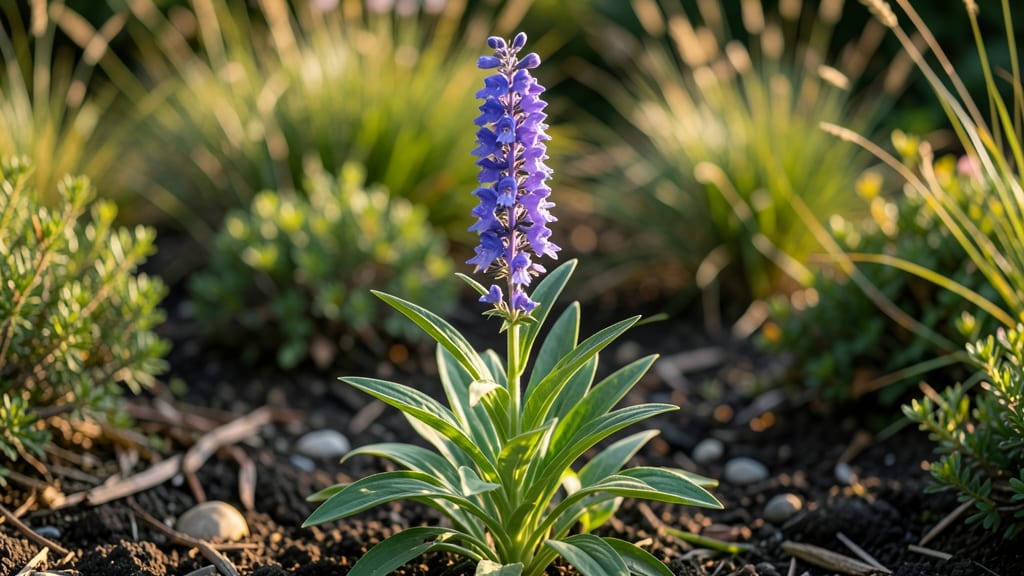
Yes, speedwell does bloom all summer with proper care, particularly perennial types like Veronica longifolia or Veronica spicata, which reward regular deadheading with continuous flowering. Heat-sensitive varieties may slow in peak summer but bounce back with consistent maintenance.
Speedwell's summer-blooming habit comes down to two key factors: variety selection and maintenance. 🌿 Perennial speedwell plants naturally produce new flower buds along their stems, but they need a nudge—removing faded blooms redirects energy toward fresh growth.
This technique works best when done early in the blooming cycle, before seed pods form. Annual varieties typically bloom nonstop until frost, while perennials may take a brief pause during extreme heat before rebounding.
What sets speedwell apart is its adaptability. While some varieties thrive in full sun, others prefer partial shade, making them versatile for garden edges or containers.
The secret to maximizing blooms lies in matching the plant's needs to its environment—whether that means adjusting watering during heatwaves or providing afternoon shade for cooler-season types.
💡 In This Article
- How Deadheading Extends Speedwell’s Summer Bloom Season
- Top Perennial Speedwell Varieties for Nonstop Summer Color
How deadheading extends speedwell’s summer bloom season
Deadheading speedwell isn’t just about tidying up—it’s a biological hack that exploits the plant’s natural growth patterns. When you remove spent blooms, you eliminate the seed pods that would otherwise signal the plant to shift energy from flowering to reproduction.
This triggers the plant’s apical dominance mechanism, where growth hormones concentrate at the stem tips, prompting new flower buds to form along the sides. For perennials like Veronica longifolia, this can create a cascading effect of blooms that lasts 8-12 weeks longer than unpruned plants.
The timing of deadheading makes all the difference. Remove faded flowers within 2-3 days of wilting to maximize reblooming, but wait until the blooms are fully spent—cutting too early can remove buds that haven’t yet opened.
Annual speedwell varieties, like Veronica pectinata, respond instantly to deadheading with new blooms appearing in 7-10 days, while perennials may take 2-3 weeks to show results due to their deeper root systems.
The key is consistency: a weekly check during peak bloom season keeps the plant focused on producing flowers rather than seeds.
What most gardeners overlook is how deadheading affects the plant’s overall health. By preventing seed production, you reduce the plant’s energy drain, allowing it to allocate more resources to root development and future blooms.
This is especially critical during summer’s heat stress, when perennials might otherwise conserve energy by slowing flower production. Regular deadheading can push a heat-stressed plant to produce 30-50% more blooms than one left to its own devices, turning a mid-summer lull into a second flush of color.
There’s also a scientific reason why perennials like Veronica spicata outperform annuals in long-term blooming. Their woody stems store energy reserves that annuals lack, allowing them to bounce back from heatwaves or drought with minimal stress.
Annuals, while prolific, exhaust their energy in a single season unless you’re aggressive with deadheading. For example, Veronica ‘Sunny Border Blue’ can produce 15-20 new blooms per stem over a summer with proper maintenance, while an unpruned annual might produce only 5-8 blooms before fading.
One common mistake is deadheading too late in the season. If you prune back perennials after mid-August, you risk cutting off next year’s flower buds, which form in late summer.
Annuals are more forgiving, but even they benefit from a final light pruning in early fall to encourage a tidy finish. The payoff? A speedwell plant that looks like it’s on a never-ending summer vacation, with blooms appearing in waves from June through September.
For those who want to push the limits, consider a two-step approach: deadhead lightly every 5-7 days during peak bloom, then do a more aggressive pruning after the first flush of flowers to encourage a second round.
This technique works particularly well for Veronica ‘Red Fox’, which can produce vibrant red blooms in both early and late summer with this method.