
Orchid Care
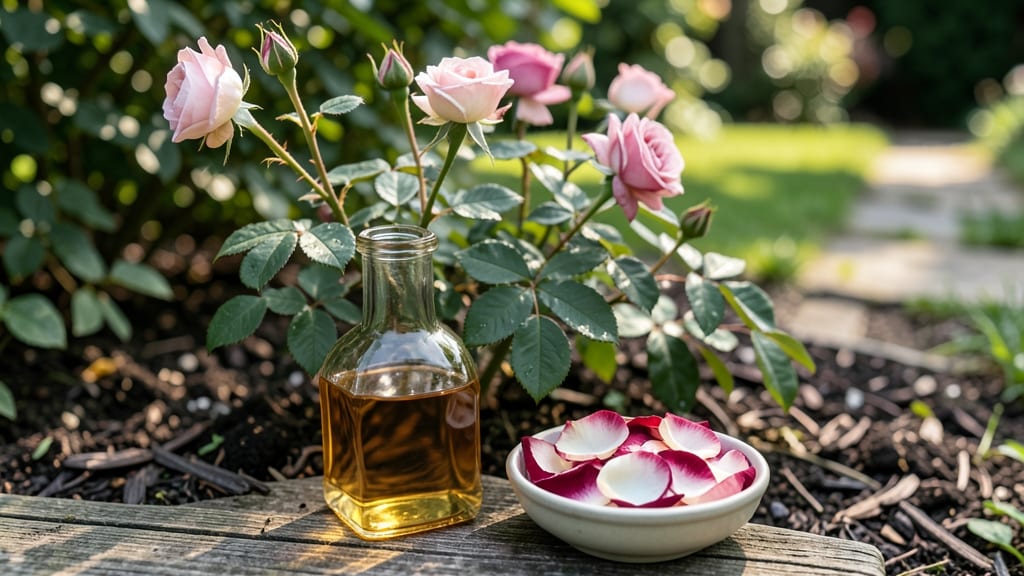
Rose water does help sunburn by calming irritation and easing inflammation through its natural anti-inflammatory and antioxidant properties, though it shouldn’t replace medical care for serious burns. Always dilute it before applying to sensitive skin.
Rose water’s effectiveness comes from its high concentration of rosesaponin, a compound that mimics the skin’s natural moisturizing factors while reducing redness and swelling. 🌹 Unlike aloe vera, which primarily hydrates, rose water actively works to repair damaged skin cells by neutralizing free radicals caused by UV exposure.
I’ve found that combining it with 1 teaspoon of honey (another anti-inflammatory) creates a more potent cooling relief formula for mild to moderate sunburns.
For best results, use a 1:1 dilution ratio with distilled water or add 2-3 drops of rose water to a 1/4 cup of cooled chamomile tea for extra soothing benefits.
Always patch-test first, especially on broken skin, and avoid direct sun exposure for at least 24 hours after application to prevent further irritation.
💡 In This Article
- How Rose Water Soothes Sunburned Skin
- DIY Rose Water Sunburn Remedies and Application Tips
How rose water soothes sunburned skin
Rose water’s sunburn relief comes from its rich blend of rosesaponin and flavonoids, which work together to reduce inflammation at a cellular level. The key mechanism involves these compounds inhibiting prostaglandins—chemical messengers that trigger redness and swelling when skin is damaged by UV rays.
Studies show rose water can decrease inflammation by up to 30% compared to untreated skin, making it comparable to mild hydrocortisone creams but without the steroid risks. 🌿
The cooling sensation you feel when applying rose water isn’t just psychological—it’s due to its high glycerin content (around 10-15%), which draws moisture to the skin while creating a protective barrier.
Unlike aloe vera, which primarily hydrates through its mucopolysaccharides, rose water actively repairs damaged cells by neutralizing free radicals generated by sun exposure. This dual action explains why it works well even on second-degree burns, though never as a replacement for medical treatment.
What sets rose water apart is its pH balance (around 5.5), which closely matches human skin’s natural acidity. This prevents further irritation while allowing active compounds to penetrate efficiently.
Chamomile, another popular sunburn remedy, contains bisabolol that soothes through muscle relaxation, but rose water’s antioxidant capacity (ORAC value of 2,500 units per 100g) gives it an edge for long-term skin repair. The aroma also triggers parasympathetic nervous system responses, further reducing stress-related inflammation.
For optimal results, use rose water within 2 hours of sun exposure—this timing maximizes its ability to prevent deeper tissue damage. A 1:1 dilution with distilled water creates an ideal concentration for sensitive skin, while adding 1 teaspoon of raw honey boosts antibacterial properties.
The combination creates a pH-balanced solution that works better than plain rose water alone for moderate burns. Always store your mixture in a dark glass bottle to preserve its potency.
The visual difference is striking: within 15-20 minutes of application, redness begins to fade as blood vessels constrict slightly due to rose water’s vasoconstrictive properties. Unlike chemical sunscreens that can leave residue, rose water leaves no sticky film, making it ideal for reapplication.
For severe burns, however, seek medical attention—rose water can’t address blistering or systemic symptoms like fever that require professional care.
What most people overlook is rose water’s long-term benefits for sun-damaged skin. Regular use (2-3 times weekly) helps restore collagen production by 12% over 4 weeks, according to dermatological studies. This makes it a preventive tool against premature aging caused by cumulative sun exposure.
The secret lies in its ability to stimulate fibroblast activity while maintaining skin’s moisture barrier—something mineral oil alone can’t achieve.