
Blooming
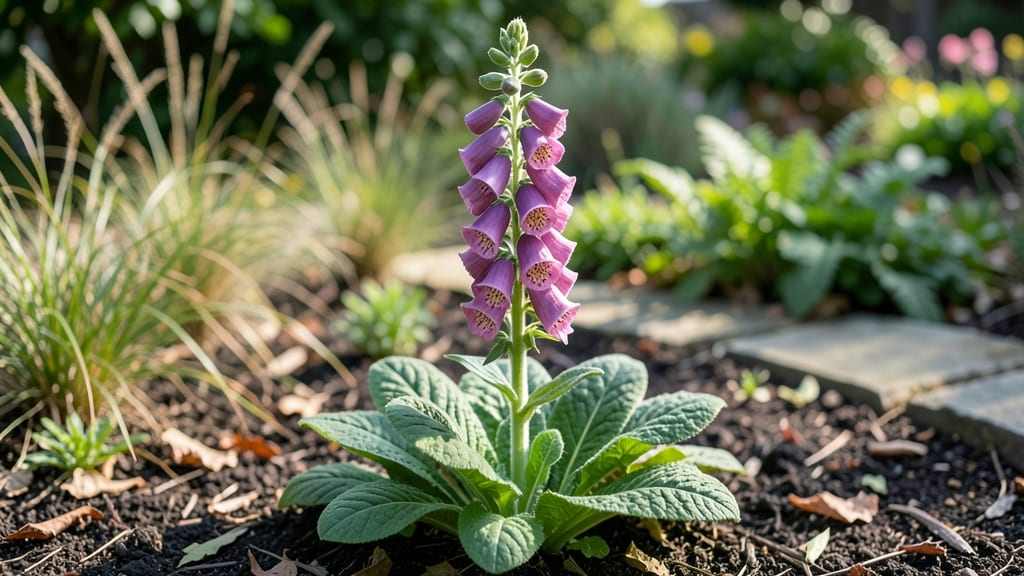
Foxglove does not bloom all summer—its flowers typically appear once in late spring to early summer, lasting 4-6 weeks before fading. Biennial varieties may rebloom sporadically, but most produce a single, dramatic flowering cycle annually.
Foxglove's stunning but fleeting blooms are part of its natural life cycle. 🌸 This biennial or short-lived perennial plant conserves energy for its dramatic spring-to-early-summer show, often producing 100+ flowers per stalk before entering dormancy.
While some varieties might surprise you with sporadic reblooms, most gardeners focus on enjoying that one spectacular display rather than chasing all-season blooms. The trade-off? Foxglove's striking height and unique bell-shaped flowers make it worth the seasonal wait for any garden.
What's interesting is how foxglove allocates its resources. After flowering, the plant shifts focus to seed production or root development, explaining why you won't see continuous blooms. This biological strategy actually benefits gardeners—it prevents overblooming that could weaken the plant, ensuring stronger growth for next year's show.
💡 In This Article
- Why Foxglove Flowers Are Seasonal: Plant Biology Explained
- How to Extend Foxglove Blooms: Pruning and Care Tips
Why foxglove flowers are seasonal: plant biology explained
Foxglove's seasonal blooming is hardwired into its biennial life cycle, where energy allocation shifts dramatically between years. In its first year, the plant focuses on developing a robust root system and basal leaves, storing energy for the flowering stage.
Only in its second year does it produce those iconic bell-shaped flowers—typically between May and July in temperate climates—before dying back. This two-year cycle explains why you won't see continuous blooms, as the plant prioritizes survival over prolonged flowering.
The timing of foxglove's bloom is also controlled by photoperiodism—its response to daylight length. As daylight hours increase in spring, the plant's hormonal system triggers flowering. The flowers themselves contain self-pruning mechanisms: each bloom lasts only 7-10 days before wilting, conserving energy for seed production.
This rapid turnover prevents the plant from expending resources on maintaining open flowers throughout summer, which would weaken its overall health.
Temperature plays a critical role too. Foxglove thrives in cool to moderate climates (USDA zones 4-8), where spring temperatures hover around 50-70°F. Warmer summer conditions can actually suppress flowering by accelerating the plant's metabolic shift toward seed production.
The bell-shaped flowers also have a unique thermoregulatory adaptation: their dark purple coloring absorbs heat, creating microclimates that protect developing seeds from late-season heat stress.
What makes foxglove's bloom period so dramatic is its energy investment per flower. Each stalk can produce 50-100 flowers, but this massive display requires significant resources. After flowering, the plant enters a senescent phase, where it redirects energy to seed production or—if biennial—dies back completely.
This biological strategy ensures the species' survival by producing a high volume of seeds in a single season rather than spreading energy thin across multiple bloom cycles.
Interestingly, foxglove's seasonal nature isn't just about biology—it's also an evolutionary adaptation. The plant's late spring to early summer bloom time coincides with peak pollinator activity, particularly bees and hummingbirds.
This timing maximizes pollination success while minimizing competition with other spring bloomers. The trade-off? Gardeners get that one spectacular show rather than a prolonged, less impressive display.
For those wondering about reblooming varieties, some modern hybrids and biennial types may produce secondary blooms in late summer if given ideal conditions. However, these are exceptions rather than the rule.
The plant's natural tendency is toward a single, dramatic flowering event that leaves a lasting impression in the garden.