
Blooming
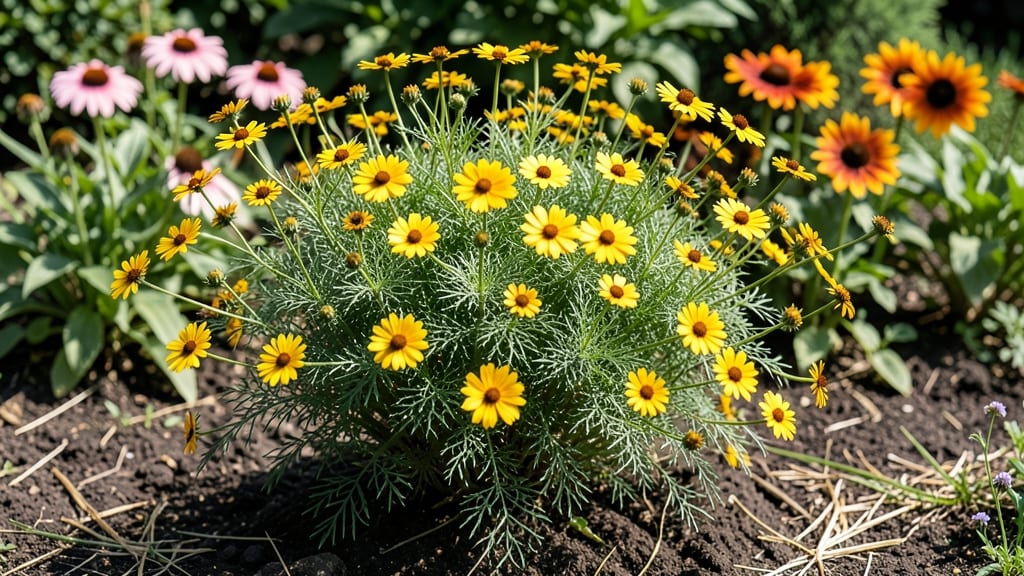
Coreopsis does bloom all summer in most varieties, creating continuous color from mid-spring through early fall with vibrant displays that typically peak for 6-8 weeks depending on your climate and care routine. Many types will even produce sporadic reblooms if you keep up with deadheading.
Most coreopsis varieties are designed to be summer performers, thriving in warm weather and delivering those cheerful blooms when other perennials might fade. 🌼 The key to their long-lasting display lies in their natural resilience—these plants handle heat better than many competitors, which is why they're such garden workhorses.
What really makes them shine is their adaptability: while some varieties like Coreopsis verticillata (threadleaf coreopsis) bloom later in the season, others like Coreopsis lanceolata (lanceleaf coreopsis) start earlier and keep going strong.
Your local climate plays a surprisingly big role in how long they'll bloom. In warmer southern regions, you might see flowers appearing as early as April and lasting well into October, while northern gardeners can still enjoy them from June through September.
The 6-8 week peak mentioned in the quick answer refers to the most intense flowering period, but with proper care, many varieties will reward you with scattered blooms throughout the entire growing season.
💡 In This Article
- Coreopsis Flowering Seasons by Variety and Climate
- How to Extend Coreopsis Blooms for a Full Summer Display
Coreopsis flowering seasons by variety and climate
Coreopsis varieties exhibit distinct bloom timing based on their species and genetic traits. The Coreopsis lanceolata (lanceleaf) group typically starts flowering earliest, often in late May to June, while Coreopsis verticillata (threadleaf) varieties tend to bloom later, around July to August.
This staggered timing creates a natural succession of color in your garden, ensuring you're never without cheerful blooms from one variety to the next. 🌸
The USDA hardiness zones significantly influence bloom duration, with plants in zones 5-6 (like much of the Midwest) experiencing shorter peak seasons (typically 6-7 weeks) compared to zones 7-9 (South and West) where blooms can extend for 8-10 weeks.
For example, in Zone 7, you might see continuous flowering from June through September, while in Zone 5, the window narrows to July through mid-August without proper care.
Temperature plays a crucial role in bloom initiation. Most coreopsis varieties require daytime temperatures consistently above 70°F to trigger flowering, which explains why southern climates enjoy longer bloom seasons.
However, some heat-tolerant varieties like 'Moonbeam' coreopsis can handle 90°F+ temperatures while still producing flowers, making them ideal for hot summer gardens. The plant's natural drought tolerance also contributes to its extended bloom periods.
Light exposure affects both bloom quantity and duration. Coreopsis thrives in full sun (6-8 hours daily), which maximizes flower production, but even in partial shade (4-6 hours), many varieties will still bloom for 4-6 weeks rather than the full season.
The trade-off is smaller, less vibrant flowers in lower light conditions. This is why gardeners in northern latitudes often combine coreopsis with taller plants to create microclimates that capture more sunlight.
Here's how different varieties compare in bloom timing:
- Early bloomers: Coreopsis lanceolata (May-July), 'Zagreb' coreopsis (June-August)
- Mid-season bloomers: Coreopsis tinctoria (June-September), 'Sunray' coreopsis (July-October)
- Late bloomers: Coreopsis verticillata (July-September), 'Moonbeam' coreopsis (August-October)
What most gardeners don't realize is that coreopsis varieties often have secondary bloom periods if given the right conditions. Some varieties like Coreopsis gigantea can produce sporadic flowers throughout the growing season if deadheaded regularly, effectively creating a 3-4 month display rather than just the peak season.
This makes them one of the most reliable summer performers in perennial gardens. 🌻