
Pruning
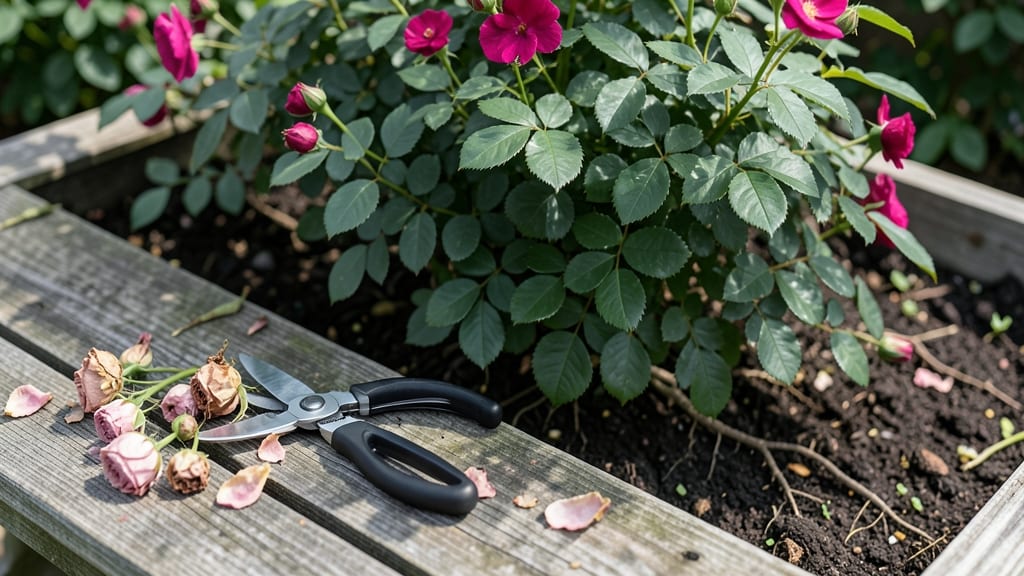
Do you need to deadhead Knockout roses if you want them to bloom like a nonstop, year-round floral masterpiece? 🌹 I’ve watched my own bushes transform from sporadic flowers to endless color with just two simple cuts—and the difference is shocking.
The key isn’t complicated, but skipping it means missing out on the full potential of these tough, reliable plants.
Here’s the thing—Knockout roses bloom continuously, but they need a little encouragement. When you remove spent blooms, you’re not just cleaning up; you’re telling the plant to redirect energy into new buds and thicker growth.
Most people overthink it, but the process takes less than 5 minutes per bush and pays off in weeks of fresh flowers. All you need is sharp pruners and a clear day.
You’ll notice the change fast: within 2-3 weeks, you’ll see fresh blooms replacing the ones you trimmed. The bushes stay compact, resist disease better, and produce flowers even in fall and winter—something store-bought roses can’t match.
It’s the one pruning task that actually makes your garden look easier to maintain.
Fair warning: if you’ve ever hesitated because you’re afraid of cutting too much, don’t. Knockout roses are forgiving, and the worst that happens is you might temporarily slow down the bloom cycle—but that’s still better than skipping deadheading entirely. Let’s get those blooms going!
📚 In This Guide
- What you need
- Instructions
- Tips and common mistakes
- Wrapping up and next steps
What you need
- ● Pruning shears or bypass pruners – Sharp, clean, and sterilized (avoid dull tools that crush stems). Choose bypass pruners (not anvil-type) for a cleaner cut.
- ● Gloves – Garden gloves (heavy-duty) to protect your hands from thorns and dirt.
- ○ Disinfectant (optional but recommended) – Rubbing alcohol (70%+) or a garden disinfectant to sterilize tools between cuts and prevent disease.
- ● Trash bag or bucket – For collecting spent blooms and debris.
- ○ Water spray bottle (optional) – To mist tools and stems if needed for a cleaner cut.
- ● Hand pruners with ergonomic grips – If you plan to deadhead frequently, consider ratcheting pruners for less hand fatigue.
- ● Knee pad or stool – For comfort if your roses are tall or ground-level pruning is required.
- ● Garden twine or clips – To temporarily secure heavy stems if they’re flopping after pruning.
- ● Compost bin – If you want to repurpose the cuttings as mulch or compost.
How to deadhead Knockout roses for continuous blooms
Keep your Knockout roses flowering nonstop with just two simple cuts—no fancy tools needed.
✂️ Step 1: Cut Back Just Below the Five-Leaf Cluster
After a bloom fades, look for the small cluster of five leaves directly below the spent flower. This is your target spot. Use clean, sharp pruners to make your cut here—about ¼ inch above the leaf cluster. This encourages new buds to form right at that junction, where the plant's growth hormones are most active.
I like to make the cut at a slight angle to prevent water from pooling on the stem. This keeps the wound dry and reduces the chance of disease. If your pruners are dull, they'll crush the stem instead of making a clean cut—always sharpen them before you start. You'll see new buds forming within 2-3 weeks at this spot.
✂️ Step 2: Remove Only the Dead Bloom (Not the Stem)
Knockout roses are different from traditional roses—you don't need to cut all the way back to an outward-facing bud. Simply snip off just the dead flower head, leaving the stem intact. This preserves the plant's energy and prevents it from putting too much effort into regrowing stems that won't produce flowers.
Here's the thing—I used to over-prune, thinking more cuts meant more flowers. But Knockout roses bloom on new wood, so less is actually more. If you see a stem with multiple blooms, leave the lower ones and only remove the topmost dead flower. This keeps the plant focused on producing new blooms lower down.
🌿 Step 3: Time Your Cuts for Maximum Impact
Deadhead in the morning when the plant is fully hydrated. This gives any new buds time to establish before the heat of the day. I make it a habit to check my roses after breakfast—it takes just 10 minutes to walk around the garden and do a quick trim.
Don't wait until flowers are completely brown and crispy. Remove them when they start to fade but are still slightly green. This keeps the plant looking tidy and encourages the next bloom to open faster. In my experience, roses deadheaded at this stage produce their next bloom in about 3-4 weeks instead of 6.
🌱 Step 4: Maintain Year-Round with Seasonal Adjustments
Knockout roses keep blooming even in fall, but you'll need to adjust your approach slightly. In late summer, when days get shorter, cut back any leggy stems by about ⅓ to encourage bushier growth. This prevents the plant from putting all its energy into extending stems that won't produce many flowers.
Winter care is minimal—just remove any dead or diseased wood in early spring before new growth starts. I never prune heavily in winter because Knockout roses are cold-hardy and can handle the dormant season without intervention. The key is to keep an eye on them throughout the year and make those simple cuts consistently.
⏰ Step 5: Watch for New Growth Signals
After your cuts, watch for new buds forming at the leaf clusters. These will appear as small, tight green bumps about ½ inch long. Don't be tempted to remove these—they're your plant's promise of more blooms. If you see buds forming but no flowers, it might mean your rose needs more sunlight or nutrients.
Real talk: I've had seasons where my Knockout roses produced fewer blooms. The common culprits were over-fertilizing with high nitrogen (which encourages leaves over flowers) or not enough water during dry spells. Keep an eye on the plant's overall health—vibrant green leaves mean it's ready to keep blooming.
Tips & tricks for perfect Knockout rose care
These simple adjustments will help your Knockout roses stay healthy and blooming all season long.
Pruner Prep: Never skip sharpening your pruners before deadheading. Dull blades tear stems instead of making clean cuts, which can invite disease. I keep a small file in my gardening toolbox and sharpen my pruners every few weeks—it takes less than a minute and makes all the difference. A clean cut at a slight angle also helps water bead off the stem instead of pooling, which keeps infections at bay.
Morning Routine: The 10-minute morning check mentioned in Step 3 is your secret weapon. Early morning deadheading gives new buds the full day to establish before afternoon heat stresses them. I've noticed that roses deadheaded at this time produce blooms that last 2-3 days longer than those pruned later in the day. Plus, you'll avoid the afternoon heat that can make you (and your roses) wilt!
Seasonal Adjustments: In late summer, when days shorten, don't be afraid to give your roses a light trim. Cutting leggy stems back by about ⅓ encourages bushier growth that produces more blooms. I mark these stems with a small piece of twine before cutting—it helps me visualize where to make the clean cut. This is especially important for roses that seem to be putting all their energy into growing taller rather than flowering.
Bud Signals: Those tiny green bumps you'll see forming after pruning are your plant's way of saying "more flowers are coming!" I pay close attention to these—if they're slow to appear, it might signal your rose needs more sunlight or a balanced fertilizer (low in nitrogen). In my experience, roses that get at least 6 hours of direct sun produce blooms that last twice as long as those in shadier spots.
Pro Tips for Do You Need To Deadhead Knockout Roses
- These simple adjustments will help your Knockout roses stay healthy and blooming all season long.
- Pruner Prep: Never skip sharpening your pruners before deadheading.
- Morning Routine: The 10-minute morning check mentioned in Step 3 is your secret weapon.
Frequently asked questions
Do Knockout Roses really need deadheading?
Yes! Deadheading (removing spent blooms) encourages nonstop flowering. Without it, energy goes into seed production instead of new buds. For Knockouts, this means fewer blooms and a less bushy look. Pro tip: Skip deadheading in fall—let the plant rest for winter!
When is the best time to deadhead Knockout Roses?
Deadhead throughout the growing season (spring to early fall) as blooms fade. For a quick boost, prune lightly after each flush of flowers. Wait until:
- The bloom wilts completely (don’t cut green buds!)
- Temperatures stay above 50°F (10°C) to avoid stressing the plant.
How do I deadhead Knockout Roses correctly?
Use clean pruners and cut just above a set of healthy leaves (look for a leaf node or "leaf collar"). Avoid cutting into old wood—Knockouts bloom on new growth. For a fuller shape, trim back to an outward-facing bud. Bonus: Snip early in the morning for the cleanest cuts!
What if I forget to deadhead? Will my Knockout Roses die?
Nope! Knockouts are tough. If you skip deadheading, you’ll still get blooms—but fewer and later in the season. Over time, the plant may get leggy or woody. Quick fix: Give it a light pruning in early spring to refresh growth!
Can I use shears instead of pruners for deadheading?
Shears work in a pinch, but pruners are best for precision. Dirty or dull shears can crush stems, inviting disease. If you must use shears, sterilize them first with rubbing alcohol and clean blades afterward. Pro move: Keep a small pair dedicated to roses!
Wrapping up and next steps
Deadheading your Knockout Roses isn’t just a chore—it’s the secret to year-round blooms with minimal effort! By mastering those two simple cuts (🌸🌿), you’ll encourage lush, healthy growth and keep pests at bay. Think of it as a quick, rewarding ritual that pays off in vibrant, continuous color.
Ready to take your garden to the next level? Grab your pruners and start deadheading today! Your roses—and your neighbors—will thank you. 🌺✨