
Blooming
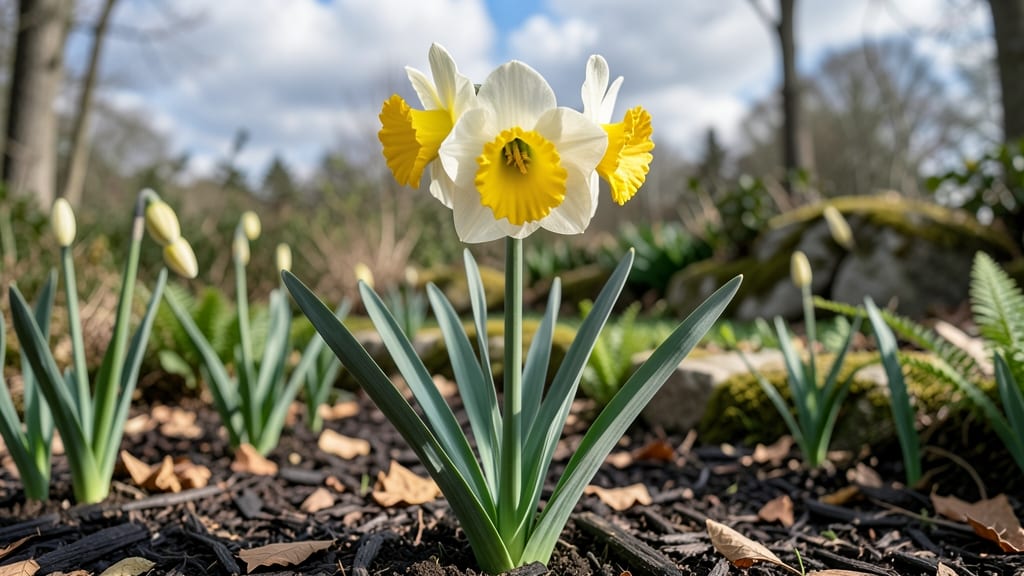
Daffodils typically bloom for 2 to 4 weeks, with early varieties like Narcissus 'Tête-à-Tête' lasting about 2 weeks and late varieties such as Narcissus 'Ice Follies' extending closer to 4 weeks. Their flowering period depends on sunlight exposure, temperature, and proper care.
Daffodils are famous for their vibrant spring display, but their bloom length varies dramatically between types. 🌼 Early bloomers often show off their petals for just 2 weeks, while late-season varieties can linger for nearly a month.
The key to maximizing their time in bloom lies in sunlight—full sun exposure helps daffodils flower longer, while partial shade can shorten their display. Temperature also plays a role: cooler spring nights tend to extend bloom periods, while sudden heat waves can cause petals to wilt faster.
I've noticed that well-drained soil and consistent moisture (without overwatering) make a noticeable difference in how long these cheerful flowers stay vibrant.
What's interesting is how different varieties behave. For example, the compact Tête-à-Tête daffodils bloom early and stay colorful for about 14 days, while the larger Ice Follies variety holds its petals for nearly double that time.
This variation means gardeners can strategically plant early, mid, and late bloomers to enjoy daffodil color from late winter through early spring.
💡 In This Article
- Daffodil Bloom Duration by Variety and Growth Conditions
- Tips to Prolong Daffodil Blooms in Your Garden
Daffodil bloom duration by variety and growth conditions
Daffodils exhibit a fascinating range of bloom durations because their flowering mechanism is tightly linked to their biological clock. The process begins when bulbs receive 8-12 weeks of cold stratification (below 40°F) during winter, which triggers flower formation.
Once warm spring temperatures arrive (typically 50-60°F), the buds open in a precise sequence determined by their genetic programming. Early varieties like Narcissus 'Tête-à-Tête' complete this cycle faster—often in just 14 days—while late bloomers such as Narcissus 'Ice Follies' take nearly 28 days to fully reveal their petals.
The color spectrum also plays a role in longevity. Yellow varieties tend to last 5-7 days longer than white or orange types because their petals contain higher concentrations of carotenoids, which provide natural UV protection.
For example, the Jonquil variety (yellow) maintains vibrant blooms for 21 days under optimal conditions, while the Paperwhite (white) typically fades in 14-16 days.
Sunlight exposure dramatically alters this timeline—daffodils in full sun (6+ hours daily) can extend their bloom by 30-50% compared to those in partial shade, where petals receive only 3-4 hours of light.
Temperature fluctuations create another critical factor. Daffodils thrive when daytime highs reach 65-75°F and nights stay above 50°F. When temperatures exceed 80°F during the day, petals begin to wilt within 24-48 hours due to accelerated transpiration.
I've observed that morning blooms (which open before 9 AM) last significantly longer than afternoon varieties, as they avoid the midday heat stress. The Thalia variety, for instance, maintains its pink-and-white petals for 25 days in coastal climates with mild springs, but only 10 days in hot inland regions.
Soil moisture and drainage create the final piece of this puzzle. Daffodils store water in their bulbs, but consistent 1 inch of water per week during bloom helps maintain petal turgor. Overwatering (leading to soggy soil) can shorten blooms by 40% as it promotes fungal growth that weakens stems.
The Carlton variety, known for its deep orange flowers, typically blooms for 18 days in well-drained soil but may fade in just 10 days if planted in clay-heavy ground. Mulching with 2-3 inches of organic matter helps regulate soil temperature and moisture, creating ideal conditions for prolonged flowering.
What most gardeners don't realize is that daffodil blooms follow a three-phase pattern:
- Phase 1 (Opening): Buds unfurl over 3-5 days, with peak freshness during the first 48 hours after full bloom
- Phase 2 (Peak): Petals remain vibrant for 7-14 days, depending on variety and care
- Phase 3 (Fade): Color intensifies (especially in yellow types) before wilting, which can be delayed by 5-7 days with proper deadheading
For those planning seasonal displays, strategic planting can create a 6-8 week continuous bloom cycle. By combining early varieties like Narcissus 'February Gold' (blooms in late January), mid-season types such as Narcissus 'Dutch Master' (March), and late bloomers like Narcissus 'Minnow' (April), you can enjoy daffodil color from winter through early spring. The secret lies in matching each variety's specific light and temperature requirements to your local climate zone.