
Blooming
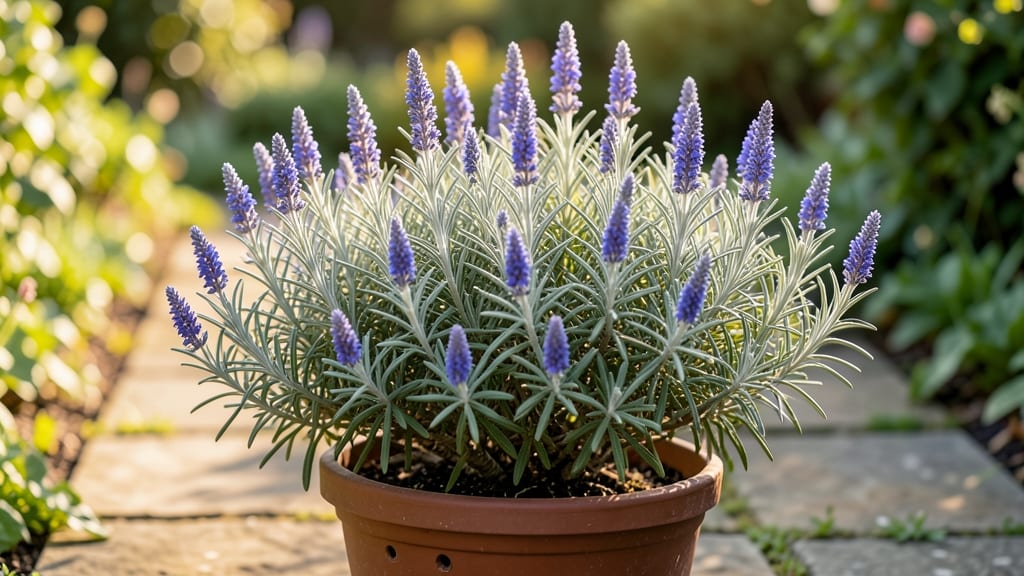
Salvias don't bloom all summer continuously, as their flowering follows seasonal patterns—most varieties bloom from spring through early fall, with select reblooming types extending into late summer when properly maintained. Their bloom duration depends heavily on species, climate, and sunlight exposure.
Salvias are seasonal performers rather than year-round bloomers, with most varieties showing their best color from late spring to early fall. 🌸 The key difference lies in their natural growth cycles: some like Salvia nemorosa produce a single flush of blooms, while others like Salvia 'May Night' can rebloom with consistent deadheading.
In warmer climates (USDA zones 8-10), you might see extended blooming periods, but even then, they'll follow seasonal cues rather than flower continuously.
What makes this interesting is how light exposure and pruning techniques can influence bloom duration. For example, cutting back spent flowers (deadheading) encourages many salvias to produce new blooms, while heavy pruning can sometimes trigger a second flush.
The right conditions turn what might seem like a seasonal limitation into an opportunity for prolonged color in your garden.
💡 In This Article
- Salvia Bloom Cycles by Variety and Seasonal Patterns
- How to Extend Salvia Blooms Through Late Summer
Salvia bloom cycles by variety and seasonal patterns
Salvias follow distinct bloom cycles tied to their natural growth rhythms. Most species, like Salvia nemorosa (the popular perennial salvia), produce a single, dramatic flush of flowers in late spring to early summer, typically lasting 4-6 weeks under ideal conditions.
This is because their energy is focused on establishing strong root systems and foliage before flowering—a survival strategy in their native Mediterranean habitats where summers are dry and hot. 🌿 In contrast, Salvia officinalis (culinary sage) often blooms later in summer, with smaller, less showy flowers that appear in clusters along the stems.
The key difference between one-time bloomers and rebloomers lies in their genetic programming. Varieties like Salvia 'May Night' or Salvia 'Hot Lips' have been selectively bred to respond to deadheading (removing spent blooms) by triggering new flower production.
This works because salvias are determinate growers—their flowering stems stop growing once they bloom, but cutting them back signals the plant to produce new stems.
In cooler climates (USDA zones 5-7), blooms may start later and end sooner, while in warmer zones (8-10), the season can stretch into October or November.
Climate plays a surprising role in bloom timing. Salvias native to high-altitude regions, like Salvia leucantha (Mexican bush sage), often bloom in late summer to early fall, aligning with their natural rainy season. This is why you'll see them flourish in USDA zone 8+ gardens when other salvias have finished.
Temperature also affects flower color intensity—cooler nights can deepen hues, while extreme heat may cause buds to drop prematurely. The right balance of 6-8 hours of sunlight and well-draining soil ensures they meet their energy needs for prolonged blooming.
What most gardeners overlook is how soil moisture influences bloom duration. Salvias store water in their fleshy roots, but overwatering can stress them, shortening their flowering period. In drought-prone areas, a 3-inch deep watering every 7-10 days (rather than frequent shallow watering) mimics their natural conditions and encourages longer blooms.
The trade-off? Too little water, and the plant conserves energy by producing fewer flowers.
Consider these bloom patterns when planning your garden:
- Early bloomers: Salvia nemorosa (May-June), ideal for spring color
- Mid-season bloomers: Salvia 'May Night' (June-August), perfect for deadheading to extend blooms
- Late-season bloomers: Salvia leucantha (August-October), thrives in warm climates
- Year-round interest: Salvia officinalis (foliage + occasional flowers), great for culinary gardens
For gardeners in USDA zones 5-6, where winters are harsh, salvias often bloom 2-3 weeks later than in warmer zones. This delay is due to slower spring warming, which triggers their flowering response.
The good news? With proper deadheading and mulching, you can coax an extra 4-6 weeks of color from reblooming varieties.