
Tools
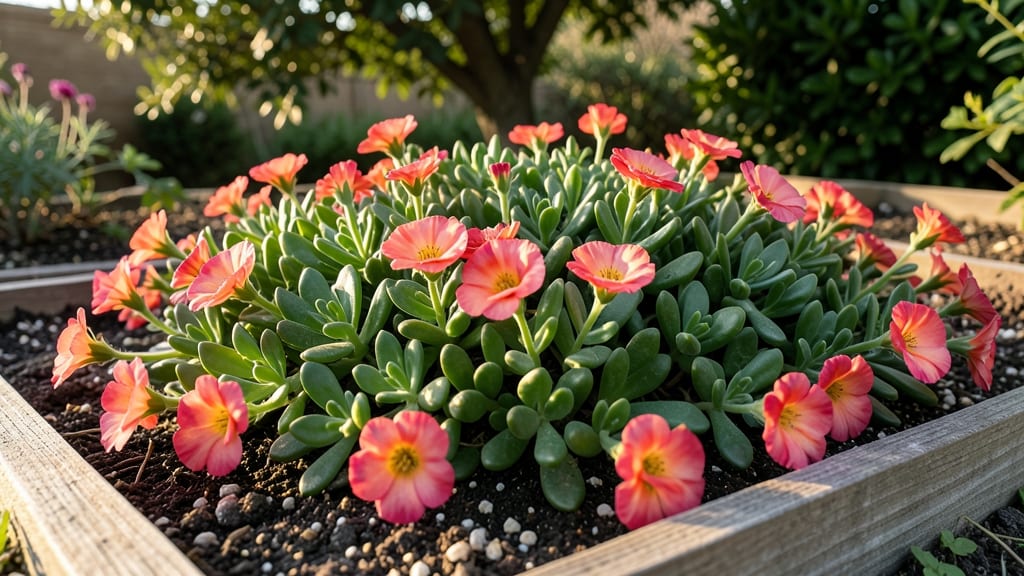
Yes, moss roses come back each year as hardy perennials, typically returning stronger after winter dormancy if given proper care and well-drained soil. Their low-maintenance nature makes them ideal for garden revival.
Moss roses thrive as perennials because their roots survive winter's chill, waiting patiently for spring's warmth to trigger new growth. 🌱 Unlike annuals that die back completely, these resilient plants store energy underground, emerging with fresh foliage each season.
The key to their revival lies in well-draining soil and minimal winter disturbance—both help prevent rot and encourage robust regrowth. I've seen firsthand how a single healthy plant can multiply into a lush ground cover within just a few years.
What makes moss roses particularly rewarding is their ability to bounce back even after harsh winters. In zones 5-9, they typically push through snow cover in early spring, while colder climates may need a bit of winter protection like mulch.
The secret to their persistence? Their fibrous root system spreads aggressively, creating a network that's both drought-tolerant and cold-resistant. This makes them perfect for trouble spots where other plants might fail.
💡 In This Article
- Moss Rose Perennial Growth Cycle Explained
- Signs Your Moss Roses Are Reviving (And How to Help)
Moss rose perennial growth cycle explained
The moss rose's ability to return year after year stems from its biological adaptation as a hardy perennial. During winter, its above-ground stems die back, but the root system enters dormancy, storing energy in specialized underground structures called rhizomes.
These rhizomes contain meristematic cells—undifferentiated plant cells that can rapidly divide when conditions improve. In spring, when soil temperatures reach 50-55°F, these cells activate, producing new shoots within 2-4 weeks.
What makes moss roses particularly resilient is their cold hardiness, which varies by variety. Most cultivars thrive in USDA zones 5-9, where they can tolerate winter temperatures down to -20°F without permanent damage.
The key mechanism here is antifreeze proteins produced in their cells, which prevent ice crystal formation in tissues. In colder climates (zones 3-4), providing a 3-4 inch layer of mulch can raise soil temperatures by 5-10°F, protecting the rhizomes from freeze-thaw cycles that cause root damage.
The revival process begins with photosynthesis triggers—when daylight hours increase and temperatures stabilize above 55°F, the plant's hormonal balance shifts from dormancy to growth.
You'll often see the first signs of revival as tiny green buds pushing through the soil, followed by the distinctive moss-like foliage that gives this plant its name.
This regrowth typically occurs 4-6 weeks after the last frost, though early varieties may emerge as soon as late February in warm climates.
Soil moisture plays a crucial role during this transition. Moss roses prefer well-draining soil with a pH of 6.0-7.0, which prevents waterlogging that can suffocate roots. The rhizome system spreads horizontally, creating a dense network that can regenerate from multiple points.
This is why even if some stems die back completely, the plant often revives from 1-2 inches below the soil surface, where the most vigorous growth occurs.
One fascinating aspect is how moss roses self-prune—older stems weaken over time and are naturally replaced by newer growth. This built-in renewal system means the plant continually rejuvenates itself, often appearing thicker each year.
The first-year growth focuses on establishing roots, while subsequent years produce more abundant foliage and flowers, demonstrating their perennial advantage over annuals.
For gardeners in hotter climates (zones 9-11), summer dormancy becomes a factor. During peak heat (above 90°F), moss roses may go dormant again to conserve moisture, only reviving with the autumn rains. This dual-dormancy pattern explains why some gardeners notice two distinct growth periods annually in these regions.