
Propagation
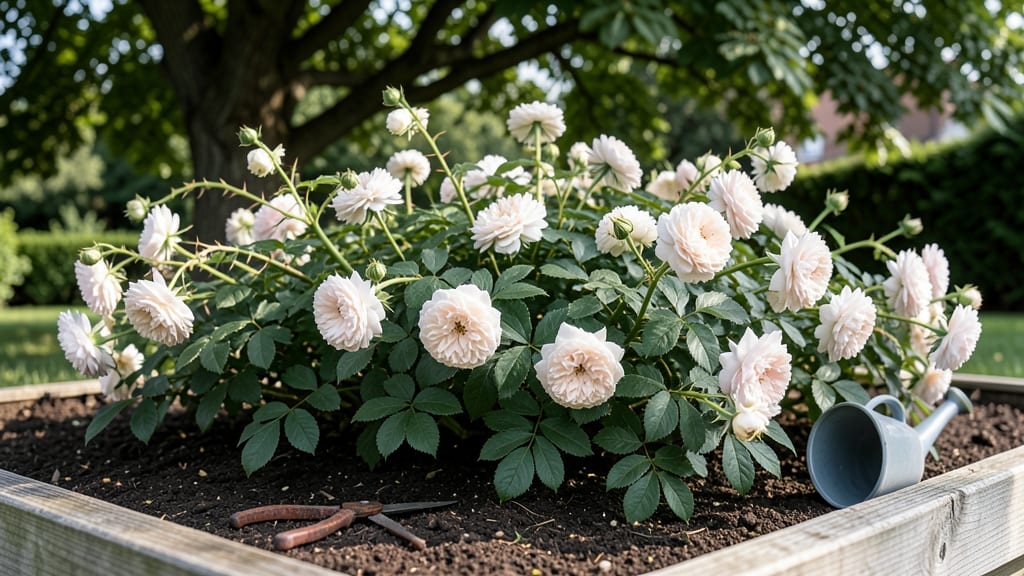
Your moss rose mix—where fragrant blooms and lush foliage become a year-round showstopper. 🌿 I’ve pruned these climbers for years, and the secret to their nonstop flowering isn’t complicated: it’s all about the right cuts at the right time, paired with the perfect growing conditions.
What starts as a single vine can become a fragrant, flower-covered wall with just a few intentional snips each season.
The magic happens when you combine bright, indirect light with well-draining soil and a pruning schedule that keeps energy flowing toward new growth. Most gardeners overlook how much pruning affects fragrance—aggressive cuts in late winter spark the most intense scent, while summer trims encourage bushier, fuller blooms.
Even in small spaces, these roses thrive when given a sturdy trellis or fence to climb.
By mastering this pruning blueprint, you’ll transform a single plant into a fragrant, flower-drenched vertical garden that blooms from spring until frost. The key is patience: each cut builds stronger stems, more buds, and a sweeter aroma. No more sparse, leggy climbers—just lush, fragrant beauty that keeps giving.
Whether you’re starting with a single cutting or reviving an overgrown plant, this method works for every skill level. The only tools you’ll need are sharp pruners, a little time, and the willingness to let your roses tell you what they need. Let’s get those blooms going!
📚 In This Guide
- What you need
- Instructions
- Tips and common mistakes
- Wrapping up and next steps
What you need
- ● Moss rose plants (Portulaca grandiflora) – Healthy, established plants with at least 3-4 stems (more = more blooms!).
- ● Pruning shears or sharp bypass pruners – Sterilized to prevent disease (rubbing alcohol wipe works!).
- ○ Rooting hormone (optional but recommended) – A gel or powder to boost cutting success (e.g., Clonex or Rootone).
- ● Well-draining potting mix – A blend of 50% perlite, 30% coco coir, and 20% compost (or a cactus/succulent mix).
- ● Small pots or trays (4-6 inches wide) – With drainage holes (4-6 cuttings per pot).
- ● Spray bottle with water – For misting cuttings gently.
- ● Clear plastic bag or propagator dome – To create a humid microclimate.
- ● Rubbing alcohol (70%+) – For sterilizing tools.
- ○ Gloves (optional) – Moss roses can be prickly!
- ● Label markers – To track varieties (e.g., "Pink Picotee," "Red Velvet").
- ● Hydrogen peroxide (3%) – Diluted (1:10 ratio) to clean cuts and prevent rot.
- ● Grow lights or sunny windowsill – Bright, indirect light (6+ hours/day) for propagation.
- ● Fertilizer (balanced 10-10-10 or seaweed extract) – Light feed after roots form (diluted to half-strength).
Step-by-step pruning blueprint for moss rose mix
Here’s how to keep your fragrant climber blooming all season long—no guesswork, just proven techniques.
✂️ Step 1: Prune After the First Big Bloom Flush
Wait until your moss rose has finished its first major bloom cycle—usually 6-8 weeks after planting. You’ll know it’s ready when the flowers start to fade and new growth slows. Grab your clean, sharp pruners and cut back the oldest stems by about one-third of their length. This forces the plant to focus energy on fresh, vigorous growth instead of maintaining tired branches.
Make cuts just above a leaf node or outward-facing bud. Avoid leaving stubs—always cut at a 45-degree angle about ¼ inch above the bud. I like to work in the morning when the plant is hydrated, so the cuts heal faster.
🌿 Step 2: Thin Out Crowded Stems for Better Airflow
After the first prune, assess the plant’s structure. Moss roses grow in a tangle if left unchecked, which invites disease and weakens blooms. Remove any stems that cross or rub against each other—these are prime spots for fungal infections. Aim to leave 3-5 strong, healthy stems per plant, cutting all the way back to the base if needed.
If your plant has leggy growth reaching outward, don’t hesitate to trim those too. You’ll see new shoots emerge from lower nodes within 2-3 weeks, and these will be bushier and more productive. Real talk: This step takes the most courage, but it’s what keeps your rose thriving.
☀️ Step 3: Deadhead Regularly for Nonstop Blooms
Once flowers start appearing again, make deadheading a weekly habit. Snip off spent blooms just above the next set of leaves or buds. This prevents the plant from wasting energy on seed production and redirects it to new flowers. I use small floral scissors for this because they’re precise and don’t crush stems.
Watch for clusters of buds forming—these are your plant’s promise of future blooms. If you notice any blackened or mushy stems, cut those out immediately to prevent rot from spreading. A healthy moss rose should have constant new buds forming throughout the growing season.
⏰ Step 4: Light Prune in Late Summer for Fall Prep
About 6-8 weeks before your first frost, give your moss rose a final light trim. Focus on removing any weak or leggy growth that won’t have time to harden off before winter. Cut back by about 10-15% of the plant’s height, leaving the strongest stems intact.
This late-season prune helps the plant store energy for next year’s growth. Avoid heavy cuts now—you don’t want to stress the plant before dormancy. After pruning, apply a 2-inch layer of mulch around the base to insulate roots and retain moisture.
🪴 Step 5: Winter Prune for Next Season’s Growth
In early spring, just as new growth begins to peek through, do a final prune. Cut back any dead or damaged stems to the base. For live stems, trim by about half their length, again cutting at a 45-degree angle above a bud. This encourages a full, bushy shape and prevents the plant from getting top-heavy.
Here’s the thing—spring is the most critical time for shaping your moss rose. If you skip this step, you’ll end up with a plant that’s all leggy growth and few blooms. After pruning, fertilize lightly with a balanced rose food to support the new flush of growth you’re about to encourage.
Tips & tricks for perfect moss rose pruning
These simple adjustments will transform your moss rose from a tangled mess into a blooming powerhouse—without the guesswork.
The Timing Secret: That 6-8 week mark after planting is your golden window for the first prune. I learned this the hard way after pruning too early and sacrificing potential blooms. Wait until you see the first flowers fading and new growth slowing—this signals the plant has finished its initial energy output. If you're in doubt, err on the side of waiting a few extra days.
Tool Technique: Your pruners are more important than you think. Always use clean, sharp pruners to make precise cuts. Dull blades tear stems and invite disease. I keep a small bottle of rubbing alcohol nearby to wipe down my pruners between cuts—this prevents cross-contamination. For the 45-degree angle cuts, visualize slicing a pie wedge just above the bud. This angle helps water run off and prevents rot.
Seasonal Strategy: The late summer light prune is often overlooked, but it's crucial for winter prep. That 6-8 week countdown to frost gives your plant time to recover before dormancy. I mark my calendar with the expected frost date and count backward—this ensures I don't miss this critical step. The 10-15% trim might seem minor, but it's about quality over quantity. You're not removing much, just the weakest growth that would otherwise drain the plant's reserves.
Visual Cues: When deadheading, look for the tiny green buds forming at the base of spent blooms—these are your plant's promise of future flowers. If you see blackened stems, cut those out immediately to prevent fungal spread. I always carry a small pair of floral scissors in my gardening apron for quick deadheading sessions. The key is consistency—even just 10 minutes of deadheading weekly makes a dramatic difference in bloom production.
Pro Tips for Mix Moss Rose
- These simple adjustments will transform your moss rose from a tangled mess into a blooming powerhouse—without the guesswork.
- The Timing Secret: That 6-8 week mark after planting is your golden window for the first prune.
- Tool Technique: Your pruners are more important than you think.
Frequently asked questions
Got questions about keeping your moss rose mix thriving and blooming like a pro? Here are some of the most common queries—and their answers—to help you master this fragrant climber!
When is the best time to prune my moss rose mix for maximum blooms?
Prune your moss rose mix after flowering in early spring (late February to March) or lightly trim leggy growth in late summer (August). Avoid heavy pruning in fall—this can stunt winter hardiness. For year-round blooms, give it a light haircut every 6-8 weeks to encourage new growth and flowers!
How much should I cut back my moss rose mix during pruning?
For established plants, aim to remove 1/3 of the oldest wood to stimulate fresh growth. Cut just above a leaf node (bud) at a 45-degree angle for better healing. If your plant looks overgrown but still blooming, a 25% trim is safer. Pro tip: Never prune more than 1/3 at once—this can shock the plant!
Can I propagate my moss rose mix from cuttings? If so, how?
Take 4-6 inch cuttings from healthy, non-flowering stems in spring or early summer. Remove lower leaves, dip in rooting hormone, and plant in a mix of perlite and peat moss. Keep the soil moist and in bright, indirect light until roots form (4-8 weeks). Humidity helps—cover with a plastic bag if needed!
Why aren’t my moss rose mix blooms lasting long, and how can I fix it?
Short-lived blooms often mean overcrowding, poor nutrition, or lack of sunlight. Thin out dense growth, fertilize with a balanced bloom booster (like 10-10-10) every 4-6 weeks, and ensure it gets 6+ hours of direct sun daily. Deadhead spent flowers too—this redirects energy to new blooms!
Is moss rose mix cold-hardy, and how do I protect it in winter?
Most moss rose mixes tolerate USDA Zones 8-11, but younger plants or colder climates need help. Mulch the base with 2-3 inches of straw or bark, and wrap the plant in burlap or frost cloth if temps drop below 20°F. In containers, move to a sheltered spot or indoor greenhouse. Pro tip: Prune lightly in fall to reduce winter stress!
Wrapping up and next steps
Mastering the mix moss rose pruning blueprint isn’t just about keeping your climber tidy—it’s your secret to nonstop, fragrant blooms that turn heads! 🌸 With the right tools, timing, and techniques, you’ll transform your garden into a lush, aromatic paradise.
Whether you’re trimming for shape, encouraging new growth, or reviving a struggling vine, confidence in the process is your best ally.
Ready to put your skills into action? Grab those shears, pick a sunny day, and give your moss rose the care it deserves. Watch it thrive—and enjoy those intoxicating blooms all season long! 🌿✨