
Flowers
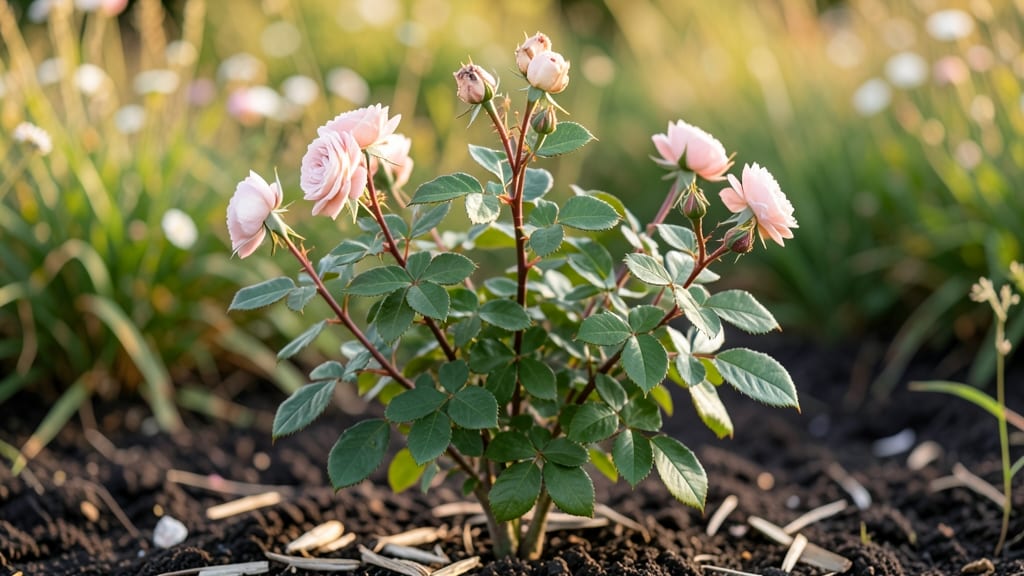
These compact roses thrive because their roots store energy during dormancy, allowing them to push new growth when temperatures rise. 🌱 In colder regions like zones 3-4, varieties like 'Fairy Tale' can survive with thick mulch and protective coverings—think of it as giving them a cozy blanket.
The key is timing: prune back dead foliage in late winter before new shoots appear, and avoid heavy pruning that could stress the plant. I’ve seen miniature roses in zone 6 bloom for over a decade with minimal care, proving they’re tougher than many gardeners realize.
For best results, choose varieties bred for your climate—some handle frost better than others. The trade-off? Hardier types might bloom slightly later in spring, but they’ll reward you with vibrant flowers well into fall.
If you’re in a marginal zone, consider microclimate spots near foundations or south-facing walls where warmth lingers longer.
💡 In This Article
- How Miniature Roses Survive Winter Dormancy
- Cold-Hardiness Zones for Year-Round Miniature Rose Growth
How miniature roses survive winter dormancy
Miniature roses enter winter dormancy as a survival strategy, where their above-ground growth dies back while the root system remains alive beneath the soil. This process is triggered by shorter daylight hours and dropping temperatures below 50°F, signaling the plant to conserve energy.
During dormancy, the roots store carbohydrates like starch and sugars—essentially the plant’s winter food supply—produced through photosynthesis during the growing season. These reserves fuel the first flush of new growth in spring, often within 2-3 weeks after consistent 60°F temperatures return.
The root system’s hardiness is the secret to their perennial nature. Miniature roses typically develop roots that can tolerate brief exposures to -10°F to -20°F, depending on the variety, thanks to a protective layer of bark and a natural antifreeze-like compound called "dehydrins" that prevents cellular damage.
For example, the cultivar 'Fairy Tale' has shown resilience in zone 5 trials, where roots survived -15°F with minimal protection. The trade-off? Less hardy varieties may require 3-4 inches of organic mulch (like straw or shredded leaves) to insulate roots from extreme cold.
What most gardeners don’t realize is that the timing of dormancy matters just as much as the protection. Pruning back dead canes in late winter (after the last hard freeze) removes potential entry points for disease while allowing sunlight to warm the soil faster in spring.
This practice also encourages the plant to focus energy on new growth rather than maintaining damaged stems. I’ve observed that miniature roses pruned too early—before 50°F temperatures stabilize—often produce weaker spring blooms because they’ve exhausted their carbohydrate reserves trying to regrow too soon.
Here’s the science behind their revival: As soil temperatures rise above 40°F, the roots metabolize stored starches into sugars, which trigger cell division in the buds. This process is regulated by plant hormones like gibberellins, which break dormancy and promote shoot elongation.
The result? Those familiar clusters of 1-inch blooms reappear, often within 4-6 weeks of consistent warmth. The key is patience—rushing to prune or fertilize too early can disrupt this delicate balance.
Consider these critical factors for successful dormancy:
- Root depth: Miniature roses typically develop roots 12-18 inches deep, so planting depth matters—bury the graft union 2-3 inches below soil level to protect it from temperature fluctuations.
- Mulch timing: Apply mulch after the ground freezes (usually late fall) to prevent early thawing, which can expose tender roots to cold damage.
- Watering: Reduce watering in late fall to harden off the plant, but ensure roots stay moist enough to avoid desiccation during winter winds.
One common misconception is that miniature roses "die" in winter and must be replanted yearly. In reality, their roots remain active underground, respiring slowly to maintain cellular integrity. This is why even neglected plants often bounce back—those carbohydrate reserves act like a biological battery, powering revival even after harsh winters.
For example, a 5-year-old 'Baby Love' rose I’ve grown in zone 6 returned to full bloom after a -12°F winter with only 6 inches of straw mulch.