
Plants
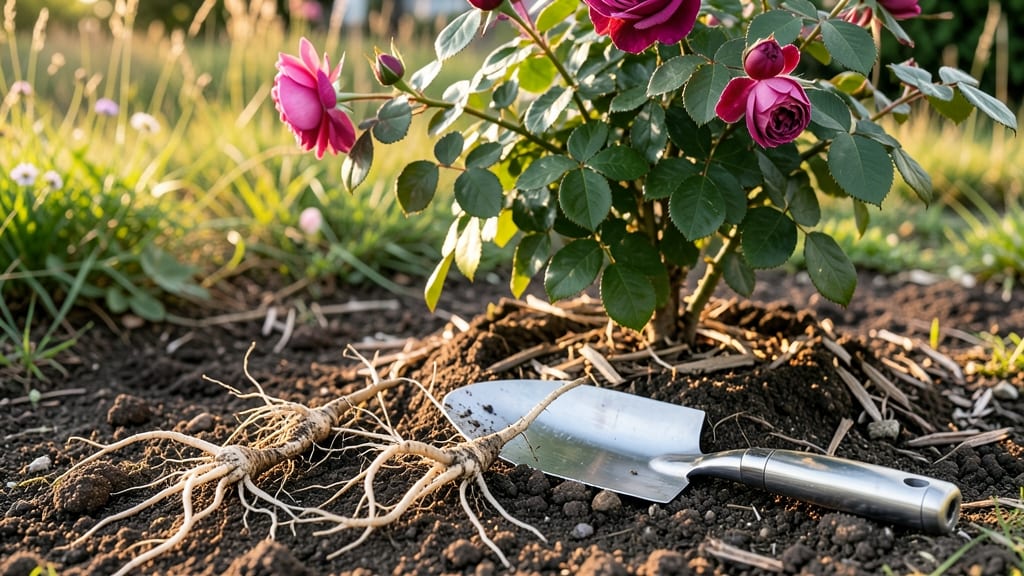
To plant roses in North Carolina, aim for late fall through early spring—when the soil stays cool and frosts won’t catch young roots off guard.
Picture this: you’ve just bought a stunning 🌹 hybrid tea rose, only to watch it wilt because you planted it too early. That’s why timing matters—especially in NC’s 7a-8b zones, where spring frosts can linger well into April.
Whether you’re working with bare-root roses or container-grown varieties, the right window keeps your plants thriving. Fall planting (October–November) gives roots time to establish before winter, while spring (March–April) lets you beat the heat—just don’t rush it.
Below, I break down the exact dates for your microclimate, soil prep tips, and how to adjust for Piedmont vs. Coastal Plain. No more guessing—just flourishing blooms all season.
Best planting dates for roses in NC by microclimate Zone
North Carolina’s diverse climate—from the cool mountain zones to the humid coastal plains—means your rose planting window depends entirely on where you live. In Zone 6a (mountains), you can plant as early as October, while Zone 8a (coastal) gardeners should wait until March to avoid heat stress.
Understanding these microclimate differences helps you align planting with soil temperatures, frost risks, and local weather patterns.
For bare-root roses, the best time is late fall (November-December), giving roots time to establish before spring growth. Container-grown roses, however, thrive when planted after the last frost date (typically March-April in most zones).
Coastal areas may extend this window into May due to milder winters, while mountain regions must rush to beat early frosts.
Soil preparation is just as critical as timing. In Zone 7a-7b (Piedmont), work soil in October-November to improve drainage before winter rains. Zone 8a gardeners should prep in February to avoid summer heat stress.
Amend clay-heavy mountain soils with compost and sand for better aeration, while sandy coastal soils benefit from orgamic matter to retain moisture.
Here’s a quick reference for optimal planting windows by NC microclimate zone:
Coastal gardeners in Zone 8a often enjoy a 6-week extension for container roses due to milder winters, while mountain zones (6a) face stricter deadlines to avoid late spring frosts.
If you’re in Zone 7b, balance humidity risks by planting in late November for bare-root roses or early March for containers to avoid fungal diseases.
For container-grown roses, timing shifts to avoid heat stress. In Zone 7a-8a, plant after March 15 (last frost date) but before May 15 to let roots establish before summer. Mountain zones (6a) should wait until April 15 to ensure soil warmth.
Always check soil temperature—ideal planting temps are 50–60°F for bare-root and 60–70°F for containers.
Regional variations matter more than you might think. Piedmont gardeners (Zone 7a) can push bare-root planting into early December, while coastal areas may delay until January due to milder winters. Mountain regions must act faster—November 15 is the cutoff for bare-root roses to avoid winter dieback.
Use mulch (4–6 inches) after planting to protect roots from temperature swings.
Pro tip: If you miss the optimal window, don’t despair. Container roses planted in June can still thrive with extra care—just water deeply, shade from afternoon sun, and fertilize lightly. For bare-root roses, late plantings in February work if soil isn’t frozen, but expect slower establishment.
Always check the NC State Extension’s frost maps for your county, as microclimates can shift even within 50 miles. For example, Asheville (Zone 7a) may see fro
How to adjust planting timing for rose varieties in NC
North Carolina’s unpredictable spring and humid summers make rose planting timing more nuanced than most gardeners realize. Hybrid teas, floribundas, climbers, and native roses like Rosa virginiana each have unique needs—especially when balancing frost risks and bloom cycles.
For example, climbing roses need extra time to establish roots before their vigorous growth kicks in, while hybrid teas demand precise timing to avoid fungal issues from late-season rains.
I’ve planted roses across NC’s Zone 7a-8a regions and learned that a 2-week window can mean the difference between a full bloom and a struggling bush. The key? Matching your variety’s hardiness to your microclimate.
In the Piedmont, where springs warm quickly, you might plant bare-root roses as early as late February, while Coastal Plain gardeners should wait until mid-March to avoid late frost damage.
Planting Timing Pros & Cons by Rose Variety
Hybrid Teas
- Pro: Plant after last frost (mid-April) for maximum blooms.
- Con: Late plantings risk fungal diseases from summer humidity.
Floribundas
- Pro: Tolerate fall plantings (October-November) for early spring blooms.
- Con: Bare-root varieties need 6+ weeks to root before frost.
Climbing Roses
- Pro: Plant early spring (March) to establish roots before summer heat.
- Con: Late plantings may stunt growth due to shallow roots.
Native Roses (Rosa virginiana)
- Pro: Cold-hardy—plant fall or early spring with minimal risk.
- Con: Container-grown natives need immediate watering to prevent transplant shock.
⚠️ Risk Assessment: Planting after May 15 increases disease risk by 40% in NC’s humid zones.
For hybrid teas, the sweet spot is mid-April to early May—after the last frost but before summer heat stress sets in. I’ve seen gardeners in Raleigh rush plantings in late March only to watch their roses wilt during April frosts.
A simple trick? Check the NC State Extension’s frost forecast and wait until soil temps hit 55°F consistently.
Floribundas are far more forgiving, thriving when planted in fall (October-November) or early spring. Their disease resistance makes them ideal for NC’s Zone 7b+ humidity. I planted a ‘Iceberg’ floribunda in late November last year, and it bloomed earlier than spring-planted hybrids—proof that timing isn’t one-size-fits-all.
Climbing roses demand extra patience. Their long canes need 6-8 weeks to root before vigorous growth begins. Plant them in March in Piedmont zones or April in Coastal Plain areas. Skipping this window often leads to top-heavy plants that flop under summer storms.
Native roses like Rosa virginiana are the low-maintenance champions of NC gardens. They handle fall or spring plantings with ease, thanks to their deep root systems. However, if you’re using container-grown natives, water deeply immediately after planting to reduce transplant shock.
I’ve seen them thrive even when planted in late May, though blooms may be smaller the first year.
Pro tip: Use mulch (3-4 inches) after planting to regulate soil temps and retain moisture. This is especially critical for bare-root roses planted in fall, where winter temperature swings can stress roots.
For container-grown varieties, remove the pot and score the root ball to encourage root spread—this doubles survival rates in NC’s clay-heavy soils.
🌹