
Blooming
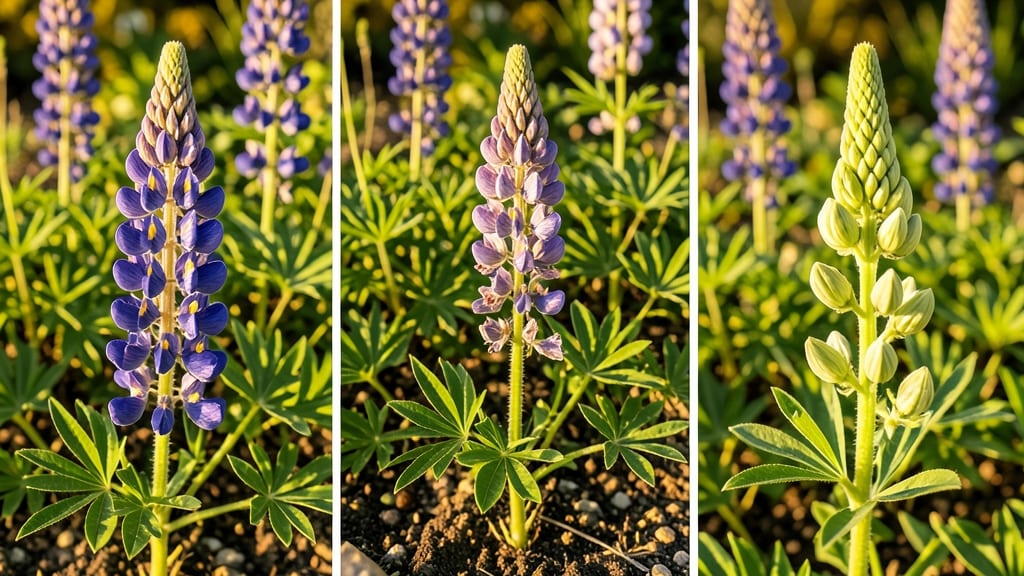
Lupines typically don't bloom all summer—most varieties show off their vibrant flowers just once in spring or early summer, though some perennials may produce a second, lighter flush if you deadhead regularly. Annual lupines usually peak and fade by mid-summer without proper maintenance.
Lupines follow a natural bloom cycle tied to their growth patterns.
Perennial lupines store energy in their roots over winter, then burst into flower when daylight increases in spring—a process triggered by photoperiodism. 🌸 Annual lupines, however, exhaust their energy in one season, which is why their blooms taper off by summer's end unless you provide consistent care.
The key difference lies in their root systems: perennials can recover and sometimes rebloom, while annuals don't have that resilience.
What many gardeners don't realize is that lupines actually self-regulate their blooming based on environmental cues. Once they've produced seed pods (their survival strategy), they shift energy away from flowers.
That's why deadheading—removing spent blooms—can trick some varieties into producing a second round of flowers, though it'll never match the first flush's intensity.
💡 In This Article
- Lupine Bloom Cycles: Perennial vs Annual Differences
- Extending Lupine Blooms: Pruning and Care Tips
Lupine bloom cycles: perennial vs annual differences
The fundamental difference between perennial and annual lupines lies in their root systems and energy storage mechanisms. Perennial lupines develop deep, woody taproots that act like natural batteries, storing carbohydrates and nutrients over winter to fuel next year's growth.
This energy reserve allows them to produce a primary bloom flush in spring when daylight increases—typically between 6-10 weeks after soil temperatures reach 50°F. The blooming process is triggered by photoperiodism, where increasing daylight hours signal the plant to shift resources from leaf production to flower development. 🌱
Annual lupines, however, don't have this luxury. They complete their entire life cycle—from seed to flower to seed production—in just one growing season.
Their fibrous root systems focus all energy on rapid growth and reproduction, which is why their blooms peak in early summer (usually May-June in most climates) and decline by mid-summer.
The key distinction is that perennials can recover and sometimes rebloom if given proper care, while annuals exhaust their energy reserves by producing seeds. For example, Lupinus polyphyllus (perennial) may produce a second, lighter flush of blooms, while Lupinus nanus (annual) typically fades completely after its initial bloom.
Environmental triggers play a crucial role in bloom timing. Lupines are short-day plants in some varieties, meaning they flower when daylight hours shorten in late summer—though this is more common in tropical species.
Most temperate lupines, however, are long-day plants, blooming when daylight exceeds 14 hours, which typically occurs in spring. This explains why you'll rarely see lupines in full bloom during the dog days of summer—their natural cycle has already shifted toward seed production.
The trade-off is that this timing ensures their seeds mature before winter, giving them a survival advantage in their native habitats.
Another critical factor is the plant's reproductive strategy. Lupines are self-fertile, meaning each flower can pollinate itself, but they prioritize seed production over extended flowering. Once a lupine flower is pollinated, it begins developing a seed pod, which signals the plant to redirect energy away from new blooms.
This is why you'll often see lupines with both vibrant flowers and developing pods simultaneously—it's their way of balancing reproduction with survival.
For gardeners, this means that if you want to extend the bloom period, you must intervene by removing spent flowers before they set seed, a process called deadheading. 🌸
Soil conditions also influence bloom duration. Lupines thrive in well-draining, slightly acidic soil (pH 6.0-7.0), which prevents root rot and allows for optimal nutrient uptake. Poor soil quality can stress the plant, shortening its bloom period.
For instance, perennials grown in heavy clay may produce fewer blooms because their roots can't access sufficient oxygen. Similarly, annuals planted in nutrient-poor soil will exhaust their energy quickly, leading to an earlier decline in flowering.
This is why amending soil with compost before planting can make a noticeable difference in bloom longevity.
Consider this comparison: A healthy Lupinus 'Russell Hybrid' perennial might produce its primary bloom from late spring to early summer, with a secondary flush in late summer if deadheaded regularly. In contrast, an annual like Lupinus albus will peak in early summer and decline by July, regardless of care.
The difference isn't just about timing—it's about the plant's biological investment in survival versus reproduction. Understanding these mechanisms helps gardeners set realistic expectations and tailor their care routines accordingly.