
Blooming
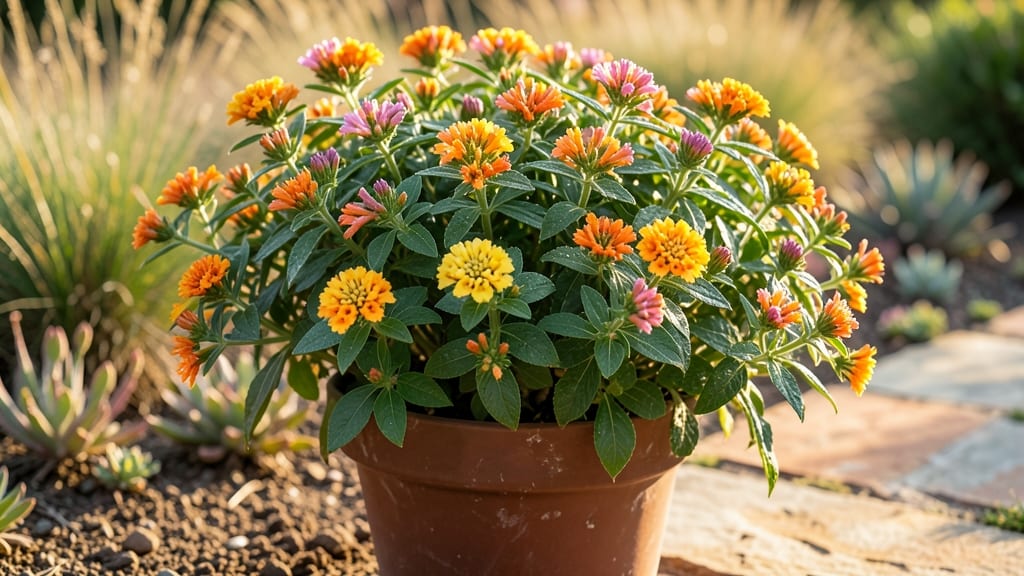
Lantana blooms continuously all summer—typically from late spring through fall—when planted in full sun and well-drained soil. Proper pruning, consistent watering, and deadheading spent flowers extend its vibrant flowering season year-round in warm climates.
This nonstop flowering happens because lantana responds to consistent warmth and sunlight by producing new blooms faster than old ones fade. 🌸 In my experience, the key is mimicking its natural tropical environment—lantana thrives when soil stays slightly dry between waterings and never gets waterlogged.
The right balance of care turns what could be a 6-month bloom cycle into a year-round display in frost-free zones.
What sets lantana apart is its ability to rebloom from old wood, unlike many shrubs that only flower on new growth. This means even established plants keep producing flowers if you maintain their health.
I've seen lantana in Zone 9+ gardens with colorful blooms from March through November, proving it lives up to its reputation as a summer-long superstar.
💡 In This Article
- Lantana Flowering Seasons by Climate Zone
- Pro Tips to Keep Lantana Blooming Nonstop
Lantana flowering seasons by climate Zone
Lantana's flowering timeline shifts dramatically based on USDA hardiness zones. In Zones 9-11, where frost never occurs, lantana blooms nearly year-round—typically from February through November—with peak intensity during summer months when temperatures stay above 70°F.
The plant's natural tropical origins mean it thrives in these warm climates, producing flowers continuously as long as conditions remain stable. 🌞
For gardeners in Zones 7-8, expect a more defined summer bloom cycle from late May through September, with occasional blooms extending into early October if fall temperatures stay mild. The key trigger here is nighttime temperatures—lantana needs them to remain above 55°F to keep flowering.
When frost arrives (usually by November), the plant goes dormant, dropping most of its leaves and flowers until spring warmth returns.
In colder Zones 6 and below, lantana behaves more like an annual, with a concentrated bloom period from June through August.
The plant may produce some flowers in early spring if temperatures rise quickly, but consistent blooming only occurs when daytime highs reach 80°F+ for at least 3-4 weeks. These northern lantana varieties often need winter protection or must be replanted annually to maintain their flowering potential.
The transition between seasons creates lantana's most dramatic color shifts. In spring, buds form when soil temperatures reach 60°F, with flowers opening within 7-10 days. Summer's continuous blooming happens because each flower cluster lasts only 10-14 days before new buds form—creating the illusion of nonstop color.
Fall blooming continues until temperatures drop below 50°F at night, when the plant conserves energy for winter survival.
What's fascinating is how lantana adapts to seasonal light changes. In summer, the plant responds to 14+ hours of daylight by producing more flowers, while in winter (even in warm zones), shorter days trigger a natural slowdown.
This photoperiod sensitivity explains why lantana in Zone 10 might have a slight bloom lull in December—it's not dying back, just conserving energy during the shortest days of the year.
For gardeners in transitional zones (Zones 8-9), the secret to extending the season lies in protecting plants from early frosts. A simple lightweight frost cloth can preserve blooms until November 15 in many areas, while mulching with 2-3 inches of straw helps maintain soil warmth for late-season flowers.
This protection turns what could be a 3-month bloom period into a 5-month display.