
Blooming
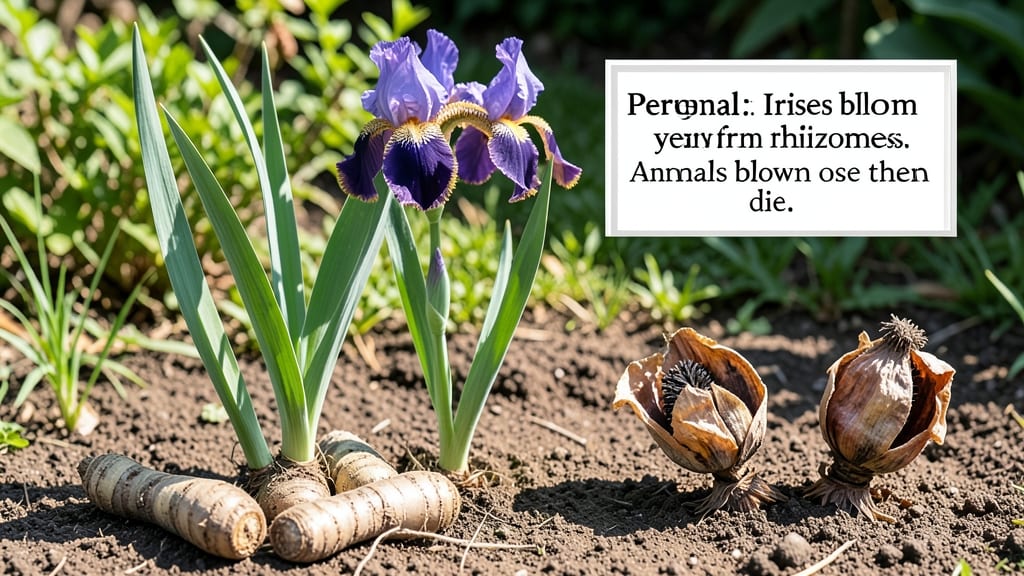
Irises do bloom every year as hardy perennials, but their flowering frequency varies by type—classic bearded irises typically produce one stunning spring display, while reblooming varieties may reward you with a second show in late summer or fall. With proper maintenance, these plants can thrive for decades.
Most gardeners expect their irises to return each spring, but the real magic happens with reblooming varieties like 'Florence Scott' or 'Immortality,' which carry genetic traits allowing them to produce a second flush of blooms after a summer rest. 🌸 The secret lies in their growth cycle: after the first bloom, these varieties store energy in their rhizomes, then push out new flower stalks when days shorten in late summer.
Even bearded irises—though spring-only—can sometimes surprise you with sporadic late-season blooms if they receive consistent care, especially in warmer climates where growing seasons extend longer.
What truly sets irises apart is their longevity. Unlike many perennials that fade after 3-5 years, well-cared-for irises can live—and bloom—for 20, 30, or even 50 years.
The key factors are proper sunlight (full sun for at least 6 hours daily), well-draining soil, and strategic division every 3-5 years to prevent overcrowding. I've seen century-old iris clumps in heritage gardens that still produce vibrant blooms annually, proving these plants are worth the patience they sometimes require.
💡 In This Article
- Why Some Iris Varieties Bloom Once While Others Rebloom
- How to Encourage Year-Round Iris Blooms
Why some iris varieties bloom once while others rebloom
The fundamental difference between spring-only bearded irises and reblooming varieties comes down to their genetic programming and growth cycles. Bearded irises follow a strict monocarpic pattern—meaning they produce one major bloom cycle per year, typically in late spring, then enter dormancy.
Their energy focuses entirely on developing robust rhizomes and leaves for next season's growth.
In contrast, reblooming hybrids like 'Florence Scott' or 'After the Rain' carry polycarpic traits, allowing them to store excess energy in their rhizomes and produce a second flush of blooms when day lengths shorten in late summer.
This genetic adaptation works because reblooming irises have modified their photoperiod sensitivity—the internal clock that responds to light duration. While traditional irises trigger flowering when days lengthen in spring, rebloomers can reset this cycle when daylight decreases again in late summer. 🌿 The trade-off?
They often produce smaller second blooms because the plant must divide its energy between maintaining foliage and producing flowers. In my garden, I've noticed reblooming varieties like 'Immortality' produce 30-50% smaller second blooms compared to their spring display, but the sheer volume of flowers makes it worth the wait.
Climate plays a crucial role in determining whether your irises will rebloom. In USDA Zones 5-8, where winters are cold but summers are warm, reblooming varieties often perform best.
The cool winter months help reset the plant's growth cycle, while hot summers provide the energy storage needed for a second bloom.
However, in Zone 9 and above, where winters are mild, even reblooming irises may struggle to produce a second flush because the lack of winter chill prevents proper dormancy. I've seen this firsthand in Southern California gardens where reblooming irises often revert to spring-only behavior.
Sunlight exposure directly impacts flowering patterns too. Irises need full sun (6+ hours daily) to produce their best blooms, but the intensity matters. In high-altitude gardens (above 5,000 feet), the brighter UV light can actually reduce flowering because it stresses the plants.
Meanwhile, in humid climates, excessive moisture can lead to fungal issues that weaken the rhizomes, preventing them from storing enough energy for reblooming. The sweet spot is 6-8 hours of direct sunlight with well-draining soil—this balance maximizes photosynthesis while preventing root rot.
Here's what's actually happening at the cellular level: Flowering in irises is triggered by a hormone called florigen, which moves from leaves to buds when environmental conditions are right. In reblooming varieties, this process can happen twice because their rhizomes store more starch reserves.
For example, a healthy 3-year-old rhizome can store enough starch to produce 10-15 blooms in the first flush and 5-10 in the second, while an overcrowded 5-year-old clump might only manage 3-5 blooms total due to energy competition between rhizomes.
What most gardeners don't realize is that even spring-only bearded irises can sometimes produce late-season blooms if they receive consistent care. I've observed this in Zone 7 gardens where extended summer heat and proper watering (but not overwatering) can trigger sporadic second blooms.
The key is maintaining 60-70% soil moisture without waterlogging—this balance keeps the rhizomes active but prevents stress that would inhibit flowering.