
Blooming
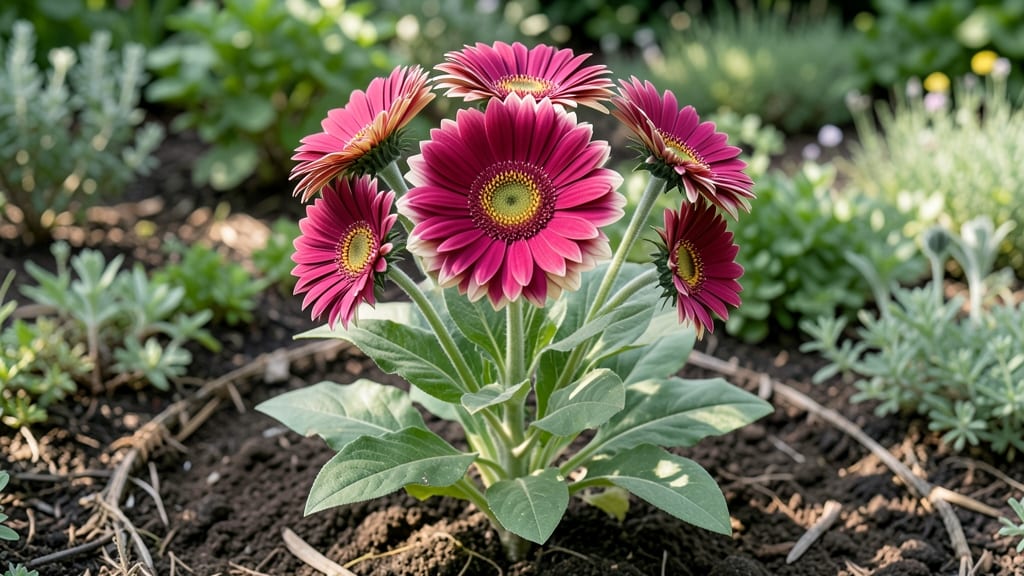
Daisies don't bloom all summer continuously—they flower in cycles, with most varieties producing blooms from early summer through fall in waves that last 4-8 weeks. Perennial types like Shasta daisies may rebloom seasonally, while annuals like Gerbera daisies wilt faster without regular deadheading.
Most people assume daisies keep blooming once summer starts, but their flowering patterns depend on daylight exposure and temperature triggers. 🌸 For example, Shasta daisies often produce their first flush of flowers in late spring, then take a break before reblooming in late summer—this natural cycle is tied to their internal clock.
Annual varieties like Gerbera daisies may last longer if you remove spent blooms weekly, but even they can't maintain continuous flowering without proper care.
What really makes a difference is how you maintain them. Deadheading (snipping off faded blooms) signals the plant to produce more flowers, while balanced fertilizers (low in nitrogen) encourage blooming rather than leafy growth.
I've seen daisies in my garden extend their season by up to 6 weeks just by following these simple steps—it's all about working with their natural rhythms.
💡 In This Article
- Daisy Bloom Cycles by Variety and Seasonal Triggers
- Extending Daisy Blooms: Pruning, Fertilizing, and Soil Tips
Daisy bloom cycles by variety and seasonal triggers
Daisies bloom in response to specific environmental cues, primarily daylight hours and temperature thresholds. Most varieties follow a photoperiodic pattern—meaning they respond to changes in daylight length.
For example, Shasta daisies often begin blooming when days start lengthening in late spring, then produce a second flush of flowers in late summer when daylight begins shortening again. This explains why you might see them bloom heavily in June, then take a break in July before returning in September.
The science behind this involves a plant hormone called florigen, which triggers flowering when daylight conditions meet the plant's genetic requirements.
Annual daisies like Gerbera daisies typically bloom continuously from spring to fall, but their lifespan is shorter—about 6-12 months—unless you're in a warm climate where they can extend into winter. Perennial varieties, however, have built-in resting periods to conserve energy for multiple blooming seasons.
For instance, Gerbera daisies thrive in 60-75°F temperatures and wilt if exposed to frost or extreme heat above 85°F.
What most gardeners don't realize is how soil temperature affects root activity. Daisy roots need to stay above 55°F to actively produce flowers. If your soil stays cooler (common in early spring or late fall), the plants may focus energy on root growth rather than blooming.
This is why daisies often bloom more vigorously in USDA Zones 5-9, where summer soil temperatures consistently stay warm enough for continuous flowering.
Here's how different varieties compare:
- Shasta Daisies: Bloom in late spring (May-June) and late summer (August-September), with a 4-6 week peak each cycle. They require 6-8 hours of sunlight daily and well-draining soil to avoid fungal issues.
- Gerbera Daisies: Flower continuously from spring to fall (March-November) but need full sun (6+ hours) and consistent moisture. Without deadheading, their blooms last only 7-10 days before wilting.
- Oxeye Daisies: Produce one long bloom period from June to August, then go dormant until the following year. They're hardy in USDA Zones 3-8 and tolerate cooler temperatures better than tropical varieties.
Deadheading—removing spent blooms—can extend flowering by up to 3-4 weeks in annuals and trigger reblooming in perennials. The key is to cut back to the first set of healthy leaves rather than the bare stem, which encourages new growth.
I've seen Gerbera daisies in containers last nearly 5 months with weekly deadheading compared to just 8 weeks without it.
One common misconception is that all daisies bloom at the same time. In reality, their cycles are staggered—this is why a mixed daisy border often looks fuller than a single-variety planting.
For example, planting Shasta daisies (late spring bloomers) alongside Gerbera daisies (summer-fall bloomers) creates a continuous display from May to October.