
Blooming
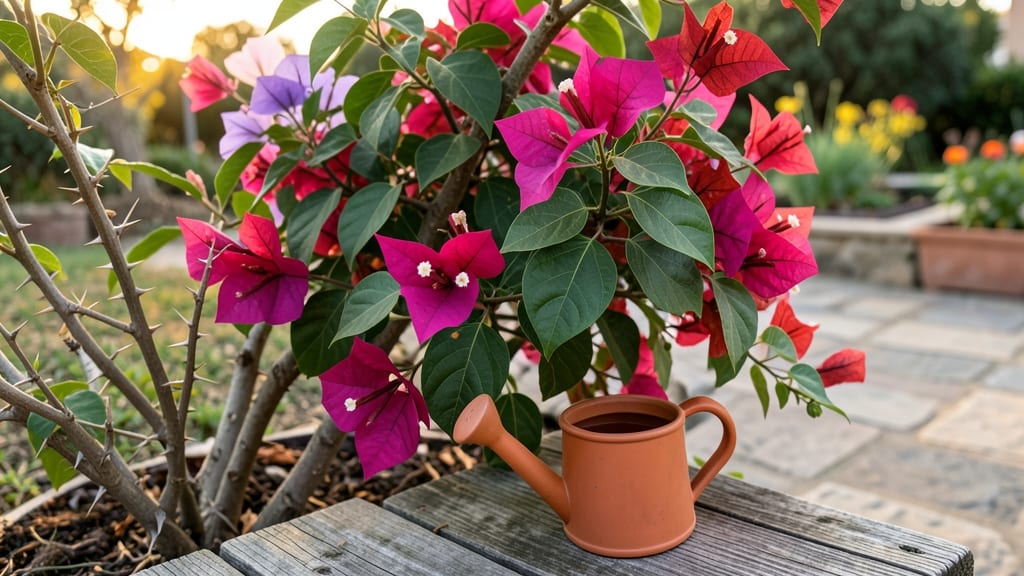
Bougainvillea blooms year-round in tropical climates where temperatures stay consistently warm, but most types slow down or stop flowering in cooler seasons or during dry spells. Balancing sunlight exposure, watering, and seasonal pruning helps maintain vibrant blooms longer.
This tropical plant thrives when daytime temperatures stay between 60°F and 100°F, with bright, direct sunlight being its fuel for continuous blooming. 🌺 In cooler climates, bougainvillea often enters a dormant phase, dropping leaves and flowers until warmth returns.
Even in ideal conditions, drought or improper care can trigger temporary shutdowns—so consistent moisture and occasional fertilizer boosts (like a high-phosphorus blend) make all the difference.
For gardeners in temperate zones, selecting cold-hardy varieties or using protective measures (like moving potted plants indoors) can extend the blooming window. Pruning in late winter also encourages new growth when spring arrives, giving you a head start on that vibrant display.
💡 In This Article
- Climate and Heat Requirements for Nonstop Bougainvillea Blooms
- Tips to Extend Bougainvillea Flowering Beyond Seasons
Climate and heat requirements for nonstop bougainvillea blooms
Bougainvillea's flowering mechanism is directly tied to its tropical origins, where temperatures between 60°F and 100°F trigger continuous blooming. This range aligns with its natural habitat in South America, where consistent warmth stimulates the plant's hormonal response—specifically, the production of ethylene, a gas that promotes flowering.
When temperatures dip below 50°F, the plant enters a survival mode, conserving energy by dropping leaves and flowers to focus on root growth. 🌡️
The plant requires at least 6-8 hours of direct sunlight daily to maintain blooming, as photosynthesis fuels its energy needs. Humidity also plays a role—ideal levels between 40-60% help prevent stress, while dry conditions below 30% can trigger bud drop.
In tropical zones, bougainvillea often blooms continuously because these conditions are met year-round, while temperate climates experience natural seasonal slowdowns when daylight shortens and temperatures fall.
Daylight hours matter too: bougainvillea responds to long days (12+ hours of light) by producing more flowers. This explains why indoor plants often struggle—most homes don't replicate natural sunlight intensity. Growers in cooler regions sometimes use grow lights to extend daylight during winter months, which can stimulate additional blooming.
The key is mimicking the plant's native environment as closely as possible. 🌿
Even in ideal climates, drought stress can halt flowering. Bougainvillea stores water in its thick stems, but prolonged dry spells force it to prioritize survival over blooms. This is why consistent watering (keeping soil slightly moist but not soggy) is crucial—especially during hot months when evaporation rates climb.
The plant's roots are shallow, so moisture must be available near the surface to support continuous flowering.
Variety also affects blooming patterns. Tropical hybrids like 'San Diego Red' thrive year-round in warm climates, while cold-hardy types such as 'California Gold' may experience brief dormancy but recover quickly with proper care.
The difference lies in their genetic adaptations—some bougainvillea species have evolved to tolerate brief cold snaps, making them better suited for extended blooming in marginal climates. 🌺
For gardeners in cooler zones, understanding these triggers helps set realistic expectations. While year-round blooms are possible in tropical conditions, most varieties will naturally slow down when temperatures drop or daylight shortens.
The good news? With strategic care—like choosing the right variety, providing supplemental light, and maintaining consistent moisture—you can maximize blooming windows even outside the plant's natural range. ✨