Blooming
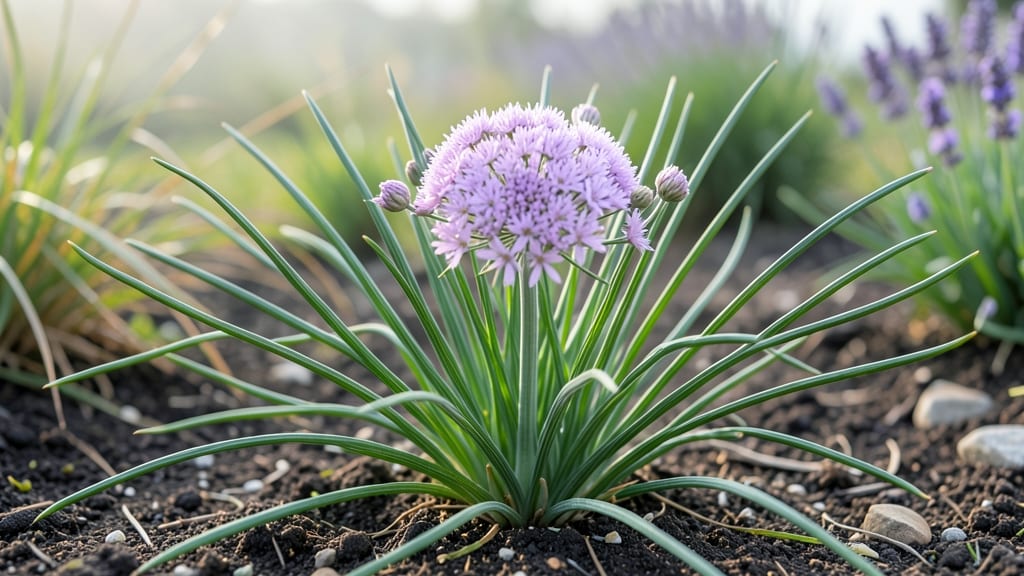
Alliums do not bloom all summer—most varieties produce flowers just once per season, typically in spring or early summer. Only certain perennial types like ornamental onions may show sporadic reblooming under perfect growing conditions, and even then, it's usually minimal.
Alliums follow a strict seasonal blooming pattern tied to their natural energy cycles. 🌱 Most varieties—like chives or garlic chives—allocate all their resources to a single spring or early summer bloom, then focus on bulb or foliage growth.
Perennial alliums, such as Allium schubertii, might produce a few extra flowers later in the season if given ideal care, but this isn't guaranteed. The key factors are soil fertility, consistent moisture, and proper sunlight exposure, which help sustain the plant through its dormant phases.
For gardeners hoping to extend the blooming window, focus on post-bloom care—removing spent flower stalks encourages the plant to redirect energy toward next year's growth. Some varieties, like Allium giganteum, are more likely to rebloom if you fertilize lightly after the first flush and maintain well-draining soil.
However, even with perfect conditions, don't expect a continuous summer display—most alliums prioritize survival over prolonged flowering.
💡 In This Article
- Why Most Alliums Bloom Once Per Year
- How to Encourage Allium Reblooming in Perennial Varieties
Why most alliums bloom once per year
The blooming cycle of alliums is hardwired into their biology as an energy conservation strategy. These plants store nutrients in their bulbs, which act like biological batteries. When spring arrives, they redirect all available energy into producing flowers, seeds, and new foliage—essentially betting everything on one reproductive cycle per year.
This is why you typically see alliums like Allium cepa (common onion) or Allium sativum (garlic) bloom just once, often between late spring and early summer when daylight hours are increasing and temperatures are moderate. 🌸
Perennial alliums have slightly more flexibility because they've evolved to survive multiple growing seasons, but their blooming is still tightly regulated by photoperiodism—the plant's response to changing daylight lengths. Most varieties need 12-16 hours of daylight to trigger flowering, which naturally occurs in spring.
After blooming, the plant enters a recovery phase where it rebuilds bulb reserves for next year, making summer blooming energetically unsustainable. Even ornamental types like Allium cristophii (purple sensation allium) prioritize bulb development over continuous flowering.
Temperature plays a crucial role too. Alliums typically require 50-65°F soil temperatures to initiate growth in early spring, with ideal blooming occurring when daytime highs reach 70-75°F. Summer heat above 85°F often stresses alliums, causing them to enter dormancy or focus solely on bulb maturation rather than flowering.
This is why you rarely see alliums blooming in midsummer—their biological clock is set to conserve energy for survival through winter.
There's also a trade-off between bulb size and flowering. Larger bulbs store more energy, which means they can produce bigger, more abundant flower stalks—but this comes at the cost of delayed blooming.
For example, Allium giganteum (giant allium) may take 2-3 years to reach full bloom size because it's prioritizing bulb expansion over immediate reproduction. This biological priority explains why even well-cared-for alliums rarely produce multiple flushes of flowers in a single season.
The exceptions to this rule are typically ornamental alliums bred for garden performance, like Allium schubertii (drumstick allium) or Allium senescens (lambs' ears allium).
These varieties might produce secondary blooms later in the season if given perfect growing conditions—think well-draining soil, regular but not excessive watering, and full sun exposure (6+ hours daily). However, these are the exceptions that prove the rule rather than the norm.
What most gardeners don't realize is that alliums actually produce more flowers than they can support. Each bulb contains multiple flower buds, but the plant typically only develops 1-3 main stalks per season. The rest remain dormant until next year's growing cycle.
This is nature's way of ensuring survival—putting all eggs in one basket (or one bloom) increases the chances of successful reproduction, even if it means sacrificing continuous summer color. 🌿