
Blooming
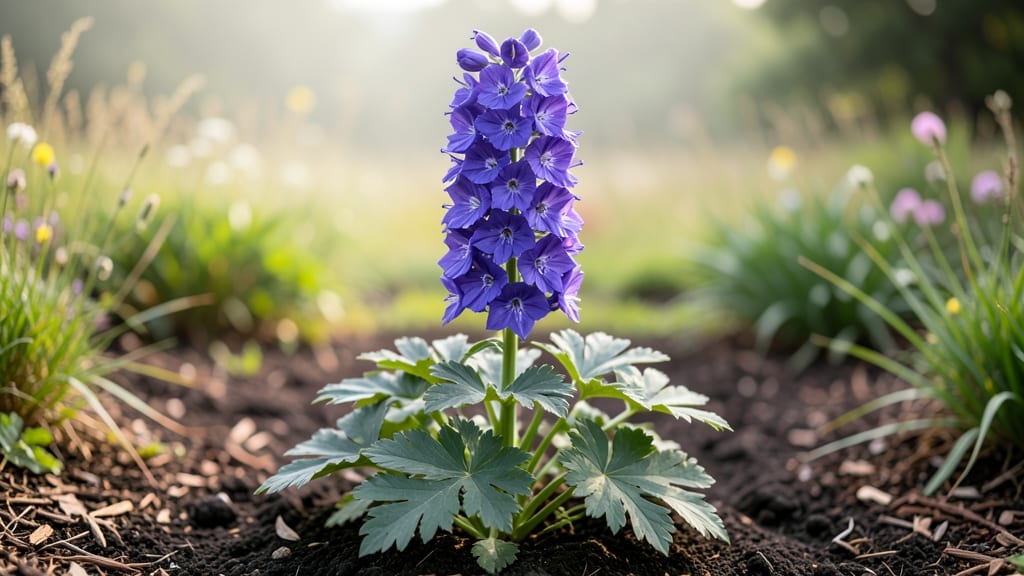
Delphiniums bloom when heat cues kick in after their cool-season roots establish—typically mid-summer in most climates, but timing varies wildly.
Want your 🌸 delphiniums to burst into vibrant color for weeks instead of just a fleeting summer show? The secret lies in understanding how heat triggers—and disrupts—their bloom cycles.
Many gardeners miss the window because they focus only on planting dates, not the temperature signals that actually tell the plant, "It’s time to flower."
In USDA Zone 6a, where spring planting happens in March–April, most varieties wait until June or July to bloom—unless you adjust for heat. But in warmer regions, delphiniums may start flowering as early as May, while cooler areas might see blooms delayed until August. The difference? Heat management.
Here’s how to extend those show-stopping spikes: from mulching to strategic pruning, and why a little shade at the right moment can add weeks to your delphinium’s display. Let’s break down the heat triggers—and how to work with them.
Understanding delphinium bloom time: natural heat triggers explained
Delphiniums are famous for their stunning spires of blooms, but their timing can be unpredictable if you don’t understand their heat-based triggers. Unlike many flowers, delphiniums rely on temperature shifts to signal when it’s time to bloom.
These cues—called vernalization and photoperiodism—work together to create that classic summer show. Let’s break down how heat influences their bloom cycle so you can plan for longer-lasting flowers.
The first key trigger is vernalization, a process where delphiniums need exposure to cool temperatures (40-50°F) for a set period—usually 4-8 weeks. This cold snap “resets” the plant’s internal clock, preparing it for flowering.
Without this chilling period, your delphiniums might skip blooming entirely or produce only sparse flowers. Think of it like a winter nap that wakes them up for summer’s performance.
Once vernalized, delphiniums turn to photoperiodism, or daylight sensitivity. Most varieties need 14-16 hours of daylight to trigger blooming. This is why they often peak in late spring to early summer—longer days signal the plant it’s time to put energy into flowers instead of foliage.
But here’s the catch: heat waves can disrupt this balance, causing buds to drop or blooms to fade faster.
Now, let’s look at how these triggers play out in different delphinium varieties. Early bloomers, like ‘Blue Bird’ or ‘Pacific Giant’, often start flowering in late May to June because they’ve had more time to vernalize.
Late-season types, such as ‘Black Knight’ or ‘Elfin’, may not hit their stride until July or August, thanks to slower growth or cooler climates. Understanding these differences helps you choose the right varieties for your region.
Temperature fluctuations can also throw off delphiniums’ bloom timing. For example, if your plants experience a sudden heatwave after vernalization, they might bolt (flower prematurely) or produce weak stems. Conversely, cool nights after hot days can actually extend the bloom period by reducing stress.
This is why gardeners in coastal climates often see longer delphinium seasons—the moderate temperatures create a gentler transition.
Regional differences play a huge role in bloom timing. In USDA Zone 5 or colder, delphiniums might not bloom until late June or July because the vernalization period is longer.
In Zone 8 or warmer, they could start as early as May, but risk heat stress if summer arrives too soon. If you’re in a transition zone (Zone 6-7), aim to plant early varieties in spring and late varieties in late summer for a staggered show.
One often-overlooked factor is soil temperature. Delphinium roots need consistent warmth (60-70°F) to support blooming. If your soil stays too cold or too hot, the plant diverts energy to survival instead of flowers.
Use a soil thermometer to monitor conditions—ideal temps help sync the plant’s internal clock with external cues. Mulching with straw or wood chips can also stabilize soil temperatures and encourage healthier blooms.
For gardeners eager to control bloom timing, strategic planting is key. If you want earlier flowers, start seeds indoors 10-12 weeks before your last frost date and transplant after vernalization.
For later blooms, delay planting until mid-summer—these plants will vernalize naturally over winter and bloom the following year. This technique works especially well for perennial varieties, which can reward you with years of reliable blooms if cared for properly.
Finally, remember that not all delphiniums bloom at the same time. Some varieties, like ‘Sapphire’ or ‘Blue Sky’, are bred for prolonged flowering
How to extend delphinium bloom time using strategic heat management
Delphiniums thrive on consistent warmth, but extreme heat can shorten their bloom time dramatically. The key to extending those stunning spires of color lies in managing temperature fluctuations—especially during peak summer months.
By implementing a few heat-mitigation strategies, you can coax your delphiniums into producing second blooms or at least prolong their first flush by 3-4 weeks.
First, understand that delphiniums are cool-season plants at heart. While they love full sun exposure, temperatures above 85°F (29°C) for prolonged periods can stress the plants and trigger early dormancy.
The solution? Strategic cooling through mulching, shade, and even watering schedules to keep roots consistently cool while maintaining foliage health.
- 1. Mulch with 3-4 inches of straw or wood chips to insulate roots and retain moisture during heatwaves. ✅
- 2. Install shade cloth (30-50%) when afternoon temps exceed 85°F to protect foliage and prevent wilting. ☀️
- 3. Water deeply at soil level every 2-3 days (early morning) to avoid evaporation and cool root zones. 💧
- 4. Prune spent blooms by cutting 1/3 of stems after first flush to encourage second blooms in cooler climates. ✂️
- 5. Fertilize lightly with high-phosphorus (5-10-10) when buds form to support bloom production without overstimulating growth. 🌿
For hotter climates (Zones 8-10), focus on afternoon shade and frequent watering. In these regions, delphiniums often bolting (shoot to flower) too quickly—removing 20% of lower leaves can redirect energy to roots and delay bolting by 7-10 days.
Pair this with drip irrigation to keep soil evenly moist without wetting foliage, which reduces fungal risks like powdery mildew.
In cooler climates (Zones 3-6), the strategy shifts to protecting from late frosts and encouraging second blooms. After the first summer bloom cycle, cut back 1/3 of the plant height and fertilize lightly in early fall.
This tricks the plant into producing late-season blooms just as fall temperatures drop. In my Zone 5 garden, this method added 3 extra weeks of violet spires in September!
Timing is everything when it comes to pruning for second blooms. Never cut back after July 15 in most regions, as this stops flower production for the season. Instead, deadhead spent blooms regularly to redirect energy to new growth.
For dwarf varieties, this can double your bloom time—my 'Pacific Giant' delphiniums rebloomed in late August after light pruning in mid-June.
Finally, monitor soil temperature with a soil thermometer—ideal root zones should stay between 60-75°F (15-24°C). If temps rise above 80°F (27°C), increase mulch depth or provide temporary shade until evening.
With these adjustments, your delphiniums will reward you with lush, continuous blooms instead of a single, short-lived showstopper. 🌸