
Advice
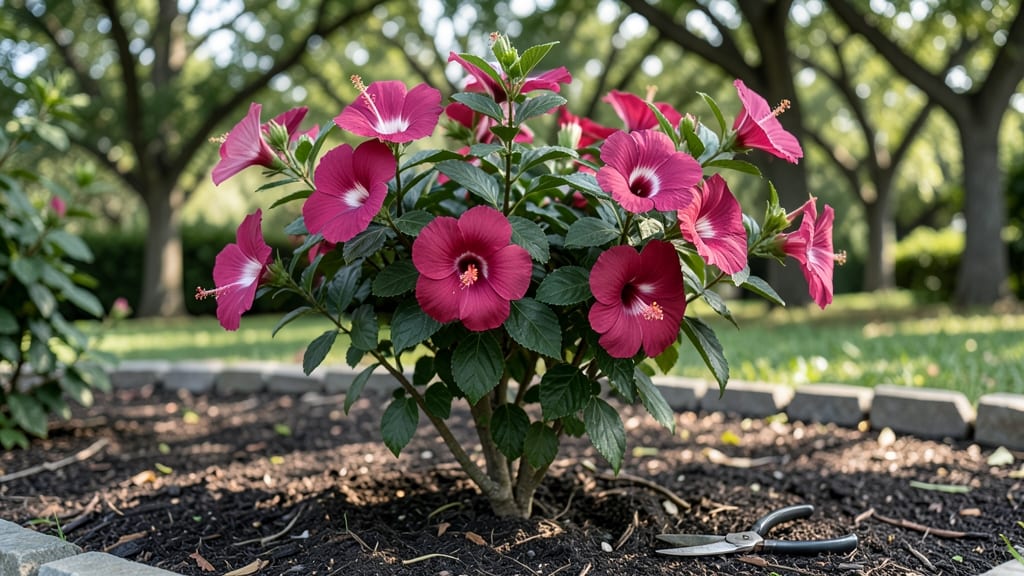
Your Rose of Sharon (Hibiscus syriacus) might look dead, but it’s often just thirsty—or drowning. 🌿 I’ve nursed back more of these tough shrubs than I’d like to admit, and the secret usually comes down to watering.
Too much or too little can turn vibrant blooms into sad, wilted branches overnight.
The first step is diagnosing the problem: check the soil 2 inches down—if it’s bone-dry, you’ve been underwatering; if it’s soggy, you’re overdoing it. Rose of Sharons hate soggy roots but also can’t handle drought. A simple finger test saves hours of guesswork.
Once you adjust the watering, you’ll see new growth within 2-3 weeks—dark green leaves first, then those familiar trumpet-shaped blooms. The key is consistency: water deeply once a week (more in extreme heat) and let the soil dry slightly between sessions.
For extra insurance, prune back any dead branches now—it encourages fresh growth and prevents fungal issues. Your shrub will bounce back stronger than ever, with blooms that last from midsummer through fall.
Root Causes Of Wilting Blooms
When your Hibiscus syriacus—commonly called Rose of Sharon—starts shedding its vibrant blooms prematurely, it’s often a cry for help from the plant itself. Understanding the underlying triggers can help you diagnose and fix the issue before it’s too late.
Let’s break down the science behind why these stunning shrubs lose their beauty.
Rose of Sharon thrives in USDA Zones 4-9, but its resilience has limits. When exposed to prolonged heatwaves (above 90°F/32°C) or sudden freezes (below 10°F/-12°C), the plant undergoes cellular damage.
- Heat Stress: High temperatures cause stomatal closure (tiny pores on leaves shut down) to conserve water, halting photosynthesis. Without energy, flowers wilt and drop.
- Cold Damage: Ice crystals form in plant cells during freezes, rupturing membranes. This disrupts nutrient transport, leading to bud blast—where flowers die before opening.
Actionable Fix: Provide afternoon shade in summer and mulch heavily in winter to insulate roots. Learn how to revive heat-stressed plants here.
Rose of Sharon is drought-tolerant but hates soggy roots. Watering issues are the #1 cause of premature bloom death, often due to:
| Problem | Effect on Plant | Solution |
|---|---|---|
| Underwatering | Leads to xylem cavitation—air bubbles block water transport, causing flowers to desiccate. | Water deeply 1-2x per week (check soil 3" down; it should be damp, not muddy). |
| Overwatering | Root rot from Phytophthora fungi cuts off oxygen, starving the plant. | Ensure well-draining soil (amend with perlite/sand) and avoid watering if soil is already moist. |
Pro Tip: 💡 Use a moisture meter to avoid guesswork. Aim for 60-70% soil moisture during bloom season.
Blooms rely on a precise balance of nutrients. Deficiencies or excesses throw off their development:
- Nitrogen (N) Deficiency: Pale leaves and weak stems (flowers can’t support themselves). Solution: Apply a balanced 10-10-10 fertilizer in early spring.
- Phosphorus (P) Shortage: Delays flowering or produces small, weak blooms. Solution: Use bone meal or a high-phosphorus fertilizer before budding.
- Magnesium (Mg) Deficiency: Yellowing between leaf veins (a classic sign). Solution: Apply Epsom salt (1 tbsp/gallon of water) monthly.
- Salt Burn (from Fertilizer): Excess salts (e.g., from tap water or over-fertilizing) cause osmotic stress, preventing water uptake. Solution: Flush soil with rainwater and reduce fertilizer frequency.
Warning: 🚨 Never fertilize in winter—it promotes tender new growth that freezes easily.
Hidden invaders can silently sabotage your Rose of Sharon. Common culprits include:
- Aphids/Spider Mites: Sap-sucking pests inject toxins that cause flower drop and distorted buds. Signs: Sticky residue (honeydew) or fine webbing.
- Japanese Beetles: Adults chew petals and leaves, while larvae (grubs) damage roots. Result: Flowers abort mid-development.
- Powdery Mildew: A fungal infection (white powder on leaves) blocks sunlight, starving blooms. Thrives in humid, low-airflow conditions.
Defense Strategy:
- 🔥 Pests: Spray with neem oil or introduce ladybugs (natural predators).
- 🌡️ Disease: Improve airflow with pruning and apply baking soda spray (1 tsp baking soda + 1 quart water + drop of soap) weekly.
Key Takeaway: Most bloom failures stem from environmental mismatches (water, temp, nutrients) or unseen stressors (pests/disease). By addressing these root causes, you’ll restore your Rose of Sharon’s glory—and keep those stunning flowers blooming for months.
Revive Wilted Blooms Quickly
Bringing your Rose of Sharon (Hibiscus syriacus) back to life starts with identifying the root cause—and then acting fast. Below, we’ve mapped out practical fixes for the most common issues, along with prevention tips to keep your plant thriving. No green thumb required!
Signs: Yellowing leaves, mushy stems, or roots that smell foul when checked.
How to Fix: 🔥 Stop watering immediately—let the soil dry out completely before watering again. 🍳 Check the pot’s drainage—if it has no holes, repot into a container with drainage or add a layer of gravel at the bottom. 👨🍳 Trim affected stems with clean pruners, cutting just above a healthy node. 🥘 Repot if needed—if roots are rotting, transfer to fresh, well-draining potting mix (a blend of garden soil + perlite works well).
Prevention Tips: ✅ Water only when the top 1–2 inches of soil are dry—stick your finger in to test! ✅ Avoid soggy spots—ensure pots have drainage holes and saucers are emptied after watering. ✅ Use a moisture meter for peace of mind (especially in humid climates).
Signs: Crispy leaf edges, drooping despite watering, or leaves turning brown and papery.
How to Fix: 🔥 Move to partial shade—place it where it gets morning sun + afternoon shade (or dappled sunlight). 🍳 Mist leaves lightly on hot days to boost humidity (avoid soggy soil). 👨🍳 Prune sun-damaged leaves—cut back any crispy or bleached growth to redirect energy. 🥘 Water deeply in the morning—this gives roots time to absorb moisture before the heat peaks.
Prevention Tips: ✅ Gradually acclimate—if moving from shade to sun, do it over 1–2 weeks to avoid shock. ✅ Use shade cloth (30–50%) in peak summer if outdoor planting isn’t an option. ✅ Mulch the base—a 2-inch layer of mulch retains moisture and cools roots.
Signs: Blackened stems, wilting despite warm weather, or leaves that feel mushy when touched.
How to Fix: 🔥 Trim dead growth—cut back any blackened or mushy stems to healthy tissue. 🍳 Apply a cold-hardy fertilizer—look for one with low nitrogen (like 5-10-10) to encourage root recovery. 👨🍳 Cover young plants—use frost cloth or a blanket if temperatures dip below 20°F (-7°C). 🥘 Water sparingly—overwatering can worsen cold stress; let soil dry slightly between waterings.
Prevention Tips: ✅ Plant in sheltered spots—near walls or fences can provide windbreaks. ✅ Mulch heavily in fall—add 3–4 inches of mulch before the first frost. ✅ Choose cold-hardy varieties—some Rose of Sharon types (like ‘Blue Bird’) tolerate colder climates better.
Signs: Sticky residue on leaves, holes in foliage, or tiny webs.
How to Fix: 🔥 Blast pests off—spray leaves with a strong stream of water to dislodge aphids, spider mites, or mealybugs. 🍳 Apply neem oil or insecticidal soap—mix 1 tbsp neem oil + 1 tsp mild soap in 1 quart of water; spray every 3–4 days. 👨🍳 Introduce beneficial insects—ladybugs or lacewings eat common pests naturally. 🥘 Prune infested branches—bag and dispose of heavily damaged leaves to stop the spread.
Prevention Tips: ✅ Inspect new plants—quarantine any additions for a week before introducing them to your garden. ✅ Encourage predators—plant marigolds or basil nearby to attract pest-eating insects. ✅ Avoid over-fertilizing—soft new growth attracts pests; stick to a balanced fertilizer schedule.
Signs: Pale yellow leaves (nitrogen deficiency), purple stems (phosphorus lack), or weak, leggy growth.
How to Fix: 🔥 Test your soil—use a DIY soil test kit (or send a sample to a local extension office) to identify deficiencies. 🍳 Add organic matter—mix in compost or worm castings for a slow-release nutrient boost. 👨🍳 Use a balanced fertilizer—switch to a 10-10-10 or 20-20-20 formula for a quick fix. 🥘 Feed in stages—apply fertilizer in early spring and mid-summer (avoid overdoing it in fall).
Prevention Tips: ✅ Rotate fertilizers—alternate between synthetic and organic options to avoid buildup. ✅ Mulch annually—top-dress with compost every spring to replenish nutrients naturally. ✅ Prune strategically—light pruning in late winter encourages bushier, more vigorous growth.
Pro Tip: 🌡️ Monitor your plant’s environment—keep a simple log of watering, sunlight, and temperature changes. Patterns will help you spot issues before they cause damage!
Need a quick visual guide? Here’s a cheat sheet for common fixes:
| Problem | Quick Fix | Prevent It With |
|---|---|---|
| Overwatering | Stop watering, improve drainage | Soil moisture meter |
| Sunburn | Move to shade, mist leaves | Shade cloth, gradual sun exposure |
| Frost damage | Trim dead growth, mulch heavily | Cold-hardy variety, windbreaks |
| Pests | Neem oil spray, prune infested parts | Beneficial insects, regular checks |
| Nutrient deficiency | Compost + balanced fertilizer | Annual soil testing, mulching |
Frequently asked questions
Why do my Rose of Sharon blooms keep dropping off?
Premature bloom drop usually signals stress from watering issues (too much or too little), nutrient deficiencies, or environmental extremes. Check soil moisture first—bone-dry soil means underwatering, while soggy roots indicate overwatering. Also inspect for pests like Japanese beetles or powdery mildew, which can cause flowers to abort mid-development.
Can I prune my Rose of Sharon in winter?
Late winter (just before new growth starts) is actually the best time to prune! Cut back 1/3 of the plant to encourage bushier growth and remove any dead or crossing branches. Avoid heavy pruning in fall, as new growth won't harden off before winter. Always sterilize your pruners with rubbing alcohol between cuts to prevent disease.
How do I know if my Rose of Sharon is getting enough sun?
Ideal sunlight is full sun (6+ hours daily), but these plants tolerate partial shade. Look for these clues: Leggy growth or fewer blooms means more sun; yellowing leaves or crispy edges mean too much sun. In hot climates, afternoon shade helps prevent sunburn. Start with morning sun + afternoon shade if your plant looks stressed.
What's the fastest way to revive a dying Rose of Sharon?
Start with 3 immediate steps:
- Check soil moisture and adjust watering (deep watering once a week is ideal),
- Prune all dead/diseased branches back to healthy growth, and
- Apply a balanced fertilizer (10-10-10). For severe cases, repot into fresh, well-draining soil. With proper care, you'll see new growth within 2-3 weeks.
Can I grow Rose of Sharon in containers?
Yes! Choose a large container (at least 18" wide) with drainage holes and use a well-draining potting mix (half garden soil, half perlite/sand). Water more frequently than in-ground plants (containers dry out faster) and fertilize every 4-6 weeks during growing season. Dwarf varieties like 'Miss Kim' work especially well in pots.