
Flowers
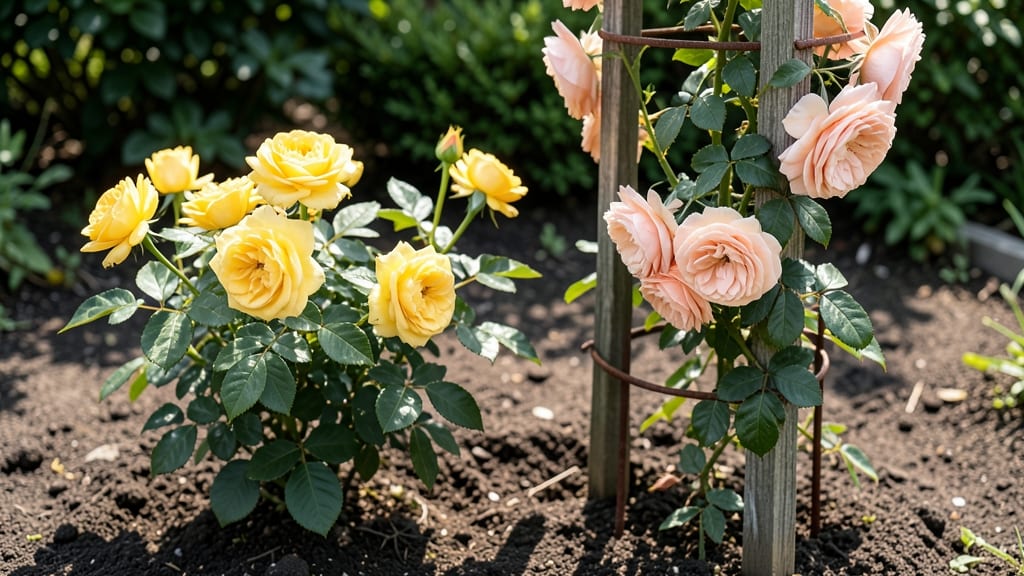
Peach and yellow roses aren't just pretty—they're the stars of a garden that feels like a romantic storybook. 🌸 These climbers wrap themselves around trellises, arches, and fences with velvety petals that catch the light at every angle, while their honeyed fragrance lingers in the air long after you walk past.
I've seen them transform bare walls into living tapestries, and they do the same for any space lucky enough to host them.
The secret to their magic lies in how they pair with other plants. Try them alongside lavender for a purple-and-gold contrast, or let them mingle with deep red geraniums for a bold, vintage look.
They even play well with grasses like fountain grass, which adds movement and texture to their structured blooms. The key is giving them a sturdy support—something to climb that won't snap under their weight as they grow 6 to 10 feet tall.
By late spring, you'll have a fragrant cloud of blooms that lasts through summer and into fall, with just a little deadheading to keep them going. The petals release their scent strongest in the morning, so it's the perfect wake-up call for garden lovers.
Imagine sipping coffee on your porch while the breeze carries that sweet, citrusy aroma—it's the kind of detail that makes a garden feel like home.
Whether you're dressing up a backyard arbor or adding charm to a balcony trellis, these roses bring effortless elegance. They thrive in full sun to partial shade, so they adapt to most gardens, and their repeat blooming means you'll enjoy them for months on end.
Start with one plant, and you'll soon find yourself dreaming up new ways to let them shine.
Behind The Blooms Beauty
The stunning combination of peach-hued blossoms and vibrant yellow roses isn’t just a lucky coincidence—it’s the result of a fascinating interplay between genetics, environmental cues, and horticultural care.
Understanding why these roses produce such a captivating palette helps gardeners nurture their plants for the most breathtaking displays. Here’s what’s really going on beneath the petals.
The peachy and golden tones in these roses stem from a specific genetic blend of anthocyanins (pigments responsible for red/purple hues) and carotenoids (which create yellows and oranges). Unlike solid-colored roses, these varieties often carry recessive alleles that produce lighter, blended shades when combined.
- Carotenoid dominance: High levels of lutein and zeaxanthin create the yellow base, while lower anthocyanin activity prevents deep reds from overwhelming the color.
- Environmental triggers: Cooler daytime temps (60–75°F) and bright sunlight enhance carotenoid production, deepening the peach tones.
- Hybrid vigor: Many modern climbers are bred from Rosa chinensis (with peachy undertones) and Rosa gallica (yellow-based strains), resulting in this unique fusion.
Pro tip: 💡 If your roses lean too pale, a balanced fertilizer (like 10-10-10) with micronutrients like magnesium can boost pigment intensity.
Light and heat act like a natural color palette for roses. Peach-and-yellow climbers thrive in full sun (6+ hours/day), but their hue shifts dramatically with conditions:
| Condition | Effect on Color | Actionable Fix |
|---|---|---|
| 🔥 Intense heat (>90°F) | Bleaches petals to pale yellow; reduces fragrance. | Provide afternoon shade with lattice trellises or mulch roots with straw. |
| 🌤️ Partial shade | Dulls peach tones; may cause pinkish streaks. | Move to sunnier spots or prune nearby trees for dappled light. |
| 🌡️ Cool mornings (<50°F) | Enhances peach depth; slows blooming. | Use row covers if frost threatens, but avoid smothering plants. |
Key insight: The most vibrant peach-yellow roses often bloom in spring/fall when temps are moderate—ideal for season-long fragrance.
Water stress and soil pH can drastically alter a rose’s color trajectory. Here’s how:
- Overwatering: Leaches nutrients like iron and zinc, causing yellowing (chlorosis) that masks natural peach tones. Solution: Water deeply 1–2x/week (check soil 2" down—it should be dry).
- Alkaline soil (pH >7.0): Locks out iron, turning petals washed-out yellow. Fix: Amend soil with chelated iron or peat moss.
- Drought stress: Triggers carotenoid overproduction, making blooms too bright yellow. Fix: Mulch with wood chips to retain moisture.
Soil test tip: 🌡️ Aim for a pH of 6.0–6.5—this range optimizes both color vibrancy and fragrance in climbers.
As roses mature, their color can drift due to hormonal changes and pruning habits:
- Over-pruning: Encourages new growth with lighter yellow blooms (since younger canes prioritize survival over pigment). Fix: Prune only in late winter, removing no more than 1/3 of old wood.
- Under-pruning: Leads to crowded canes, which compete for nutrients and may produce duller peach hues. Fix: Thin out 3–5 oldest canes annually to improve airflow and color.
- Deadheading: Removing spent blooms extends the flowering season and maintains consistent color, as the plant focuses energy on new buds.
Timing matters: ✨ Prune after the last frost but before new growth (early spring) to avoid shocking the plant.
Reviving your blooms naturally
When your peach-hued roses with golden-yellow accents lose their luster, don’t toss them out—bring them back to life with these practical, step-by-step solutions tailored to common issues. Whether your climbers are wilting, struggling with pests, or just not blooming as expected, these fixes will restore their beauty and fragrance.
Cause: Overwatering, underwatering, or heat stress. Solution:
- 💧 Check the soil moisture by sticking your finger 1-2 inches deep. If dry, water deeply at the base (not the leaves) until it drains from the bottom. If soggy, let it dry out before watering again.
- ⏰ Water in the early morning or late evening to reduce evaporation and stress.
- 🌡️ Provide shade during extreme heat (use a light cloth or shade cloth) and gradually reintroduce sunlight.
- 🔄 Prune damaged stems with clean, sharp shears to encourage new growth.
Prevention Tip: 💡 Mulch around the base with organic material (like straw or bark) to retain moisture and regulate soil temperature.
Cause: Aphids, spider mites, or Japanese beetles sucking sap or chewing leaves. Solution:
- 🛡️ Spray with neem oil (mix 1 tbsp neem oil + 1 tsp mild soap + 1 quart water) and apply in the early morning or evening. Repeat every 5-7 days.
- 💦 Blast pests off with a strong spray of water to dislodge them physically.
- 🐝 Introduce beneficial insects like ladybugs or lacewings, which prey on pests naturally.
- 🌿 Remove heavily infested leaves and dispose of them in sealed bags (not compost).
Prevention Tip: ✨ Inspect plants weekly, especially underneath leaves, and act fast—pests spread quickly!
Cause: Over-pruning, poor nutrition, or lack of sunlight. Solution:
- ☀️ Ensure 6+ hours of sunlight daily—these roses thrive in full sun. If indoors, place near a bright window or use grow lights.
- 🍽️ Feed with a balanced rose fertilizer (high in phosphorus for blooms) every 4-6 weeks during growing season. Follow package instructions.
- ✂️ Prune strategically: Cut back dead or weak stems in early spring, but avoid over-trimming healthy growth. Leave 3-5 buds per stem to encourage branching.
- 💧 Reduce watering slightly before blooming season to stress the plant just enough to trigger flower production.
Prevention Tip: 🎯 Deadhead spent blooms regularly to redirect energy into new flowers.
Cause: Nutrient deficiency, fungal disease, or root issues. Solution:
- 📊 Test your soil and amend with compost or a slow-release fertilizer if deficient in nitrogen (for leaves) or iron (for yellowing between veins).
- 🍄 Treat fungal issues (like black spot) with a copper fungicide or baking soda spray (1 tsp baking soda + 1 quart water + a drop of soap).
- 🔍 Check for root rot—if the soil smells foul or roots are mushy, repot in fresh, well-draining soil and reduce watering.
- 🌧️ Improve air circulation by spacing plants 3-4 feet apart to prevent fungal spread.
Prevention Tip: 🌡️ Avoid overhead watering to keep leaves dry and reduce disease risk.
Quick Recap Table:
| Issue | Fix | Prevent |
|---|---|---|
| Wilting | Adjust watering, prune, shade | Mulch, water consistently |
| Pests | Neem oil, water spray, beneficial insects | Inspect weekly, remove debris |
| Few Blooms | Sunlight, fertilizer, prune smartly | Deadhead regularly |
| Yellow Leaves | Test soil, fungicide, check roots | Improve airflow, avoid overwatering |
Frequently asked questions
What's the best trellis or support for peach and yellow climbing roses?
Choose a sturdy arch trellis or heavy-duty wire mesh> for these vigorous climbers. They can grow 6-10 feet tall, so avoid flimsy bamboo stakes. A metal arch> (like those for wisteria) or a wooden pergola> works beautifully for vertical gardens. For fences, use twist ties> or soft plant clips to gently guide the canes without damaging them.
How do I keep peach and yellow roses blooming all season?
Deadhead spent blooms weekly> to encourage new flowers, and fertilize every 4-6 weeks> with a balanced rose food> (high in phosphorus). Prune lightly after each flush of blooms to maintain airflow. These varieties are repeat bloomers, but they need consistent care—especially morning watering> to prevent fungal issues.
Can I grow peach and yellow roses in containers?
Yes! Use a large container (at least 15 gallons)> with drainage holes and well-draining potting mix. Choose dwarf climbing varieties like 'New Dawn' or 'Blaze' for smaller spaces. Place near a sunny wall or balcony railing, and water daily in hot weather> since containers dry out faster. Fertilize monthly for best results.
What companion plants pair well with peach and yellow roses?
Try lavender> (purple contrast), salvia> (blue accents), or fountain grass> (for movement). For fragrance, pair with jasmine> or rosemary>. Avoid competitive plants like mint or invasive ground covers. These roses love full sun>, so choose companions with similar light needs for a cohesive garden bed.
Why are my peach and yellow roses losing their color?
Color fading often means nutrient deficiency> (try iron or magnesium supplements) or too much shade>. Check soil pH (6.0-6.5>) and ensure 6+ hours of sunlight daily>. If leaves show yellowing between veins, it's likely iron chlorosis—fix with chelated iron or compost. Overwatering can also dilute pigment intensity.