Blooming
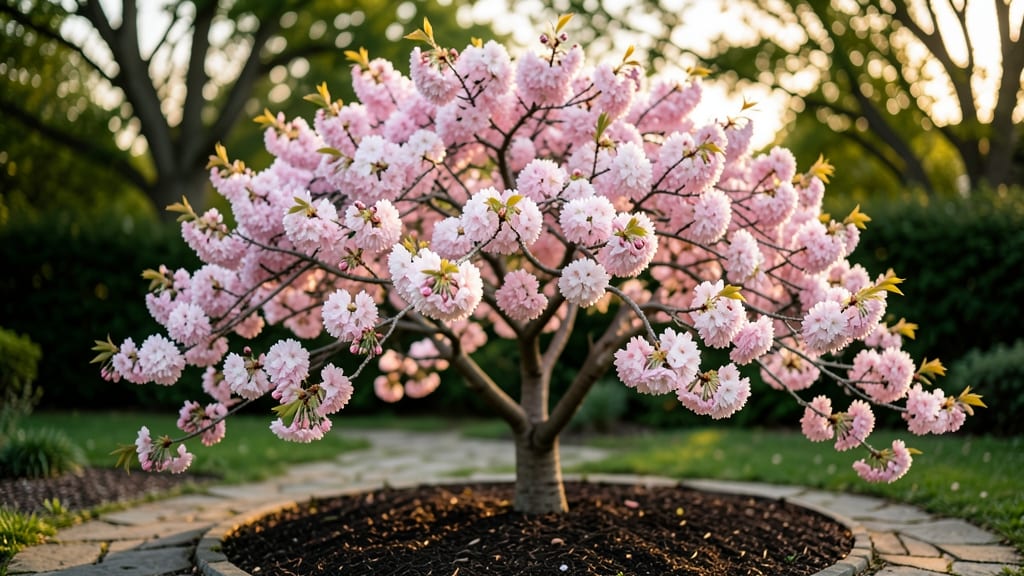
The cherry blossom tree bloom time transforms gardens into a dreamy pink canvas in late winter to early spring 🌸.
Watching those delicate petals unfurl feels like nature’s own fireworks show—but if you’ve ever missed the peak bloom window, you know timing is everything. A week too early, and the branches are still bare; a week too late, and the petals have already fallen.
That’s why knowing your zone’s exact bloom calendar is the key to planning visits, pruning, or even planting your own tree.
From the Pacific Northwest’s early blooms in February to the Deep South’s late-April displays, climate and variety play huge roles. Some cherry blossom varieties, like Yoshino, burst into color earlier, while others, like Kwanzan, linger longer.
I’ll break down the science behind bloom triggers—like chill hours and sunlight—and how you can nudge your tree to perform its best.
Ready to turn your garden into a seasonal spectacle? Here’s how to predict, extend, and even enhance your cherry blossom tree’s bloom time, zone by zone.
USDA zone bloom calendar: when cherry blossoms peak nationwide
Timing your cherry blossom viewing is an art—and your USDA zone is the brushstroke that makes all the difference. While most people associate cherry blossoms with Washington, D.C.'s Tidal Basin, the truth is these trees burst into color across the country, but their peak bloom windows shift dramatically by region.
In Zone 3, you might catch early bloomers in May, while Zone 9 gardeners enjoy their show as early as February. Understanding these variations helps you plan everything from tree planting to seasonal garden parties.
Climate plays a starring role in bloom timing. Cherry blossoms need chill hours—a minimum of 500-1,000 hours below 45°F—to trigger buds, but temperature swings in spring can delay or advance blooms.
A sudden warm spell might trick trees into blooming early, only for a late frost to nip the petals. Meanwhile, humidity levels in the Southeast can make blossoms last longer, while dry Pacific Northwest air might cause them to fade faster. Let's break down what to expect where you live.
Here’s how USDA zones 3-9 compare for cherry blossom peak bloom times, including regional hotspots and what affects your local timing:
If you're in Zone 9, you might spot cherry blossoms as early as February—perfect for Valentine’s Day strolls! Southern California’s mild winters create ideal conditions for early bloomers like the 'Autumnalis' variety, which can even produce a second flush of flowers in fall.
Meanwhile, Zone 3 gardeners should mark their calendars for late May, when the risk of frost has passed and trees finally burst into color after a long winter.
The Pacific Northwest offers a unique twist: while Seattle’s Yoshino cherry blossoms typically peak in late April, coastal areas like Portland can see blooms up to 2 weeks earlier due to maritime influences.
In contrast, the Mid-Atlantic—home to the famous National Cherry Blossom Festival—usually hits peak bloom in early April, but unpredictable temperature swings can shift this window by as much as 10 days.
For example, the 2021 bloom arrived a full week early in D.C. due to an unseasonably warm March.
For those planting their own cherry blossom trees, timing matters just as much as location. In Zones 5-7, aim to plant bare-root trees in early spring (March-April) to give roots time to establish before the first buds appear.
In Zones 8-9, fall planting (October-November) works better, allowing trees to acclimate before winter rains trigger early growth. Remember, well-draining soil and full sun exposure are non-negotiable—these trees thrive where they get at least 6 hours of sunlight daily, and soggy roots can delay blooming for years.
Pro tip: Use a garden journal to track your local cherry blossom bloom dates over 3-5 years. This helps you account for microclimates in your yard—like a south-facing slope that warms up faster—or urban heat islands that can advance blooms by a week or more.
Share your observations with local botanical gardens; many cities, like Philadelphia and Seattle, rely on citizen science to predict annual bloom forecasts.
One common misconception is that all cherry blossoms bloom at the same time. In reality, varietal differences create a staggered show. For instance, the 'Shirofugen'
5 Factors that delay or advance cherry blossom bloom time
Timing is everything when it comes to cherry blossom bloom time. While most gardeners know these trees bloom in spring, the exact window depends on five key factors. Understanding these can help you plan your garden—or even time a picnic under the petals!
The right conditions can advance blooms by weeks, while poor ones may delay them entirely.
Let's break down how sunlight exposure, winter chill hours, soil moisture, tree age, and pruning practices directly impact when your cherry blossom tree will burst into color. Each factor plays a crucial role, and small adjustments can make a big difference in your bloom schedule.
- 1 Sunlight Exposure: Cherry blossoms need 6+ hours of direct sunlight daily for optimal blooming. Inadequate light delays bud development, while full sun can advance blooms by 1-2 weeks in ideal conditions.
- 2 Winter Chill Hours: Most varieties require 500-1,000 chill hours below 45°F (7°C) to trigger blooming. Areas with mild winters may see delayed or sparse blooms unless you choose low-chill cultivars.
- 3 Soil Moisture: Consistent moisture during dormancy and early spring encourages bud formation. Overwatering or drought stress can delay blooms by 2-4 weeks, while balanced soil moisture keeps timing on track.
- 4 Tree Age: Young trees (3-5 years old) often bloom later as they focus on root and trunk growth. Mature trees (10+ years) typically bloom 2-3 weeks earlier due to established energy reserves.
- 5 Pruning Practices: Pruning in late winter or early spring can advance blooms by removing dead wood and improving air circulation. However, over-pruning reduces flower buds and delays blooming.
If you're planting a new cherry blossom tree, prioritize a location with full sun exposure and well-draining soil. For established trees, monitor soil moisture during winter dormancy—this is when buds form for next year's blooms. A simple soil moisture sensor can help track conditions without guesswork.
For gardeners in warmer climates, consider low-chill varieties like 'Autumnalis' or 'Shirofugen' to ensure reliable blooming. These cultivars adapt better to mild winters and still deliver stunning spring displays. Pruning is also key—always remove dead or crossing branches in late winter to encourage healthy growth and timely blooms.
Timing your cherry blossom tree bloom time isn't just about aesthetics—it's about creating the perfect conditions for your tree to thrive. By paying attention to these five factors, you'll maximize your chances of a breathtaking spring display year after year. 🌸