
Succulent
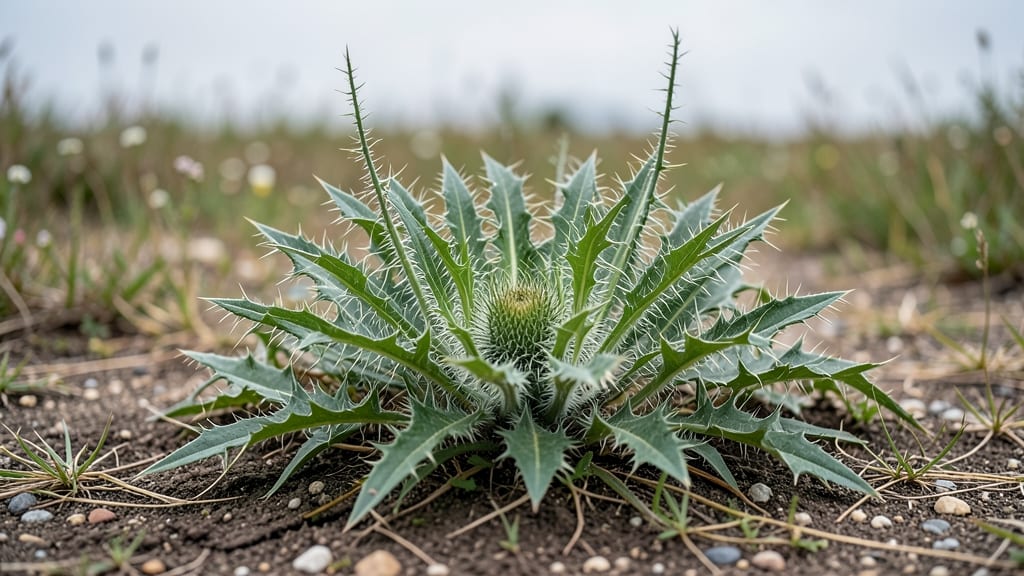
That low, spiky rosette creeping into your garden isn't just another weed—it's Canada thistle, and ignoring it now means a thorny mess by summer. 🌱 I’ve battled these tough invaders, and the key to stopping them early is recognizing the rosette stage before they bolt into 6-foot-tall spiky monsters.
The problem? Those tight clusters of jagged leaves look harmless, but each rosette hides a deep taproot that can regrow from even a 1-inch fragment. Most gardeners pull them too late—after they’ve already spread underground. The good news? You can eliminate 90% of them before they become unmanageable.
By following these three steps—digging, smothering, and monitoring—you’ll break their lifecycle and reclaim your garden without chemicals. No more wrestling with thistle patches or ruining your lawnmower blades. The payoff? A yard that stays clean, safe, and weed-free for years.
Works for lawns, garden beds, and even cracks in pavement. Here’s how to make it happen before next spring’s growth spurt takes over.
Root Causes Of Rosette Growth
Understanding why Canada thistle forms its iconic rosette stage is key to stopping it before it spreads. This low-growing, spiky cluster isn’t just an aesthetic nuisance—it’s a survival strategy. Here’s why it happens, broken down into the core factors driving this behavior:
Canada thistle seeds lie dormant until conditions are just right—typically after disturbances like tilling, construction, or even heavy rain. These seeds can remain viable in the soil for decades, waiting for the perfect moment to sprout.
- Light Exposure: Seeds need sunlight to germinate. If soil is compacted or shaded (e.g., by dense grass or mulch), they stay dormant.
But when exposed—like after a fire or plowing—they burst into action. - Moisture Fluctuations: Alternating wet and dry periods trick seeds into thinking it’s a stable environment.
This is why thistles often pop up after spring rains or irrigation. - Soil Temperature: Ideal germination occurs at 50–70°F (10–21°C). Warmer soils (like those in early spring or late fall) signal seeds to break dormancy.
Pro Tip: 🌡️ Prevent germination by keeping soil consistently moist (not soggy) and avoiding tilling disturbed areas. Mulch heavily to block light if thistles are a recurring issue.
Once sprouted, Canada thistle enters its rosette phase—a tightly packed cluster of leaves hugging the ground. This isn’t laziness; it’s defensive biology:
- Avoiding Herbivores: The spiky leaves deter deer, rabbits, and even livestock.
Rosettes are nearly impossible to graze without serious mouth trauma. - Water & Nutrient Efficiency: Low to the ground, the plant maximizes access to shallow moisture and nutrients, thriving in poor soil where other plants fail. - Energy Storage: The rosette acts like a battery, storing carbohydrates in its roots and leaves for rapid vertical growth when conditions improve (like in late spring).
Fun Fact: 🔍 A mature rosette can have 50+ leaves, each armed with sharp spines to protect its energy reserves!
Thistles stay in rosette form until they sense three key signals to bolt (shoot up and flower):
- Day Length (Photoperiodism): As daylight stretches beyond 14–16 hours (common in late spring/early summer), the plant’s internal clock flips to "go vertical."
- Warmth & Rain: A consistent 60°F+ (15°C+) soil temperature + regular watering tells the thistle, "Now’s the time to reproduce!"
- Competition: If surrounding plants (like grasses or clover) are removed—via mowing, hoeing, or drought—the thistle detects less competition and bolts aggressively.
Warning Sign: ⚠️ If you see rosettes lengthening stems or developing buds, act fast—they’ll flower in 2–4 weeks, releasing thousands of seeds per plant.
Ironically, many gardening practices supercharge Canada thistle growth:
- Over-Tilling: Breaks seed dormancy and aerates soil, making it easier for roots to establish.
- Poor Drainage: Waterlogged soil suffocates competitors but lets thistles thrive (they’re drought-tolerant but love moisture).
- Lack of Maintenance: Skipping mowing or weeding gives rosettes uninterrupted growth until they dominate.
Actionable Fix: 🚜 Stop tilling and use smothering techniques (like cardboard + mulch) to block light without disturbing seeds.
Canada thistle loves these conditions:
- Poor, Rocky, or Sandy Soil: Outcompetes other plants in nutrient-poor environments.
- Dry Climates: Once established, it survives droughts that kill weaker weeds.
- Alkaline pH (7.0+): Thrives in soils with high calcium or limestone.
Soil Test Tip: 📊 If your garden has high pH or low organic matter, amend with compost to discourage thistles naturally.
The rosette isn’t random—it’s a highly evolved survival tactic. By targeting germination triggers, rosette defenses, bolting signals, and human habits, you can disrupt its life cycle before it takes over. Next up: How to Stop It in 3 Steps (link placeholder).
Eliminate Thistles Before They Spread
Seeing those spiky Canada thistle rosettes pop up in your garden is frustrating—especially when you’ve worked hard to keep it pristine. The good news? You can tackle them effectively with the right approach.
Below, we break down the most common causes of these stubborn weeds and the practical fixes to keep your yard thistle-free. Plus, we’ll share prevention tips to stop future invasions.
The sooner you spot a thistle rosette, the easier it is to remove it before it flowers and seeds. Thistles spread aggressively, so don’t wait until they’re towering over your plants!
- 🔍 Scan your yard regularly, especially after rain or in disturbed soil (like garden beds or lawn edges).
- 📏 Look for the classic rosette shape—a circular cluster of spiny leaves close to the ground.
- 🚨 Remove any you find immediately—even a single plant can produce thousands of seeds.
If the thistle is still in the rosette stage (no flower stalk yet), manual removal is your best bet. Here’s how to do it safely and effectively:
👨🍳 Step 1: Wear Protective Gear
Thistle spines are sharp—protect yourself with:
- Thick gloves (gardening or leather work gloves)
- Long sleeves and pants (to avoid skin contact)
- Eye protection (if pulling near your face)
🔥 Step 2: Pull by Hand (Best for Small Patches)
For young rosettes, grip the base firmly and pull upward with a twisting motion. This helps dislodge the entire root system.
⚠️ Warning: If the root breaks off, the remaining piece can regrow. Always pull until resistance stops.
✂️ Step 3: Use Tools for Stubborn Roots
If the thistle is deeply rooted or in hard soil, try:
- Dandelion digger or weeding fork – Pry the root out without breaking it.
- Hoe or cultivator – Cut the rosette at ground level (but do not leave the root in the soil—it’ll regrow).
- Grass trimmer – For large patches, mow the rosettes down (but follow up with herbicide or repeat mowing to weaken them).
🌡️ Step 4: Dispose of Thistles Properly
Never compost or leave thistle debris in your yard—it can sprout new plants. Instead:
- Place pulled thistles in a sealed trash bag.
- Burn them (if local laws allow) or take them to a green waste facility.
For established thistles or large infestations, herbicides can be a game-changer. But use them strategically to avoid harming your garden.
🎯 Spot-Treat with Glyphosate (For Mature Plants)
Glyphosate (like Roundup) kills thistles by absorbing through the leaves. Here’s how to apply it safely:
- Choose a dry, wind-free day (early morning or late evening).
- Spray the entire rosette and top of the plant until wet (avoid overspray on desirable plants).
- Wait 24–48 hours for the herbicide to work, then pull or mow the dead plant.
- Repeat if regrowth appears.
⚠️ Caution: Glyphosate can harm nearby plants, so use a shield or cardboard to protect them.
🌱 Selective Herbicides (For Lawns)
If thistles are in your lawn, use a selective herbicide like 2,4-D or dicamba (common in weed-and-feed products). These target broadleaf weeds without killing grass.
Pro Tip: Apply in early spring or fall when thistles are actively growing.
The best defense is a strong offense! Follow these tips to make your garden less inviting to thistles:
💪 Maintain a Healthy Lawn
Thistles thrive in weak, thin lawns. Keep yours lush with:
- Regular mowing (3–4 inches high) to block sunlight.
- Proper watering (deep but infrequent) to encourage deep roots.
- Fertilizing in spring and fall for vigorous growth.
🌱 Mulch Garden Beds
A thick layer of organic mulch (3–4 inches) smothers thistle seeds and prevents germination. Use:
- Wood chips
- Straw
- Grass clippings
🚜 Improve Soil Health
Thistles love disturbed, nutrient-poor soil. Boost your soil with:
- Compost (adds nutrients and improves structure).
- Cover crops (like clover or vetch) to prevent bare soil.
- Avoid tilling—it brings buried seeds to the surface.
🛡️ Block Light with Ground Covers
Plant dense ground covers like creeping thyme, clover, or sedum to outcompete thistles for space and sunlight.
🔄 Regular Monitoring
Set a reminder to check your yard every 2–4 weeks for new rosettes. Early action saves time and effort!
For a chemical-free option, mix:
- 1 gallon of white vinegar (20–30% acetic acid)
- 1 oz of dish soap (as a surfactant)
- Optional: 1 cup of salt (enhances effectiveness)
Spray directly on thistle leaves on a sunny day (vinegar works best with sunlight). Repeat every 3–5 days until the plant dies. Note: This kills all plants it touches, so use carefully around desired flora.
Frequently asked questions
Why do Canada thistle rosettes look so different from mature plants?
The rosette stage is Canada thistle's survival strategy—it grows low to the ground with spiky leaves to deter animals and conserve energy. Once conditions are right (like longer daylight and warmth), the plant bolts upward, shooting up to 6 feet tall with purple flowers. This transformation happens quickly, so early removal is key!
Can I pull Canada thistle rosettes by hand, or will they keep coming back?
Pulling works best if you get the entire root—even a tiny fragment can regrow. Use gloves and grip the base firmly while twisting upward. For stubborn roots, try a dandelion digger or hoe. Always check the soil afterward to ensure no pieces remain.
What’s the best time of year to treat Canada thistle rosettes?
Target rosettes in early spring or fall when they’re young and haven’t bolted yet. Avoid treating in summer heat, as stressed plants may regrow. For herbicides, apply on a dry, wind-free day when temperatures are 60–85°F (15–29°C) for best results.
Will vinegar kill Canada thistle rosettes, or do I need stronger chemicals?
Vinegar (20–30% acetic acid) can work for small patches, but it kills all plants it touches. Mix with dish soap and spray directly on leaves on sunny days. For large infestations, glyphosate or selective herbicides like 2,4-D are more effective. Always test a small area first!
How do I prevent Canada thistle from spreading to other parts of my yard?
Stop seeds from spreading by removing rosettes before they flower and disposing of them properly (never compost!). Improve soil health with mulch, maintain a thick lawn, and avoid tilling. Regular monitoring every 2–4 weeks catches new growth early.