
Aphids
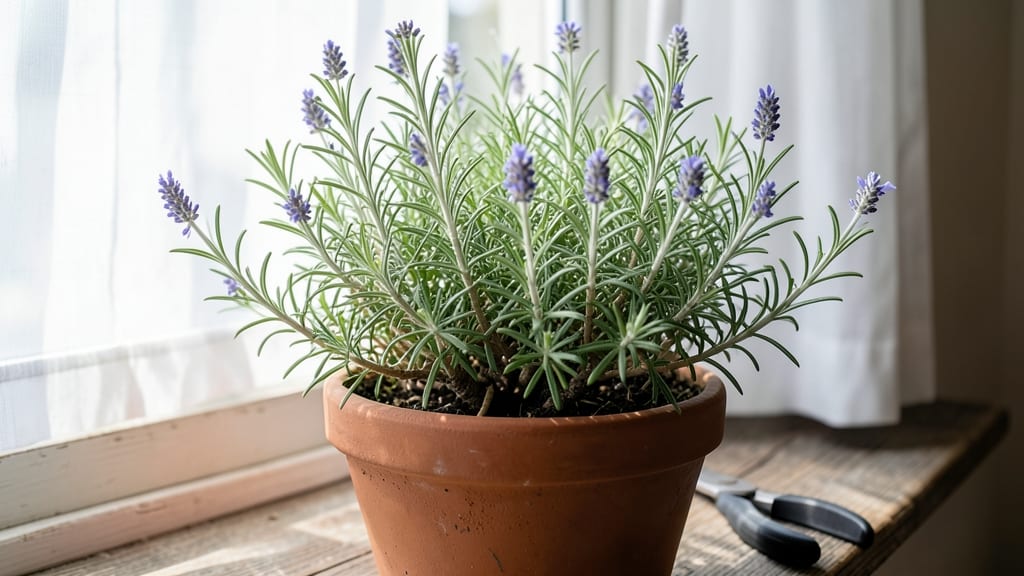
Rosemary's life cycle reveals why this hardy herb thrives for decades with the right care. 🌿 From seed to mature bush, each stage has specific needs—starting with germination that takes patience (and heat mats help).
Most gardeners skip seeds entirely, opting for cuttings instead, since store-bought plants often skip the slowest part of the cycle.
The real magic happens in the vegetative stage, where rosemary builds its signature woody stems and fragrant foliage. This is when most people make the fatal mistake of overwatering—rosemary hates soggy roots.
Give it 6 hours of sun daily, well-draining soil, and water only when the top inch feels dry. Prune lightly to encourage bushier growth, but never cut into old wood.
Flowering arrives in late spring or summer, when you'll see those delicate blue or white blooms—don't trim them off! The flowers attract pollinators and signal the plant to focus on seed production (though rosemary rarely sets viable seeds in home gardens).
After blooming, give your plant a light haircut to maintain shape and encourage new growth before winter.
Dormancy isn't a death sentence—rosemary handles cold surprisingly well, especially in USDA zones 7-10. In colder climates, mulch heavily and protect from frost. The secret to long-term success?
Propagate from cuttings every few years. A single 4-inch stem in water roots in 2-3 weeks, giving you fresh plants that inherit all the parent's hardiness.
📚 In This Guide
- What you need
- Instructions
- Tips and common mistakes
- Wrapping up and next steps
What you need
- ● Rosemary seeds or cuttings: 10–20 seeds (or 3–5 healthy cuttings, 4–6 inches long, from an established plant).
- ● Potting soil: 1–2 gallons of well-draining, sterilized potting mix (look for a blend labeled "cactus/succulent" or add perlite/sand for drainage).
- ● Containers: For seeds: 4–6 small pots (4–6 inches wide) with drainage holes.
- ● For cuttings: 3–5 small pots or a single larger container (with drainage).
- ● For mature plants: 1–2 gallon pots or garden space with full sun (6+ hours/day).
- ● Drainage trays or saucers: 1–2 (to catch excess water).
- ● Watering can or spray bottle: With a fine mist nozzle for seedlings.
- ● Pruning shears or sharp scissors: For trimming cuttings (sterilize with rubbing alcohol).
- ○ Rooting hormone (optional): A gel or powder to boost cutting success.
- ○ Heat mat (optional): For seeds to speed up germination (70–75°F ideal).
- ○ Grow lights (optional): LED or fluorescent for indoor seedlings (12–16 hours/day).
- ● Fertilizer: Balanced liquid fertilizer (10-10-10 or 20-20-20, diluted to half-strength).
- ○ Mulch (optional): Gravel or pebbles to retain moisture and deter weeds (for outdoor plants).
- ● Climate: Rosemary thrives in USDA Zones 7–10. For colder zones, grow in containers and bring indoors in winter.
- ● Sunlight: Full sun (6+ hours/day) is non-negotiable—partial shade will stunt growth.
- ● Watering routine: Wait until the soil is completely dry before watering (overwatering kills rosemary!).
- ● Patience: Seeds take 2–4 weeks to germinate; cuttings root in 2–6 weeks.
Instructions for cultivating rosemary across its natural life cycle
This is how I keep rosemary thriving through every season—from tender starts to mature harvests.
🌱 Step 1: Establish Young Plants in Ideal Conditions
Rosemary thrives best from cuttings rather than seeds, so I start with 4-inch stem cuttings from a healthy plant. Dip the cut end in rooting hormone and plant in well-draining potting mix to a depth of 2 inches. Keep the soil consistently moist but never soggy—you'll know it's right when the top inch feels slightly damp to the touch.
Place the cuttings under bright, indirect light for the first two weeks. You'll see new growth within 4-6 weeks as the cuttings establish roots. Avoid overwatering now—rosemary hates wet feet and will quickly develop root rot if the soil stays saturated.
☀️ Step 2: Transition to Full Sun and Prune for Shape
Once the cuttings have developed 3-4 sets of true leaves, gradually introduce them to full sun over 7-10 days. Start with 2-3 hours of direct sunlight and increase by an hour each day. You'll notice the leaves darken and thicken as they adapt to stronger light.
Prune lightly to encourage bushier growth by pinching back the tips of the stems. This stimulates lateral branching and prevents the plant from growing too leggy. Use clean, sharp pruners to make cuts just above a leaf node—this ensures new growth will emerge from that point.
🌿 Step 3: Maintain Through Active Growth (Spring to Fall)
During the growing season, water rosemary when the top 1-2 inches of soil feel dry. This plant is drought-tolerant once established, so it's better to underwater slightly than to keep the soil too moist. I typically water every 7-10 days, depending on the heat and humidity in my climate.
Fertilize lightly in early spring with a balanced, slow-release fertilizer to support new growth. Avoid heavy feeding—rosemary prefers lean soil and too much fertilizer will make the leaves soft and less aromatic. Harvest stems regularly to encourage bushier growth and prevent the plant from becoming woody.
❄️ Step 4: Prepare for Winter Dormancy
As temperatures drop below 40°F, reduce watering significantly. Rosemary enters a semi-dormant state in winter, so it needs far less moisture. Water only when the soil feels completely dry to the touch, typically every 3-4 weeks unless you're in a very cold climate.
If you're in a region with freezing temperatures, move potted rosemary to a sheltered location or bring it indoors near a sunny window. Keep the plant in a spot where it gets at least 4-6 hours of light daily to prevent legginess. Prune lightly in late winter to remove any dead or damaged growth before new shoots emerge in spring.
🌱 Step 5: Renew and Revitalize in Early Spring
In early spring, trim back any dead or woody growth to encourage fresh, vibrant new shoots. Cut back stems by about one-third to promote bushier growth. This is also the time to repot if your rosemary has outgrown its container—choose a pot that's only 1-2 inches larger in diameter than the current one.
Return the plant to its outdoor location once nighttime temperatures consistently stay above 40°F. Gradually reintroduce it to full sun over 7-10 days to avoid shocking the plant. You'll see new growth within 3-4 weeks, signaling that the plant is ready to thrive again for another growing season.
Tips & tricks for perfect year-round rosemary growth
Here's what nobody tells you about keeping rosemary thriving through every season—these are the details that separate a struggling herb from a flourishing one.
Rooting Hormone Hack: Skip the rooting hormone if you're in a hurry, but you'll significantly increase your success rate by using it. I've found that cuttings treated with hormone root in about 3-4 weeks instead of the 4-6 weeks without it. If you don't have hormone, crush a vitamin B1 tablet and dip the cut end—it works almost as well! The key is keeping that 2-inch depth consistent while maintaining moisture in the top inch of soil.
Sun Transition Strategy: That 7-10 day sun acclimation in Step 2 is crucial—don't rush it. I've seen plants go from vibrant green to crispy brown overnight when moved directly to full sun. Start with those 2-3 hours in the morning when UV intensity is lower, then gradually add afternoon sun. Watch for leaves that darken to a deeper green—this is your plant's way of saying "I'm adapting!"
Winter Survival Secret: The 40°F threshold isn't just about temperature—it's about preventing winter burn. If you're in a cold climate, consider wrapping your pots in bubble wrap or moving them to an unheated garage with a sunny window. The 4-6 hours of light during winter dormancy prevents that leggy, weak growth that's so common with indoor rosemary. I've kept plants alive through -10°F nights by moving them to a sheltered porch with morning sun exposure.
Pruning Precision: When you're cutting back by one-third in early spring, focus on removing the oldest, woody stems first. These stems won't regrow and just take up energy. Always cut just above a leaf node—this is where new growth emerges. I use clean pruners and wipe them with rubbing alcohol between cuts to prevent spreading any potential diseases. The 3-4 weeks for new growth to appear is your reward for precise pruning!
Pro Tips for Rosemary Life Cycle
- Here's what nobody tells you about keeping rosemary thriving through every season—these are the details that separate a struggling herb from a flourishing one.
- Rooting Hormone Hack: Skip the rooting hormone if you're in a hurry, but you'll significantly increase your success rate by using it.
- Sun Transition Strategy: That 7-10 day sun acclimation in Step 2 is crucial—don't rush it.
Frequently asked questions
about the rosemary life cycle—because even the hardiest plants need a little extra care!How long does it take for rosemary to grow from seed to harvest?
Patience is key! Rosemary grown from seed typically takes 6–12 months to mature enough for harvesting. If you’re using cuttings, you’ll see growth in just 4–8 weeks—much faster! Start indoors in early spring for a head start, and give it full sun and well-draining soil to speed things up.
Can rosemary survive winter? What’s the best way to protect it?
Rosemary is semi-evergreen and can handle light frost, but heavy freezes (20°F/-7°C) may damage it. To protect potted rosemary, move it indoors near a sunny window or wrap the pot in burlap. For in-ground plants, mulch heavily around the base. Prune back dead growth in early spring—new growth will bounce back like a champ!
Why is my rosemary turning yellow or dropping leaves?
Yellowing leaves or leaf drop usually signal overwatering, poor drainage, or root rot. Rosemary thrives in dry, sandy soil—water only when the top inch is bone-dry. If roots are soggy, repot in fresh, gritty mix. Brown tips? That’s often underwatering or fluoride buildup (use filtered water if yours is hard).
Can I grow rosemary indoors year-round? What’s the trick?
Place your rosemary in a south-facing window (or under a grow light for 6+ hours/day) and use a terracotta pot to prevent root rot. Water sparingly—indoor air is drier, so check soil moisture often. Prune aggressively to encourage bushiness, and fertilize lightly with half-strength liquid fertilizer in spring/summer.
What’s the best alternative if rosemary struggles in my climate?
If rosemary’s too finicky, try thyme, oregano, or lavender—they’re equally hardy and love similar conditions. For a rosemary-like flavor, marjoram or bay leaves work in cooking. Just remember: rosemary’s piney aroma is unmatched, so if you love it, grow it in containers for flexibility!
Wrapping up and next steps
Understanding the rosemary life cycle is your secret weapon for growing a thriving, year-round herb garden! 🌱 From seeds to harvest, each stage—germination, growth, flowering, and dormancy—plays a role in keeping your plant healthy and productive.
Whether you’re a seasoned gardener or just starting, these insights will help you nurture rosemary with confidence.
Ready to take the next step? Start with healthy cuttings or seeds, monitor soil and sunlight needs, and embrace seasonal adjustments. Your rosemary’s journey begins with you—happy growing! 🌿✨