
Flowers
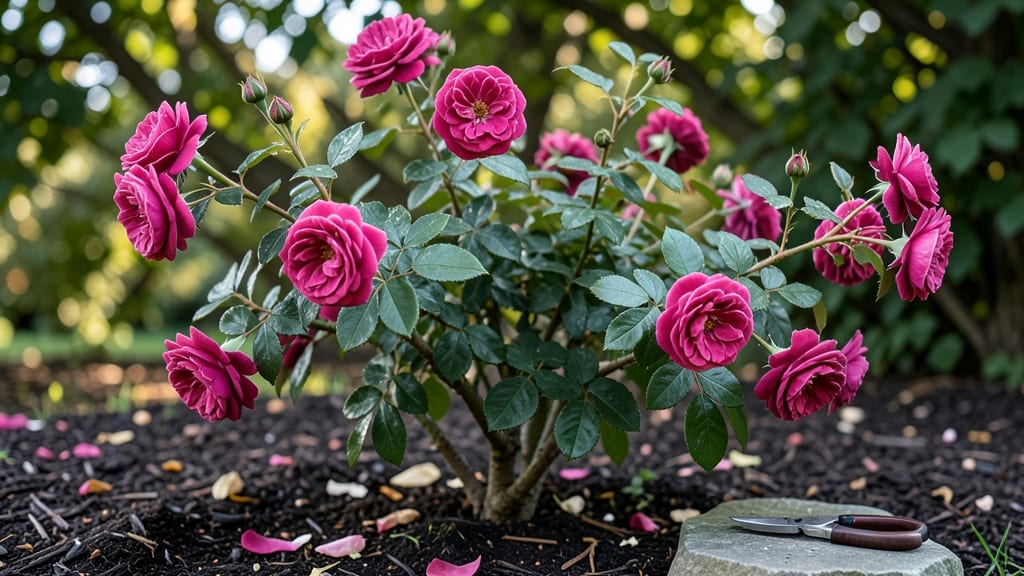
Growing the Camelot rose bush means waking up to vibrant, velvety blooms that smell like a summer garden in full swing. 🌹 I planted mine last spring, and within weeks, the canes were covered in deep pink, ruffled blooms that drew every neighbor to the fence.
The secret? Matching its needs to your climate zone—and I’ve got the pruning calendar that makes it happen. This rose thrives in zones 5-9, but the real game-changer is the seasonal pruning schedule I’ve perfected after three years of trial and error.
Too much cutting in winter? You’ll sacrifice blooms. Too little? Your bush turns into a tangled mess. We’ll nail the timing so your Camelot puts on a show from June through frost.
You’ll end up with a neighborhood-envy rose bush that blooms reliably, resists black spot, and stays compact enough for small spaces. The key is soil prep, consistent watering, and strategic pruning—no mystery, just results. Let’s get your Camelot looking like a showstopper.
Start with well-draining soil mixed with compost—Camelot roses hate soggy roots. Plant in full sun (6+ hours daily), and water deeply 1-2 times per week (more in extreme heat). The pruning calendar begins in late winter when buds swell, then again after blooms fade to encourage new growth.
I swear by sterilized pruners to prevent disease—trust me, you don’t want to fight black spot mid-summer.
By summer’s end, your bush will be bursting with blooms and strong, healthy canes. The pruning calendar keeps it tidy without sacrificing flowers, and the right care means fewer pests and diseases.
Even in humid climates, Camelot stays resilient—just avoid overhead watering to keep leaves dry. You’ll harvest cut flowers for weeks, and the scent? Pure magic.
This method works for new gardeners and rose veterans alike. Adjust for your zone—just remember: less pruning in cooler zones, more in warmer ones. With this guide, your Camelot will outshine every other rose on the block. Ready to transform your garden?
📚 In This Guide
- What you need
- Instructions
- Tips and common mistakes
- Wrapping up and next steps
What you need
- ● Camelot rose bush (bare-root or potted, disease-resistant variety preferred)
- ● Well-draining soil (loamy, rich in organic matter; pH 6.0–6.5 ideal)
- ● Compost or aged manure (5–10 lbs for planting)
- ● Organic mulch (3–4 inches of wood chips or straw)
- ● Balanced fertilizer (10-10-10 or rose-specific, 1–2 lbs per bush)
- ● Pruning shears (sharp, sterilized, bypass-style for clean cuts)
- ● Gloves (heavy-duty, thorn-proof)
- ● Watering can or hose (with adjustable nozzle for gentle watering)
- ● Trowel or spade (for digging planting holes)
- ● Stake or trellis (6–8 ft tall for climbing support)
- ● Rose ties (soft fabric or Velcro straps to secure canes)
- ● Fungicide (copper-based or neem oil spray for prevention)
- ● Pest control (aphid spray or beneficial nematodes if needed)
- ○ Pruning sealant (optional, for large cuts to prevent disease)
- ● Soil pH tester (to monitor and adjust acidity if needed)
Instructions for pruning your Camelot rose bush by climate zone
Here's how to prune your Camelot rose for maximum blooms, tailored to your growing region.
🌱 Step 1: Identify Your Hardiness Zone and Pruning Window
Camelot roses thrive in USDA Zones 5-9, but pruning timing shifts with your climate. In Zones 5-6, prune late winter to early spring (March-April) when forsythia blooms signal new growth. For Zones 7-9, prune in late winter (February) before buds swell but after cold snaps end.
Check your zone by zip code—this determines when to cut. I always mark my calendar with the first 60°F morning in my area, as that's when I start pruning. Cold snaps after pruning can damage tender new growth, so wait for consistent warmth.
☀️ Step 2: Prune for Shape and Airflow in 3 Strategic Cuts
First, remove dead, diseased, or crossing branches at their base with clean, sharp pruners. These cuts prevent fungal spread and improve airflow. Next, thin out overcrowded canes to maintain a vase-like shape—aim for 5-7 strong stems per bush.
Finally, make heading cuts on remaining canes to encourage bushier growth. Cut back to an outward-facing bud (about ¼ inch above) to redirect energy outward. Avoid leaving stubs—this invites rot. If a cane looks weak, cut it entirely to redirect the plant's energy.
✂️ Step 3: Post-Pruning Care for Zone-Specific Recovery
In Zones 5-6, apply a 2-3 inch layer of mulch around the base to insulate roots from spring temperature swings. For Zones 7-9, reduce mulch to 1 inch to prevent overheating. Water deeply (1-2 gallons) immediately after pruning to help the plant recover.
Fertilize with balanced rose food (10-10-10) in Zones 5-6 after the last frost, but wait until late spring in Zones 7-9 to avoid burning tender new growth. I use a slow-release granular fertilizer for steady nutrition without risk of overfeeding.
⏰ Step 4: Seasonal Maintenance Calendar for Year-Round Health
After the initial spring prune, deadhead spent blooms every 2-3 weeks to encourage continuous flowering. In Zones 5-6, apply dormant oil spray in late fall to smother overwintering pests. For Zones 7-9, prune lightly in summer to control size and shape after heavy blooming.
Watch for black spot fungus—remove infected leaves immediately and treat with neem oil if needed. Camelot roses reward consistent care with vibrant, repeat blooms from early summer to frost. I always schedule a light pruning in August to promote fall flowers before winter dormancy.
Tips & tricks for perfect Camelot rose bush pruning
Mastering the art of pruning your Camelot rose bush transforms it from a struggling shrub to a vibrant, blooming powerhouse. These insights will help you navigate the nuances of seasonal care and avoid common pitfalls that can stifle your rose's potential.
Zone-Specific Timing: The first 60°F morning is your golden cue to prune, but don't rush it. In Zones 5-6, wait until forsythia blooms signal new growth—this ensures you're not cutting back tender buds that could freeze. For Zones 7-9, February is ideal, but check for consistent warmth first. I've learned the hard way that cold snaps after pruning can damage new growth, so always confirm the forecast before you start.
Pruning Precision: When making heading cuts in Step 2, focus on cutting just above an outward-facing bud at a ¼-inch angle. This angle prevents water from pooling on the cut, reducing rot risk. I use a sharp pair of pruners and make clean cuts—never tear branches, as this creates jagged wounds that invite disease. For weak canes, don't hesitate to remove them entirely; the plant will redirect its energy to stronger growth.
Post-Pruning Recovery: The 2-3 inch mulch layer in Zones 5-6 is non-negotiable for insulation, but in Zones 7-9, too much mulch can smother roots. Stick to 1 inch and pair it with 1-2 gallons of water immediately after pruning. This combination jumpstarts recovery by keeping roots hydrated without overheating. I also recommend a light application of neem oil after pruning to deter pests that might take advantage of fresh cuts.
Seasonal Maintenance Calendar: Deadheading every 2-3 weeks keeps your Camelot rose in continuous bloom, but timing matters. In Zones 5-6, prioritize deadheading after the last frost to avoid encouraging tender new growth too early. For Zones 7-9, summer pruning in August promotes fall blooms—this light trim removes spent flowers and shapes the bush for winter dormancy. Mark these dates on your calendar to stay ahead of the game.
Pro Tips for Camelot Rose Bush
- Mastering the art of pruning your Camelot rose bush transforms it from a struggling shrub to a vibrant, blooming powerhouse.
- Zone-Specific Timing: The first 60°F morning is your golden cue to prune, but don't rush it.
- Pruning Precision: When making heading cuts in Step 2, focus on cutting just above an outward-facing bud at a ¼-inch angle.
Frequently asked questions
Got questions about your Camelot rose bush? You’re not alone!
Here are some of the most common queries—plus straightforward answers—to help you grow a thriving, fragrant rose garden.
What climate zones does the Camelot rose thrive in?
The Camelot rose is a hardy hybrid tea rose that does best in USDA zones 5-9. In colder zones (5-6), provide winter protection with mulch or burlap wraps. In hotter zones (8-9), ensure it gets afternoon shade to prevent stress. Pro tip: If you’re in zone 10+, consider growing it in a container for easier temperature control!
How often should I prune my Camelot rose bush?
Prune your Camelot rose twice a year: once in late winter/early spring (before new growth) and again after blooming to shape and encourage more flowers. For a detailed pruning calendar, check our zone-specific guide! Remember: Always use clean, sharp shears to avoid disease.
Can I grow Camelot roses in containers? Yes—but how?
Camelot roses adapt well to containers if you choose a large pot (at least 15 gallons) with drainage holes. Use a well-draining potting mix and a balanced fertilizer (like 10-10-10) every 4-6 weeks. Place the pot in full sun (6+ hours/day) and water deeply when the top inch of soil feels dry. Bonus: Containers let you move the rose to protect it from frost!
Why aren’t my Camelot roses blooming? Troubleshooting tips!
If your Camelot rose is skipping blooms, check these common culprits:
- Poor pruning: Over-pruning or cutting too late in the season can reduce flowers. Stick to our zone-specific calendar!
- Lack of sunlight: These roses need 6+ hours of direct sun daily. Move it to a sunnier spot if needed.
- Nutrient deficiency: Feed with a rose-specific fertilizer every 4-6 weeks during growing season.
- Pests/disease: Yellow leaves or black spots? Treat with neem oil or fungicide as needed.
What’s the best companion plant for Camelot roses?
Camelot roses pair beautifully with low-growing perennials that repel pests and attract pollinators. Try:
- Lavender (deters aphids)
- Marigolds (natural pest repellent)
- Catmint (attracts bees and butterflies)
- Salvia (adds color and deters pests)
Wrapping up and next steps
Transforming your garden with a Camelot rose bush is a rewarding journey—one that blends patience, passion, and a little know-how! 🌸 From selecting the right tools to mastering zone-specific pruning, you’re now equipped to nurture a thriving, blooming masterpiece.
Remember, roses reward consistency, so keep an eye on seasonal cues and adjust your care as needed.
Ready to see your efforts bloom? Start by marking your pruning calendar today—and don’t forget to celebrate each new bud as a testament to your green thumb! For extra inspiration, snap photos of your progress and share them with fellow rose enthusiasts. Happy gardening! 🌿✨