
How To
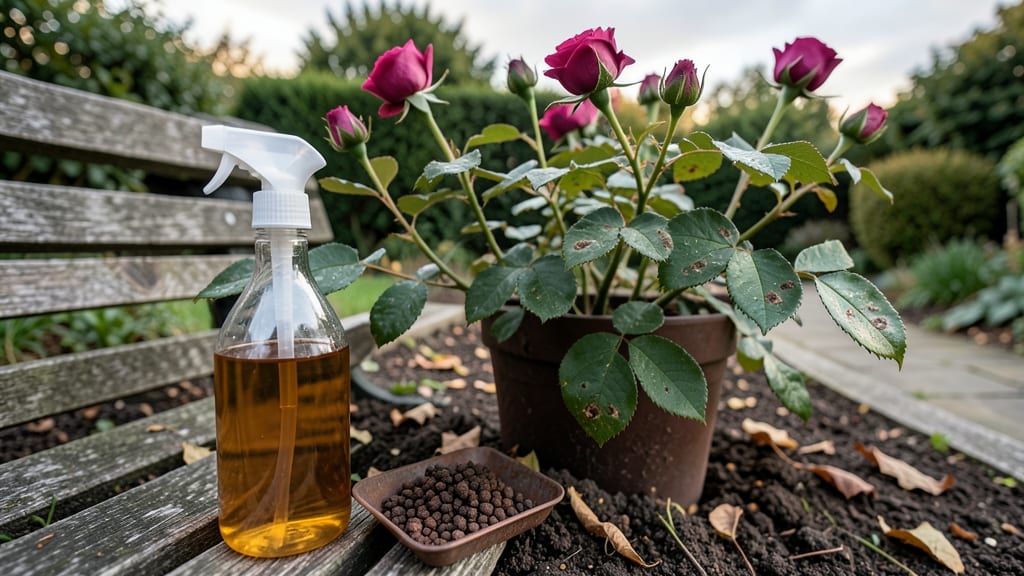
Learn how to treat brown spots on rose leaves naturally—because those unsightly marks don’t have to ruin your roses. 🌹 I’ve battled this myself, and these 3 simple steps will revive your blooms faster than you’d expect—no harsh chemicals needed.
The key is acting fast, identifying the right cause, and using treatments that actually work for roses (not just generic plant advice).
Most brown spots start with black spot fungus, but they can also signal environmental stress or nutrient issues. Look for dark, circular spots with yellow halos—this is your clue to act.
My roses turned around completely within 2 weeks after I adjusted watering, pruned properly, and applied the right organic spray. The secret? Targeting the root cause, not just the symptoms.
You’ll end up with vibrant green leaves and a bush bursting with blooms again. The treatments are simple—baking soda spray, neem oil, and proper pruning—and they prevent future outbreaks. No more wilting, yellowing, or those unsightly spots ruining your garden’s star attraction.
Works for all rose types—hybrid teas, floribundas, even those tricky climbers. The same principles apply whether you’re dealing with a single bush or a whole garden bed. Let’s get those roses back to their full glory!
Root Causes of Leaf Spots
Brown spots on rose leaves aren’t just an aesthetic issue—they’re often a sign that something’s off in your plant’s environment or health. Understanding the why behind these spots is the first step to fixing them.
Below, we break down the most common culprits, backed by science, so you can target the real problem.
Fungi like Diplocarpon rosae (black spot) and Marssonina rosae (angular leaf spot) thrive in damp, humid conditions. Here’s how they attack:
- Spores in the Air: Fungal spores float in the air and land on leaves, especially after rain or overhead watering. Once they find a moist surface, they germinate and penetrate leaf tissue. - Weakened Leaves: Roses stressed by poor nutrition, drought, or pests are more susceptible.
Fungi exploit these weaknesses, starting as tiny yellow specks that turn brown and expand. - High Humidity: Fungi love humidity above 75%. If your garden retains moisture (e.g., dense foliage, poor airflow), spores spread like wildfire.
💡 Pro Tip: Check for black or purple spots with yellow halos—classic signs of fungal infection. If leaves drop prematurely, fungi are likely the culprit.
Not all brown spots are fungal. Environmental factors can scorch or stress leaves, leading to dead patches:
- Sunburn: Intense afternoon sun (especially in hot climates) can bleach leaf tissue, causing crispy brown spots.
This often happens on leaves exposed to direct sunlight after a cold snap. - Water Stress: Underwatering causes edges to curl and brown, while overwatering leads to soggy roots and leaf discoloration.
Roses need consistent moisture—not too much, not too little. - Temperature Swings: Sudden cold snaps or heatwaves shock roses. If nighttime temps drop below 50°F (10°C) or daytime temps exceed 90°F (32°C), leaves may develop necrotic (dead) spots.
✨ Quick Fix: Mulch around rose bushes to regulate soil temperature and retain moisture. Water deeply in the morning to reduce evaporation.
Tiny pests can chew or pierce leaves, creating entry points for disease—or leaving brown marks behind:
- Spider Mites: These microscopic pests suck plant sap, causing stippled, brown patches (especially on undersides of leaves). They thrive in dry, hot conditions. - Japanese Beetles: Adult beetles skeletonize leaves, leaving behind brown, ragged edges.
Their larvae (grubs) also damage roots, weakening the plant. - Aphids: Clusters of these sap-suckers excrete sticky honeydew, which fosters sooty mold—a black, fuzzy fungus that smothers leaves.
🔥 Watch For: Tiny webs (mites), chewed holes (beetles), or sticky residue (aphids). A strong stream of water can knock pests off leaves temporarily.
Roses need balanced nutrition to fight off diseases. Deficiencies or toxicities in soil can manifest as brown spots:
| Nutrient Issue | Symptoms | Cause |
|---|---|---|
| Magnesium Deficiency | Brown spots between leaf veins | Poor soil, over-fertilization with nitrogen |
| Iron Chlorosis | Yellowing between veins + brown edges | Alkaline soil (pH > 7.0) or compacted roots |
| Potassium Deficiency | Brown leaf edges (like "scorching") | Overwatering or leaching nutrients away |
| Toxic Buildup | Brown, crinkled leaves | Excess salt, chlorine, or herbicide runoff |
💪 Solution: Test your soil’s pH (ideal: 6.0–6.5) and amend with compost or chelated iron if needed. Avoid synthetic fertilizers that disrupt balance.
Sometimes, the problem isn’t natural—it’s human-made:
- Herbicide Drift: Glyphosate or other broadleaf herbicides can bleach rose leaves if sprayed nearby.
- Chlorine in Water: Tap water high in chlorine can burn leaf edges over time.
- Overuse of Fungicides: Some chemical fungicides (like copper-based sprays) can cause phytotoxicity if applied incorrectly.
🎯 Prevention: Use rainwater or filtered water for roses, and spot-treat weeds with vinegar-based solutions instead of harsh chemicals.
Fixing Brown Spots Naturally
Now that you know the root causes behind those pesky brown spots on your rose leaves—whether it’s fungal infections, environmental stress, or nutrient deficiencies—it’s time to roll up your sleeves and bring your roses back to their vibrant best!
Below are practical, step-by-step solutions tailored to each culprit, plus prevention tips to keep your roses thriving long-term.
Fungal diseases like black spot, powdery mildew, or rust thrive in damp, humid conditions. Here’s how to eliminate them and prevent recurrence:
🔥 Step 1: Remove Infected Leaves Immediately
- Why? Fungal spores spread like wildfire—literally.
Cut off (don’t just pull) any leaves with brown spots, blackened edges, or powdery coatings. - How? Use sterilized pruners (wipe with rubbing alcohol) and dispose of infected foliage in the trash (not compost). - Pro Tip: 💡 If the spots are severe, prune 10-15% of the plant to improve airflow and reduce humidity.
🍳 Step 2: Apply a Fungicide (Natural or Store-Bought)
You don’t need harsh chemicals—these DIY sprays work wonders:
- Baking Soda Spray (for black spot & powdery mildew):
- Mix 1 tsp baking soda + 1 tbsp vegetable oil + 1 tsp mild soap + 1 gallon water.
- Spray under leaves (where spores hide!) every 7-10 days until spots disappear.
- Neem Oil Spray (broad-spectrum antifungal):
- Blend 1 tbsp neem oil + 1 tsp mild soap + 1 quart water.
Shake well and spray at dusk (avoids burning leaves). - Copper Fungicide (for stubborn cases): - Follow label instructions—this is a preventive powerhouse but use sparingly.
👨🍳 Step 3: Improve Air Circulation & Reduce Moisture
Fungi love stagnant, wet conditions.
Fix this by: - Thinning out crowded branches (aim for 6-12 inches between stems). - Watering at the base (not overhead) early in the day so leaves dry quickly. - Adding a 2-3 inch mulch layer (straw or shredded bark) to keep soil moist but roots dry.
⏰ Prevention Checklist for Fungal Recurrence
✅ Water deeply but infrequently (1-2x/week, depending on climate). ✅ Avoid overhead sprinklers—use drip irrigation or a soaker hose. ✅ Prune regularly to remove dead/diseased wood. ✅ Space roses 3-4 feet apart for airflow. ✅ Clean up fallen leaves weekly (fungi love hiding there!).
If brown spots are from sunburn, heat stress, or cold damage, your roses need better conditions + quick recovery care:
🔥 Step 1: Adjust Watering & Mulching
- Drought stress? Water deeply 2-3x/week (check soil—it should be 2-3 inches dry between waterings).
- Heat stress? Increase mulch to 3-4 inches (retains moisture, cools roots).
- Cold damage? Cover roses at night with frost cloth if temps drop below 25°F.
🍳 Step 2: Provide Shade (Temporarily)
- If new spots appear after a hot spell, partially shade roses (use shade cloth at 30-50% coverage) for 1-2 weeks.
- Morning sun is best—afternoon heat is the real villain.
🌿 Step 3: Boost Soil Health Stressed roses need nutrients to bounce back.
Try: - Compost tea (brew 1 part compost + 5 parts water, steep 24 hours, strain, and water plants). - Epsom salt soak (dissolve 1 tbsp Epsom salt in 1 gallon water) to replenish magnesium (common in stressed plants).
🎯 Prevention Tips for Environmental Damage
✨ Choose heat-tolerant rose varieties (e.g., ‘Knock Out’ roses, ‘Dr. Huey’). ✨ Avoid pruning in extreme heat (wait for cool mornings). ✨ Group roses with other plants to create a microclimate with more humidity. ✨ Use light-colored mulch (reflects heat better than dark mulch).
Brown spots from iron, magnesium, or nitrogen deficiencies? Fix the soil fast:
🔥 Step 1: Test Your Soil (DIY or Lab)
- Quick test: Crush soil in your hand—if it’s hard or clay-heavy, amend with compost or peat moss.
- For accuracy, send a sample to a local extension office (costs ~$20).
🍳 Step 2: Apply Targeted Fertilizers
| Deficiency | Symptoms | Fix It With | How to Apply |
|---|---|---|---|
| Iron (chlorosis) | Yellow leaves with brown spots | Iron chelate or Epsom salt | Spray on leaves or work into soil. |
| Magnesium | Brown edges on older leaves | Epsom salt (1 tbsp/gallon water) | Water at base every 2 weeks. |
| Nitrogen | Pale green leaves, stunted growth | Blood meal (organic) or fish emulsion | Sprinkle around roots, water in. |
🌡️ Step 3: Improve Drainage
- Compacted soil? Mix in perlite or coarse sand to aerate.
- Overwatered? Let soil dry between waterings—roses hate soggy roots!
💡 Pro Tips for Long-Term Soil Health
🔥 Top-dress with compost every spring and fall. 🔥 Use a balanced rose fertilizer (10-10-10 or 5-10-5) monthly in growing season. 🔥 Avoid synthetic fertilizers—they can burn roots; opt for organic slow-release options.
If brown spots spread rapidly despite your efforts, consider:
- A stronger fungicide (like Myclobutanil) for severe fungal outbreaks.
- Replacing heavily infected plants (some roses, like hybrid teas, are more susceptible).
- Consulting a local nursery for rose-specific advice in your climate.
Remember: 🌟 Prevention is the best cure! With proper watering, airflow, and soil care, your roses will stay spot-free and bloom beautifully all season. Happy gardening! 🌹
Frequently asked questions
Why do my rose leaves get brown spots even after pruning?
Brown spots can persist if the root cause—like fungal spores or nutrient deficiencies—isn’t fully addressed. Spores often linger on tools or soil, so sterilize pruners with rubbing alcohol and apply neem oil or baking soda spray after pruning. Also check soil pH and moisture levels.
Can I use vinegar to treat fungal brown spots on roses?
White vinegar can help as a natural fungicide, but use it carefully! Mix 1 part vinegar to 3 parts water and spray only on leaves (avoid stems/flowers). Test on a small area first—vinegar’s acidity can burn tender rose tissue if overused. Repeat every 7 days until spots clear.
How often should I apply organic fungicides to prevent spots?
For prevention, apply organic fungicides like neem oil or baking soda spray every 2-4 weeks during growing season (spring-fall). After rain or high humidity, reapply immediately. If spots appear, increase frequency to weekly until the problem resolves.
Will brown spots on rose leaves spread to other plants?
Fungal spores can jump to nearby plants, but not all brown spots are contagious. If spots are from black spot fungus, isolate infected roses immediately. For environmental causes (like sunburn), spots won’t spread. Always clean up fallen leaves and sterilize tools to minimize risk.
Can I still harvest roses with brown spots on leaves?
Yes, but remove any infected leaves first! Healthy stems and buds are safe to cut. Brown spots on leaves don’t affect flower quality, but prune affected foliage to redirect the plant’s energy to blooms. Just avoid harvesting from heavily diseased plants—focus on reviving their health first.