
Flowers
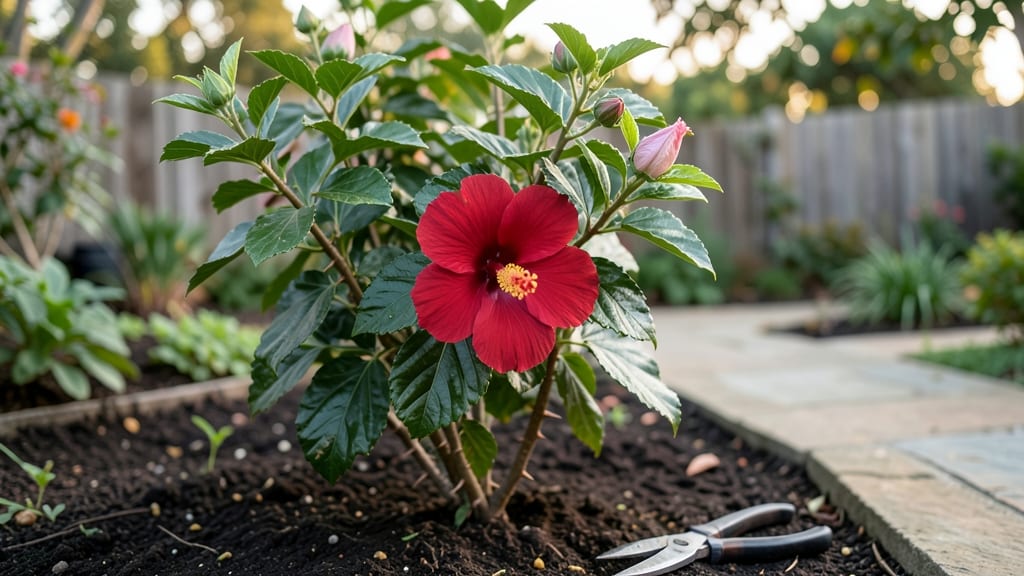
The botanical name of the China rose is Hibiscus rosa-sinensis, a tropical shrub prized for its vibrant flowers and ornamental value in gardens worldwide. It belongs to the mallow family (Malvaceae) and includes hundreds of cultivated varieties with distinct colors and forms.
The China rose, or Hibiscus rosa-sinensis, is a showstopper in tropical and subtropical gardens, thanks to its bold blooms and adaptability. 🌸 Unlike its hardier cousins like Hibiscus syriacus (the rose of Sharon), this species thrives in warmer climates and boasts a wider range of flower shapes—from delicate singles to dramatic doubles.
What makes it stand out is its versatility; gardeners can choose from dwarf varieties for containers to towering specimens for privacy screens, all while maintaining its signature five-petaled flowers in nearly every color imaginable.
This species' scientific name reflects its origins—rosa for its rose-like appearance and sinensis for its Chinese roots, though it's now cultivated globally.
The mallow family connection explains its large, palmate leaves and its ability to produce flowers year-round in frost-free zones. 🌿 Whether you're a botanist or a weekend gardener, understanding this plant's taxonomy helps you select the perfect cultivar for your space and climate.
💡 In This Article
- Hibiscus rosa-sinensis Classification and Taxonomy
- Identifying China Rose Varieties by Botanical Traits
Hibiscus rosa-sinensis classification and taxonomy
The China rose's scientific name, Hibiscus rosa-sinensis, reveals its botanical lineage within the genus Hibiscus, which contains over 200 species.
This particular species stands out due to its five-petaled flowers (technically called epipetalous stamens) and palmate leaves—a defining trait shared with its mallow family relatives like okra and cotton.
The name rosa-sinensis translates to "rose of China," reflecting its historical cultivation in East Asia, though it now thrives globally in USDA zones 9-11.
What sets H. rosa-sinensis apart from its cousins is its tropical adaptation. Unlike Hibiscus syriacus (rose of Sharon), which tolerates colder climates down to zone 5, this species requires consistent warmth and struggles below 30°F.
Its flowers also differ morphologically: while H. syriacus produces trumpet-shaped blooms, H. rosa-sinensis showcases ruffled petals in varieties like 'Paradise Pink,' with colors ranging from crimson to near-white. The plant's shrubby growth habit (3-15 feet tall) contrasts with Hibiscus moscheutos (swamp hibiscus), which grows in wetlands.
The mallow family's botanical signature appears in the China rose's leaf arrangement—alternate, palmately lobed leaves with serrated edges, resembling a maple's silhouette. These leaves play a crucial role in photosynthesis, enabling the plant to produce bright, showy flowers that attract pollinators like hummingbirds.
The flower's calyx (the green sepal base) often remains after blooming, forming a papery husk that persists for weeks—unlike annual hibiscus species that drop theirs immediately.
Historically, this species was classified under multiple synonyms, including Hibiscus syriacus var. rosa-sinensis, but genetic studies confirmed its distinct lineage. The cultivar 'Lady Stanley' (a deep red double bloom) exemplifies how selective breeding has expanded its natural color palette from the wild type's scarlet or yellow hues.
These variations occur due to anthocyanin pigment differences, where red flowers contain more cyanidin, while yellows rely on flavonoids. 🌺
For gardeners, understanding these traits helps in pruning strategies—cutting back in late winter encourages new growth, while preserving older stems maintains flower production. The plant's root system (fibrous and shallow) means it prefers well-draining soil, avoiding the waterlogged conditions that H. moscheutos thrives in.
This distinction explains why China roses often fail in northern gardens unless grown as potted specimens overwintered indoors.
What most people don't realize is that the China rose's flower structure—with its five fused petals and central column of stamens—mirrors its evolutionary adaptations for tropical pollinators. The stamens' positioning ensures efficient pollen transfer, while the petals' vibrant colors (often with darker centers) create visual cues for insects.
This intricate design is why hybridizers have created double-flowered varieties like 'Dwarf Red,' where petals replace stamens entirely, sacrificing fertility for aesthetic appeal.
To identify a true H. rosa-sinensis, look for these key markers: palmate leaves, epipetalous stamens, and persistent calyces. Unlike annual hibiscus (Hibiscus mutabilis), which changes color daily, this species maintains its hue—another clue to its botanical identity. 🌿