
Blooming
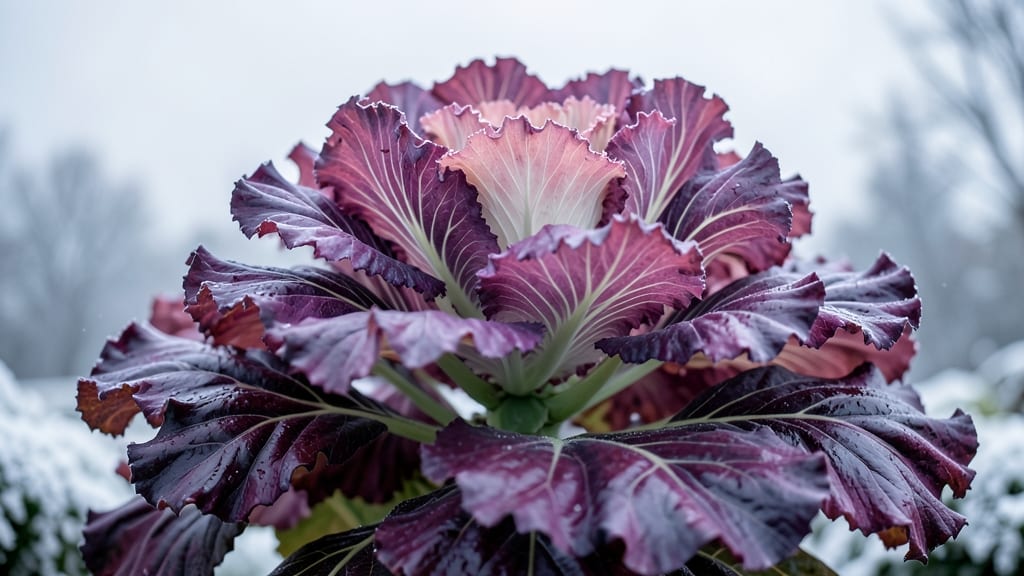
Cold weather doesn’t mean your garden has to fade into brown. These seven hardy flowers thrive in autumn and winter, bringing vibrant color and life to your outdoor spaces when most plants retreat. Perfect for gardeners in zones 4-8, these bloomers require minimal care while delivering maximum impact.
Pansies: Cold-Weather Cheerful Faces
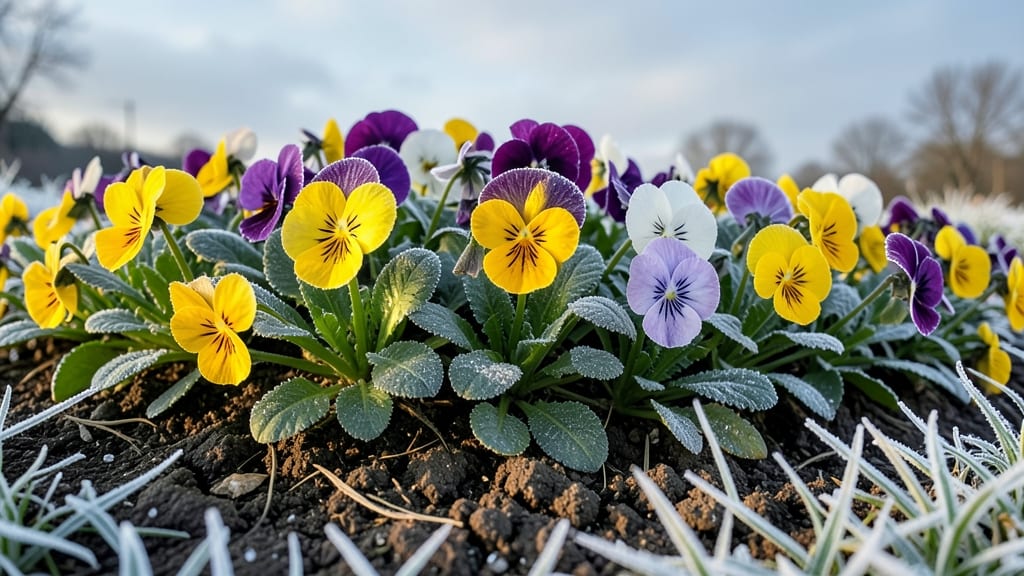
When frost paints the garden in silver, pansies burst into color like tiny, cheerful faces refusing to fade. These cold-hardy bloomers thrive in temperatures as low as 15°F, making them the perfect solution for gardeners craving late-season color without the fuss of tender annuals.
Plant them in well-draining soil with 4-6 hours of sun for continuous blooms from September through spring. Their drought-tolerant nature means less watering, and their compact size makes them ideal for containers, window boxes, or edging. Choose from classic purple, sunny yellow, or bi-color varieties to create a rainbow effect that lifts winter spirits.
Urban gardeners and first-time planters will love pansies—they’re as resilient as they are beautiful, often reblooming after light frosts. Just snip spent blooms to encourage more flowers, and you’ll have year-round cheer with almost no effort. 🌻
Snowdrops: Delicate Messengers of Winter
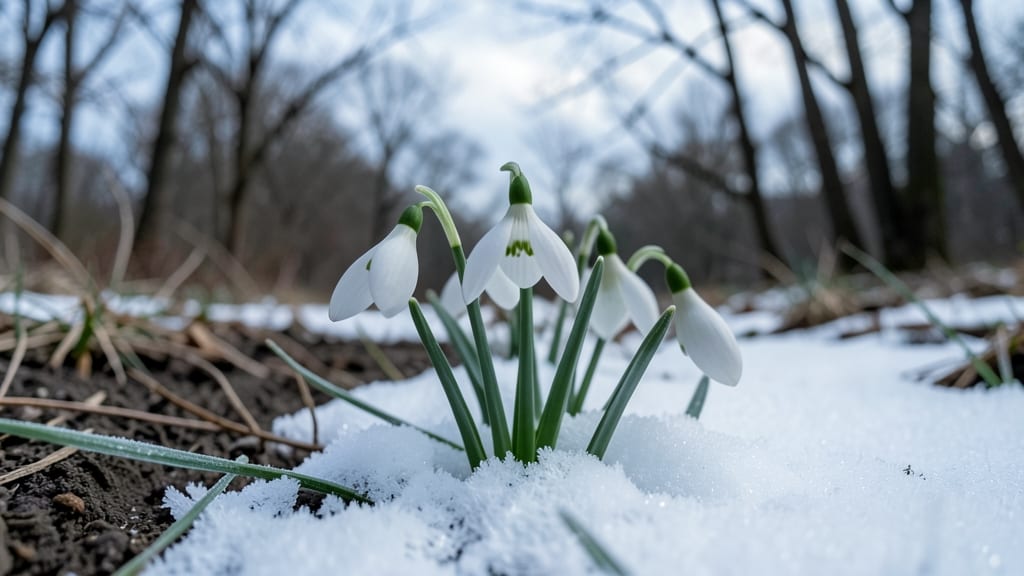
When winter feels endless, snowdrops arrive like tiny miracles—pushing through snow to announce spring’s promise. These hardy perennials (genus Galanthus) thrive in zones 3-8, making them one of the most resilient winter bloomers for northern gardens.
Plant them in partial to full shade under deciduous trees or in woodland gardens, where they’ll naturalize over time. Their delicate white flowers appear as early as December, often before snow melts, and they multiply effortlessly in well-drained, slightly acidic soil. A single bulb can produce clusters of blooms year after year, creating a carpet of hope in late winter.
Perfect for gardeners who love low-maintenance plants with high impact, snowdrops bring magic to shady corners where other flowers fear to tread. 🌱
Hellebores: Evergreen Winter Bloomers
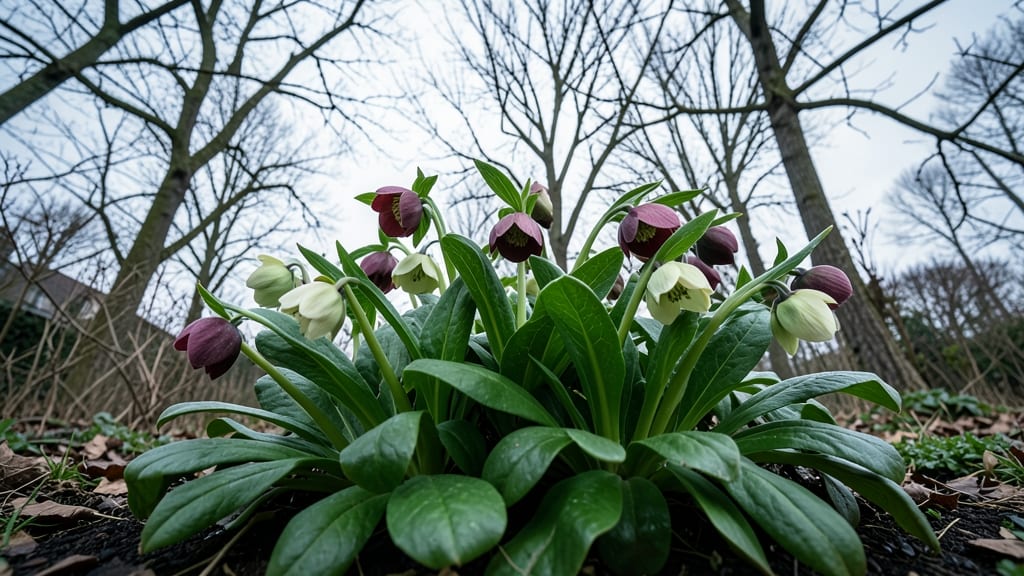
When your garden seems dormant under winter’s chill, hellebores defy expectations with their evergreen foliage and striking, nodding blooms that appear as early as December. These underappreciated stars thrive in shade where other plants fade, offering a unique mix of texture and color when your yard needs it most.
Also called Lenten roses, hellebores prefer partial to full shade and well-draining soil, making them ideal for woodland gardens or beneath trees. Their drought-tolerant nature means less watering once established, while their glossy leaves provide year-round interest. Varieties like Helleborus niger (Christmas rose) bloom in winter, while others like Helleborus orientalis shine in early spring.
Perfect for beginners or busy gardeners, hellebores require almost no maintenance beyond occasional division every few years. Their architectural blooms—ranging from deep purple to creamy white—add drama to shady corners where few other plants dare to grow. 💚
Winter Jasmine: Golden Winter Accent
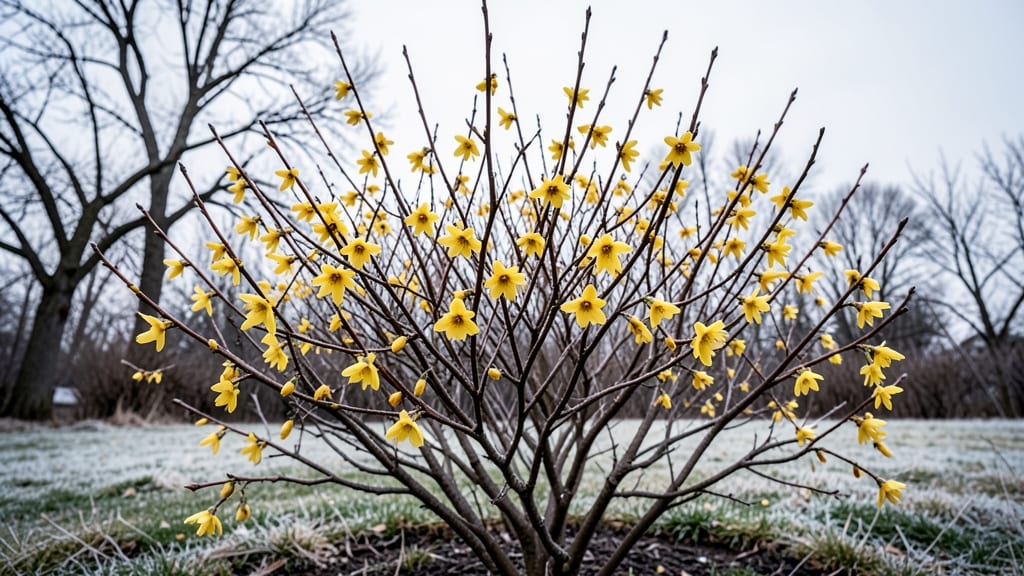
When winter landscapes feel stark and dormant, winter jasmine (Jasminum nudiflorum) arrives like a burst of sunshine with its bright yellow, star-shaped flowers that bloom from late winter through early spring. Unlike many winter bloomers, this deciduous shrub thrives in full sun to partial shade, making it one of the easiest ways to add vibrant color to walls, trellises, or even as a standalone specimen.
Native to China, winter jasmine is extremely cold-hardy (zones 6-9), tolerating temperatures down to -15°F, and its arching stems create natural movement as they cascade or climb. Prune back branches after flowering to encourage bushier growth, and watch as it transforms bare winter branches into a golden display. The flowers are sterile, so they won’t spread invasively, making them a low-maintenance choice.
Perfect for urban gardeners or small spaces, winter jasmine’s cheerful blooms attract early pollinators like bees, giving your garden a head start on spring. Plant it near entryways or patios to enjoy its fragrant, sunny presence when you need it most. 🌻
Cyclamen: Fragrant Winter Jewels
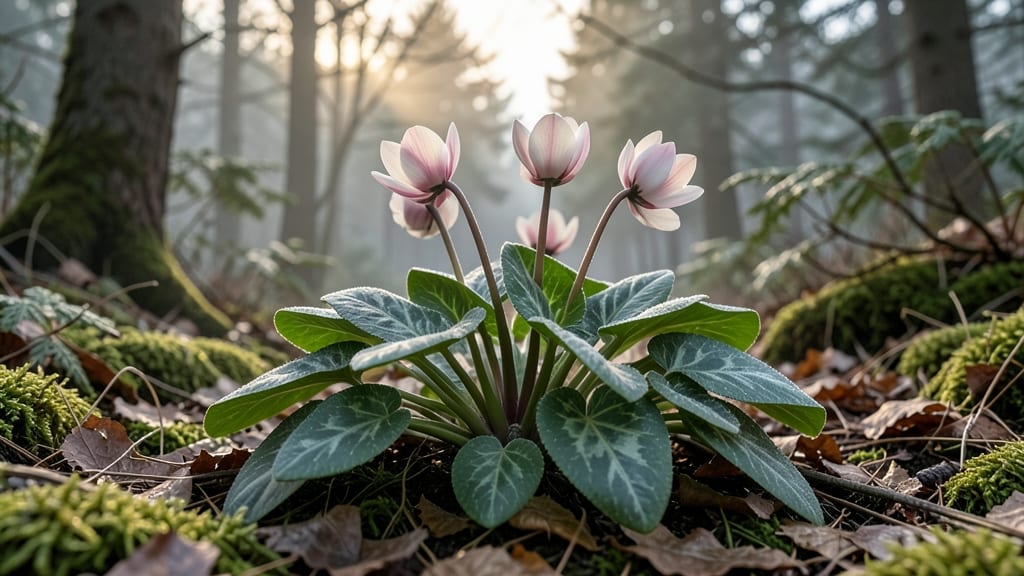
When you crave a touch of romance in your winter garden, cyclamen delivers with its heart-shaped leaves and dainty pink or white blooms that appear like magic in cool, shaded spots. Unlike many winter flowers, cyclamen thrives in temperatures as low as 20°F, making it a reliable choice for zones 5-9 where frost is common.
These plants grow from underground bulbs, which means they’ll survive winter dormancy and return year after year with minimal care. Plant them in well-draining soil under trees or shrubs where they’ll enjoy morning sun and afternoon shade. Water sparingly—overwatering causes rot—and avoid disturbing the bulbs once planted, as they resent transplantation.
Perfect for urban gardeners with limited space or shade-loving gardeners, cyclamen adds a refined touch to containers, borders, or woodland gardens. Their fragrant blooms and silvery foliage create a winter wonderland effect that’s both elegant and effortless. 🌷
Sweetbox: Evergreen Perfume in Winter
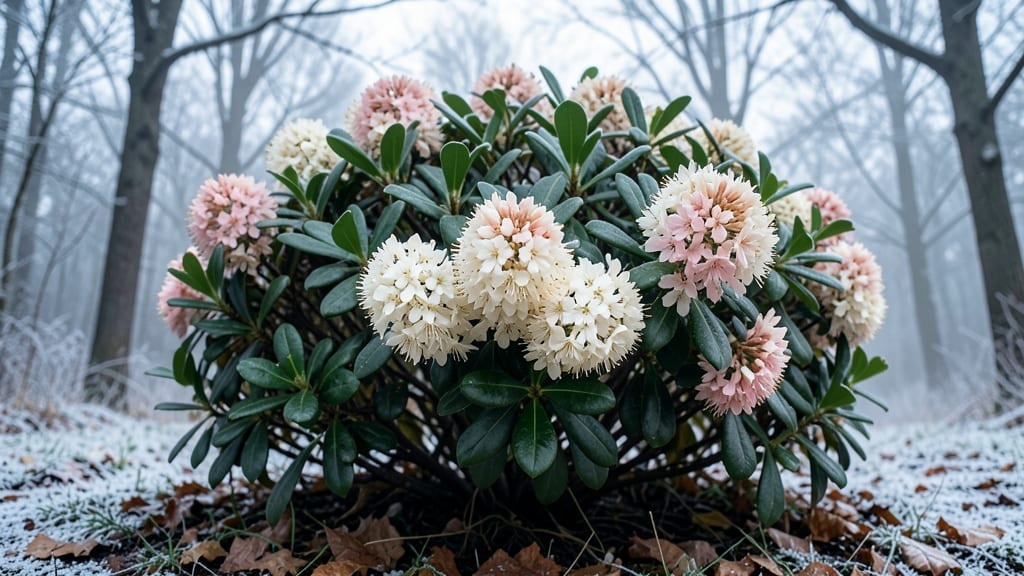
When your garden feels dormant under winter’s chill, the sweetbox shrub arrives like a fragrant surprise, transforming bare spaces into aromatic havens. Its clusters of tiny white or pink flowers burst forth in late winter, releasing a sweet, almost honey-like scent that lingers in the crisp air—perfect for masking winter’s barren branches.
Thriving in partial shade to full sun, sweetbox adapts effortlessly to hedges, borders, or as a striking specimen. Prune lightly after flowering to maintain shape, and enjoy its evergreen foliage year-round, which stays lush even in freezing temperatures. This low-maintenance shrub is ideal for urban gardeners or anyone craving a sensory boost during winter’s quietest months.
Whether you’re lining a path or adding height to a foundation planting, sweetbox delivers both beauty and fragrance with minimal effort. 🌿
Christmas Rose: Dramatic Winter Beauty
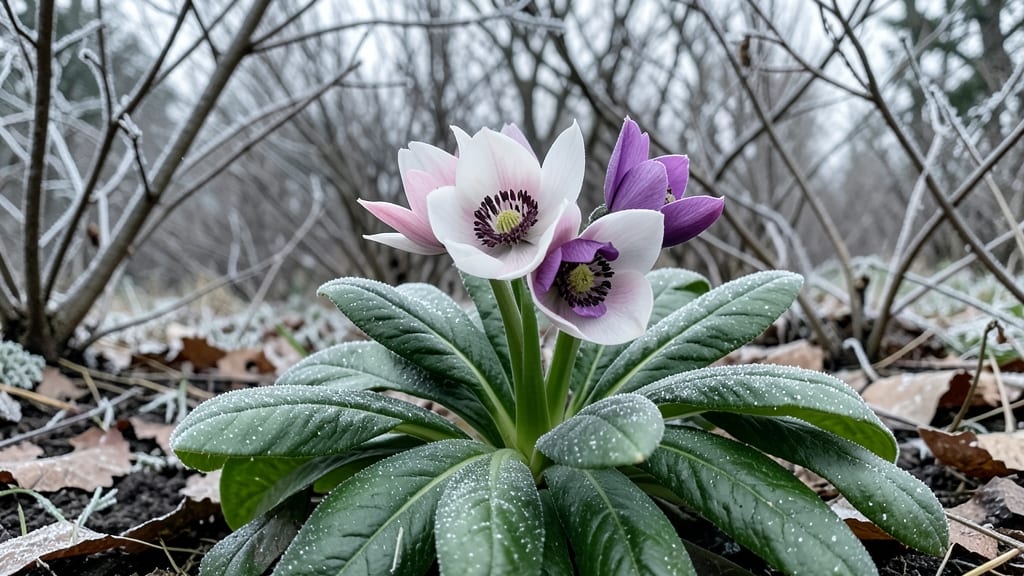
When your garden feels like it’s taking a winter nap, the Christmas rose (Helleborus niger) wakes up to deliver its stunning, cup-shaped blooms in white, pink, or deep purple. Unlike other winter flowers, its bold, evergreen foliage provides year-round structure, while its late-winter flowers (December–February) create a magical focal point in shaded spots where most plants struggle.
This hellebore relative thrives in partial to full shade, making it perfect for woodland gardens, under trees, or along north-facing walls. Plant it in well-draining, slightly acidic soil and water moderately—once established, it’s drought-tolerant and nearly maintenance-free. Deadhead spent blooms to encourage more flowers, and protect young plants from slugs, which adore their tender leaves.
Gardeners in zones 4–8 will appreciate its resilience, while those with dark corners or shady patios will love how it transforms dull spaces into winter wonders. It’s the ultimate low-light superstar for adding drama without fuss. ✨