
Blooming
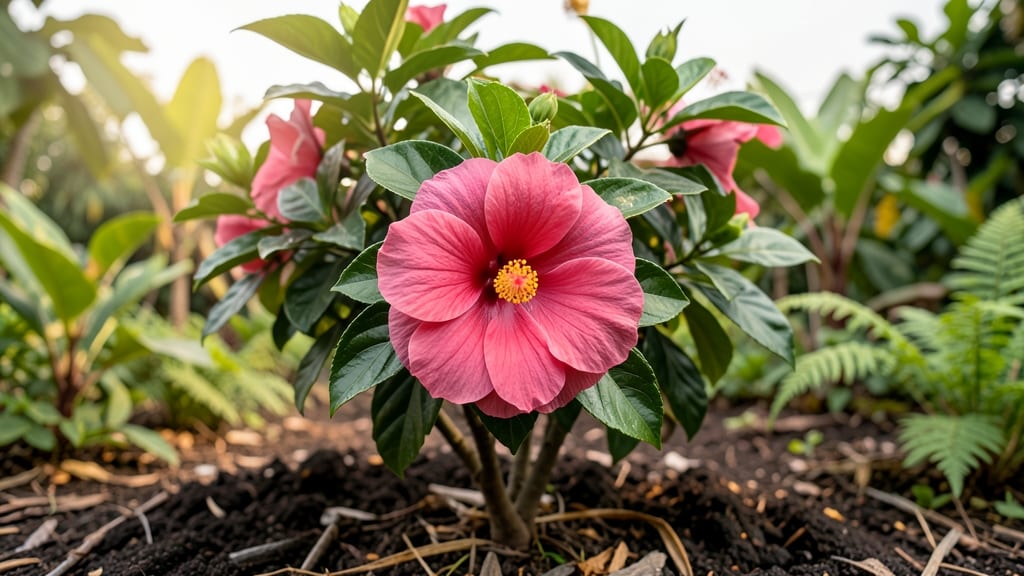
Double bloom hibiscus plants are the showstoppers of my summer garden—those velvety, dinner-plate blooms that keep coming back with almost no deadheading. 🌸 The secret lies in how you feed them, prune them, and keep them happy through the seasons, not just in peak bloom months.
These beauties thrive in full sun (at least 6-8 hours daily) and well-draining soil—think rich, slightly acidic mix with compost. Water deeply 2-3 times a week in summer, but let the top inch dry between soakings.
Overwatering is the #1 way to kill their blooming potential, so I always check the soil before reaching for the hose.
What makes them special is their year-round potential with the right care. A light pruning after each flush of blooms keeps them compact and encourages more flowers.
Feed them with a balanced bloom booster every 4-6 weeks, and you’ll see those double layers of petals appearing faster than you can snap photos.
Even in cooler months, they’ll reward you with occasional blooms if you keep them protected from frost and adjust watering. The key is consistency—same sunlight, same feeding, same love—and you’ll have a hibiscus that looks like it belongs in a tropical paradise, not your backyard.
📚 In This Guide
- What you need
- Instructions
- Tips and common mistakes
- Wrapping up and next steps
What you need
- ● Double bloom hibiscus plant: Choose a healthy, disease-free specimen (bare-root or potted, depending on planting method). Pro tip: Look for varieties like 'Dwarf Red,' 'Lilac,' or 'Pink Giant' for compact, showy blooms!
- ● Well-draining potting mix: 5–10 gallons (for containers) or amend garden soil with 50% compost and 30% perlite/sand to prevent root rot.
- ○ Container (optional but ideal): Minimum 15–20 gallons for mature plants (deeper is better!).
- ● Drainage holes (non-negotiable!).
- ● Lightweight material (fabric or plastic) for easy moving.
- ● Slow-release fertilizer: A 10-10-10 or 14-14-14 blend (2–3 tbsp per plant at planting time).
- ● Pruning shears: Sharp, bypass-style shears (sterilize with rubbing alcohol between cuts!).
- ● Mulch: 2–3 inches of organic mulch (pine bark or straw) to retain moisture and regulate soil temp.
- ● Watering can or hose with adjustable nozzle: Hibiscus loves deep watering (1–2 gallons per plant, 2–3x weekly).
- ○ Support stake (optional for outdoor plants): A 5–6 ft bamboo stake if your variety grows tall (e.g., 'Tropical Sunset').
- ● Epsom salt: 1 tbsp/month dissolved in water for magnesium boost (prevents yellowing leaves).
- ● Hibiscus-specific liquid fertilizer: For a monthly mid-season feed (e.g., Miracle-Gro Bloom Booster).
- ● Shade cloth (30–50% coverage): Protects from harsh afternoon sun in hot climates (Zone 9+).
- ● Humidity tray: A pebble tray with water to boost moisture in dry indoor settings.
- ● Deadheading scissors: Small, clean scissors for snipping spent blooms (keeps the plant tidy!).
Step-by-Step instructions for cultivating a year-round double bloom hibiscus
Here's how to coax your hibiscus into continuous flowering with minimal effort—no daily deadheading required.
🌱 Step 1: Select and Prune for Optimal Growth Structure
Choose a healthy 4-6 foot tall hibiscus plant with multiple strong stems. I always look for plants with at least 3-5 main branches—these will become your flowering framework. Use clean, sharp pruners to trim back any leggy growth by 1/3 of its length in early spring. This shock encourages bushier growth and more flower buds.
Cut just above a leaf node where new growth will emerge. Avoid shearing the tips—this creates weak, sparse growth. Instead, make clean cuts at 45-degree angles to prevent water pooling. The goal is to open up the plant's center for better airflow and sunlight penetration, which directly translates to more blooms.
☀️ Step 2: Position for Maximum Sunlight and Heat
Hibiscus crave full sun exposure (6-8 hours daily), but they also need protection from harsh afternoon sun in hot climates. I place mine where they get morning sun and afternoon shade—think east-facing patio or slightly filtered western exposure. In containers, rotate the pot quarter-turn weekly to prevent lopsided growth toward the light source.
During summer heatwaves, I notice the leaves start curling slightly—that's your plant's way of conserving water. At this point, move to partial shade and increase watering frequency. The key is maintaining 65-85°F soil temperatures—colder roots produce fewer blooms, while overheated roots stress the plant.
💧 Step 3: Implement Strategic Watering and Fertilizing
Water deeply 2-3 times weekly during growing season, always until water runs out the drainage holes. I use the finger test—stick your index finger 2 inches into soil. If it feels dry, water; if damp, wait. Overwatering causes root rot, which kills blooms faster than anything else. For container plants, I add 1/4 cup of liquid fertilizer every 4-6 weeks during spring and summer.
Here's the trick for double blooming: switch to a high-phosphorus fertilizer (10-20-10 ratio) in early spring. Phosphorus promotes root and flower development. I also top-dress with 1/2 cup compost every 3 months to build organic matter—this keeps the soil structure loose and roots well-aerated for continuous blooming.
✂️ Step 4: Minimal Deadheading for Year-Round Flowers
The secret to minimal deadheading lies in timing. Remove spent blooms by cutting the stem 1/4 inch above the next leaf node—this encourages new buds to form at that junction. I do this every 3 days during peak bloom season (spring to fall), but only when I see 30-40% of flowers wilting. This selective approach prevents over-pruning while maintaining flower production.
For winter blooming, reduce deadheading to once weekly and focus only on the largest, most mature flowers. The plant naturally slows down, but with proper care, you'll still see sporadic blooms. I always leave a few spent blooms on the plant—they provide visual interest and can develop into seed pods that may bloom again next season.
🪴 Step 5: Winter Care for Continuous Blooming Potential
As temperatures drop below 50°F, move container plants to a sheltered location or bring indoors near a south-facing window. I never let hibiscus experience temperatures below 40°F—this causes permanent damage to the plant's growth points. Reduce watering to once weekly and stop fertilizing completely until spring.
Here's where most gardeners fail: don't trim back the plant in winter. Instead, lightly prune to remove only dead or diseased branches. The remaining structure has stored energy that will fuel early spring blooms. In late winter, I start a weekly misting routine to increase humidity—this mimics tropical conditions and prevents bud drop.
Tips & tricks for perfect year-round hibiscus blooms
Here's what I've learned after years of coaxing hibiscus into nonstop flowering—these are the game-changers that separate occasional blooms from continuous color.
Pruning Precision: When you're trimming leggy growth in Step 1, focus on removing branches that are growing toward the center of the plant. These compete with your main stems for energy and sunlight. I make my cuts just above a leaf node where you can see a small bump—the new growth will emerge from there. This creates a more open structure that catches more light, which directly translates to more flower buds forming. The 45-degree angle cuts aren't just for looks—they prevent water from pooling at the cut site, reducing rot risk.
Sunlight Strategy: The 6-8 hours of sunlight in Step 2 is non-negotiable, but here's the pro move: use reflective surfaces. Place your hibiscus near a light-colored wall or use a white tray under the pot to bounce extra light onto the plant. During summer heatwaves, when you notice leaf curling, that's your plant's way of telling you it's getting too much direct afternoon sun. Move it to partial shade for just 2-3 hours in the hottest part of the day—this prevents stress while still giving it enough light to keep blooming. The 65-85°F soil temperature range is crucial because cooler roots slow down flower production entirely.
Fertilizer Timing: That high-phosphorus fertilizer in Step 3 works wonders, but here's the secret application: mix it with water and apply it directly to the soil surface rather than pouring it around the base. This encourages root growth where you want it—deeper in the soil profile. The 1/2 cup compost every 3 months builds organic matter that improves soil structure, which is especially important for container plants. I've found that hibiscus in containers actually bloom more prolifically when the roots are slightly root-bound—this creates a stress response that triggers more flowers. Just be careful not to let the roots circle the pot completely.
Deadheading Discipline: The every-3-days deadheading in Step 4 might seem frequent, but here's why it works: hibiscus respond to this regular stimulation by producing new buds at the cut points. When you see 30-40% of flowers wilting, that's your cue to act. I use clean, sharp pruners and always make my cuts at that 1/4-inch mark above the next leaf node—this precision prevents disease transmission and encourages strong new growth. For winter blooming, the once-weekly approach gives the plant time to recover between blooms, but still maintains some production when most gardeners see nothing.
Pro Tips for Double Bloom Hibiscus Plant
- Here's what I've learned after years of coaxing hibiscus into nonstop flowering—these are the game-changers that separate occasional blooms from continuous color.
- Pruning Precision: When you're trimming leggy growth in Step 1, focus on removing branches that are growing toward the center of the plant.
- Sunlight Strategy: The 6-8 hours of sunlight in Step 2 is non-negotiable, but here's the pro move: use reflective surfaces.
Frequently asked questions
Got questions about your double bloom hibiscus? You’re not alone!
Here are answers to the most common queries—from care tips to troubleshooting—to keep your plant thriving with minimal deadheading and year-round blooms.
How often should I deadhead my double bloom hibiscus?
Deadhead double bloom hibiscus only when necessary—unlike single-bloom varieties, these beauties often rebloom without it! Prune spent flowers 1-2 times a month during peak bloom (spring/fall) to encourage new growth. Skip deadheading in winter when the plant rests. Pro tip: Use clean, sharp shears to avoid damaging stems.
Why isn’t my double bloom hibiscus reblooming?
Reblooming hiccups often stem from light, nutrients, or stress. Ensure it gets 6+ hours of sunlight daily and fertilize monthly with a balanced bloom booster (like 10-10-10). Overwatering or sudden temperature drops can also halt blooms. Try this: Move it to a warm, sunny spot and reduce watering slightly if soil feels soggy.
Can double bloom hibiscus survive winter outdoors?
Most double bloom hibiscus are tropical/subtropical and need protection below 50°F (10°C). In cold climates, bring potted plants indoors or wrap outdoor plants in burlap and mulch heavily. Avoid drafts—hibiscus hate cold winds! If leaves yellow, it’s likely chill stress, not disease.
What’s the best fertilizer for double bloom hibiscus?
Use a low-nitrogen, high-phosphorus fertilizer (e.g., 5-10-10 or 3-4-6) to promote blooms, not leaves. Feed every 4-6 weeks during growing season (spring-fall) and reduce in winter. Avoid high-nitrogen fertilizers—they’ll give you foliage, not flowers!
Why are my hibiscus leaves turning yellow?
Yellow leaves usually mean overwatering, nutrient deficiency, or pests. Check soil moisture—hibiscus prefer slightly dry soil between waterings. If roots smell rotten, repot in fresh, well-draining mix. Inspect undersides of leaves for spider mites or aphids (treat with neem oil if found).
Are there alternatives to double bloom hibiscus for low-maintenance color?
Yes! Try these reblooming, low-fuss plants:
All love sun and well-draining soil!
Wrapping up and next steps
The double bloom hibiscus is a stunning, low-maintenance plant that rewards you with vibrant, long-lasting blooms—even without constant deadheading! 🌺 With the right care, you’ll enjoy its lush foliage and dramatic flowers year-round, making it a standout addition to any garden or patio.
Whether you’re a seasoned gardener or just starting out, this resilient beauty is ready to thrive with just a little attention.
Ready to bring more color to your space? Start by choosing your favorite variety, then give your double bloom hibiscus the love it deserves—soon, you’ll be basking in its radiant, double-petal glory! 🌿✨