
Succulent
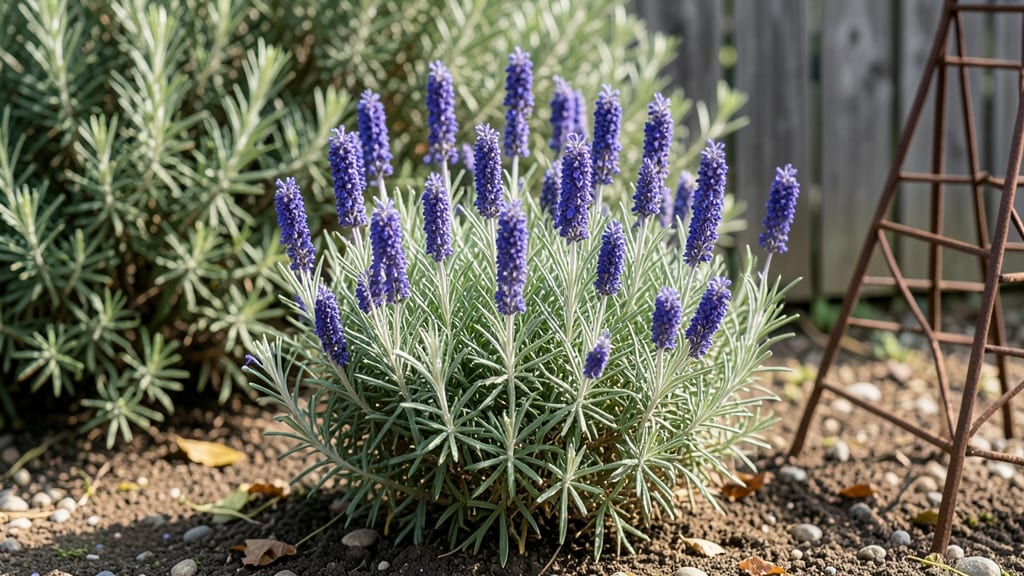
Your container garden just got a stunning upgrade with Blue Tuscan rosemary. 🌿 This Mediterranean powerhouse thrives in pots, offering silvery-blue foliage that brightens any space while staying drought-tolerant and versatile.
Unlike its green cousins, this variety handles heat better and keeps its striking color year-round—perfect for small spaces or sunny patios.
The secret to growing it successfully lies in well-draining soil and full sun (at least 6 hours daily). I’ve found that a mix of cactus/succulent potting soil with perlite works best, and watering only when the top inch feels dry prevents root rot.
Overwatering is the #1 killer, so let that soil dry out completely between drinks—this plant is tougher than it looks.
By summer, you’ll be harvesting fragrant sprigs for cooking or snipping them back to encourage bushier growth. The needles stay tender longer than regular rosemary, making them ideal for roasting meats, infusing oils, or garnishing dishes. Plus, the aromatic foliage repels pests naturally, doubling as a living garden guard.
For winter care, move containers indoors near a sunny window if temperatures dip below 20°F, but keep watering light. Prune lightly in early spring to shape the plant—just avoid cutting into old wood, as it won’t regrow.
With minimal effort, this herb becomes a year-round star in both garden and kitchen.
📚 In This Guide
- What you need
- Instructions
- Tips and common mistakes
- Wrapping up and next steps
What you need
- ● Blue Tuscan Rosemary Plant: 1 healthy, well-rooted specimen (check for Salvia rosmarinus ‘Blue Spires’ or similar cultivars).
- ● Container: At least 12–18 inches in diameter and depth (terracotta or fabric pots work best for drainage).
- ● Well-Draining Soil: 3–5 gallons of a cactus/succulent mix (or DIY: 60% potting soil + 30% perlite + 10% coarse sand).
- ● Drainage Layer: 1–2 inches of gravel, pumice, or lava rocks (prevents root rot!).
- ○ Slow-Release Fertilizer: 1 tbsp of balanced granular fertilizer (10-10-10) (optional but recommended for first planting).
- ● Gloves & Hand Trowel: For easy handling and soil work.
- ● Watering Can: With a narrow spout (avoids oversaturating the soil).
- ● Pruning Shears: Small, sharp pair for trimming (sterilize with rubbing alcohol!).
- ○ Mulch (Optional): ½ inch of gravel or pebbles (keeps soil moist and deters weeds).
- ○ Sunlight Monitor (Optional): A light meter app or timer to track 6+ hours of daily sun.
Step-by-step guide to growing blue Tuscan rosemary in containers
This striking variety thrives in pots—here’s how to cultivate it with vibrant blue foliage and that classic piney aroma.
🪴 Step 1: Select the Right Container and Soil Mix
Blue Tuscan rosemary needs excellent drainage, so choose a container with multiple drainage holes—terracotta pots work best. Aim for at least a 12-inch diameter per plant to accommodate its woody roots and upright growth habit. I always add a 2-inch layer of gravel or coarse sand at the bottom to prevent root rot.
Use a well-draining potting mix—never garden soil. I blend 50% premium potting mix with 50% perlite or coarse sand to replicate Mediterranean conditions. This prevents compaction and mimics the rocky soils where rosemary naturally thrives. Fill the pot to 1 inch below the rim and tap gently to settle the mix.
🌱 Step 2: Plant and Position for Full Sun
Dig a hole slightly deeper than the root ball of your Blue Tuscan rosemary plant. Gently remove it from its nursery pot and loosen any circling roots with your fingers. Place it in the center of the container, ensuring the top of the root ball sits just below the soil line—never bury the stem.
Fill around the roots with your prepared mix, pressing lightly to eliminate air pockets. Water deeply until moisture drains from the bottom holes. Blue Tuscan rosemary demands full sun (6+ hours daily)—place it in a south-facing spot or under a grow light if indoors. Without enough light, the foliage loses its striking blue hue and grows leggy.
💧 Step 3: Water and Fertilize for Optimal Growth
Let the top 2 inches of soil dry out completely between waterings—rosemary hates soggy roots. I use a spray bottle for light misting in summer to mimic Mediterranean rainfall patterns. Overwatering is the fastest way to kill this drought-tolerant herb, so resist the urge to water on a schedule. Instead, check the soil with your finger—it should feel dry and crumbly before watering again.
Fertilize lightly in spring with a balanced, water-soluble fertilizer (10-10-10) diluted to half strength. Rosemary doesn’t need much—too much fertilizer encourages leafy growth at the expense of aromatic oils. After the first flush of new growth, switch to organic compost tea every 4-6 weeks to maintain soil health without overfeeding.
✂️ Step 4: Prune and Harvest for Bushier Growth
Prune Blue Tuscan rosemary in late spring to encourage dense, bushy growth. Use clean, sharp pruners to trim back one-third of the oldest stems just above a leaf node. This stimulates new growth from the base and maintains the plant’s compact shape. Avoid heavy pruning in fall—it reduces winter hardiness.
Harvest sprigs anytime by snipping just above a set of leaves. The best time is early morning when essential oils are most concentrated. Never take more than one-third of the plant at once—this herb grows slowly but steadily. After harvesting, give the plant a light watering to replenish moisture lost through the cut stems.
☀️ Step 5: Overwintering for Year-Round Productivity
If temperatures drop below 20°F, move your container to a sheltered spot or bring it indoors near a sunny window. Rosemary can survive light freezes, but prolonged cold weakens the plant. Reduce watering in winter—soil stays moist longer without active growth. A grow light helps maintain foliage color if natural light is limited.
In early spring, trim any dead or leggy growth and refresh the top 2 inches of soil with fresh potting mix. This jumpstarts growth and prevents nutrient depletion. With proper care, your Blue Tuscan rosemary will reward you with vibrant blue foliage and aromatic sprigs for years—perfect for culinary and ornamental use alike.
Tips & tricks for perfect blue Tuscan rosemary cultivation
Here's what I learned after years of growing this stunning herb—these tricks make all the difference between mediocre and showstopping blue foliage.
Container Selection: While terracotta is ideal, avoid glazed containers—they trap moisture and cause root rot. I've had success with fiberglass pots too, but always check for drainage holes. For small spaces, consider vertical planters with built-in drainage systems. The 12-inch diameter minimum is non-negotiable—this herb's woody roots need room to establish properly.
Soil Mix Science: The 50/50 blend of premium potting mix and perlite/sand isn't just arbitrary—it mimics Mediterranean rocky soils where rosemary thrives naturally. For extra insurance, add a handful of crushed granite to your mix. This prevents compaction and allows roots to breathe. I've seen plants in regular garden soil struggle with poor drainage, even with drainage holes.
Lighting Strategy: When indoor growing, position your plant within 12 inches of a south-facing window. If using grow lights, LED full-spectrum bulbs work best—place them 6-8 inches above the plant for 12-14 hours daily. I've noticed the blue hue intensifies dramatically with proper light exposure. In winter, supplement with a timer-controlled grow light to maintain that vibrant color.
Pruning Technique: When trimming back one-third of oldest stems in late spring, cut at a 45-degree angle just above a leaf node. This creates a larger surface area for new growth while preventing water from pooling on the cut. I always sterilize my pruners with rubbing alcohol between cuts to prevent disease transmission—this herb is surprisingly susceptible to fungal issues when stressed.
Pro Tips for Blue Tuscan Rosemary
- Here's what I learned after years of growing this stunning herb—these tricks make all the difference between mediocre and showstopping blue foliage.
- Container Selection: While terracotta is ideal, avoid glazed containers—they trap moisture and cause root rot.
- Soil Mix Science: The 50/50 blend of premium potting mix and perlite/sand isn't just arbitrary—it mimics Mediterranean rocky soils where rosemary thrives naturally.
Frequently asked questions
Got questions about growing and using Blue Tuscan Rosemary? You’re not alone!
Here are some of the most common queries—and their answers—to help you master this stunning Mediterranean herb in containers.
Is Blue Tuscan Rosemary hard to grow in containers?
Not at all! This variety thrives in containers as long as you provide well-draining soil and a sunny spot (6+ hours of light daily). Just avoid overwatering—its silvery-blue foliage signals drought tolerance, but soggy roots will cause root rot. A 6-inch pot or larger with drainage holes works perfectly for small plants.
How long does it take for Blue Tuscan Rosemary to grow in a container?
You’ll see noticeable growth within 4–6 weeks if planted in spring or early summer, with ideal conditions. For established plants, expect 1–2 feet of height and spread within a year. Prune regularly to encourage bushiness—just snip back by ⅓ after flowering to maintain shape and promote new growth.
Can I use Blue Tuscan Rosemary the same way as regular rosemary?
It’s culinary-safe and has a similar flavor—earthy, piney, and slightly citrusy—but with a milder, sweeter profile. Use it fresh or dried in dishes like roasted meats, Mediterranean salads, or homemade bread. The blue hue also makes it a gorgeous garnish for cocktails or platters.
Does Blue Tuscan Rosemary survive winter in containers?
In USDA Zones 8–10, it’s perennial and can overwinter outdoors. For colder zones (below 20°F), move pots to a protected spot (like a garage or under eaves) or bring them indoors near a sunny window. Reduce watering in winter—overwatering is the #1 killer for dormant plants!
What if my Blue Tuscan Rosemary turns brown or crispy?
Brown edges or crispiness usually mean overwatering or underwatering. Check the soil: if it’s bone-dry, water deeply; if soggy, let it dry out before watering again. Also, ensure your container has drainage holes and avoid placing it in standing water. A mulch layer (like gravel) can help regulate moisture.
Are there alternatives to Blue Tuscan Rosemary for containers?
If you love the look but want variety, try these container-friendly herbs with similar care needs:
- Prostrata Rosemary – Trailing, drought-tolerant, and great for hanging pots.
- Lavender – Fragrant, purple blooms, and thrives in poor soil.
- Thyme (Creeping or Lemon) – Low-growing, heat-loving, and pest-resistant.
- Dwarf Oregano – Compact, flavorful, and perfect for small spaces.
Wrapping up and next steps
Bringing Blue Tuscan Rosemary into your container garden isn’t just about adding a pop of color—it’s about embracing the flavor and resilience of the Mediterranean. This hardy, drought-tolerant herb thrives with minimal fuss, rewarding you with fragrant foliage and culinary versatility.
Whether you’re a seasoned gardener or a beginner, its adaptability makes it the perfect addition to patios, balconies, or even sunny windowsills. 🌿
Ready to grow your own? Start small—pick a sunny spot, grab your supplies, and let this blue beauty transform your space (and your meals!). Plant your first cutting today, and soon you’ll be harvesting fresh, aromatic rosemary straight from your container. Your Mediterranean oasis awaits!