
Planting
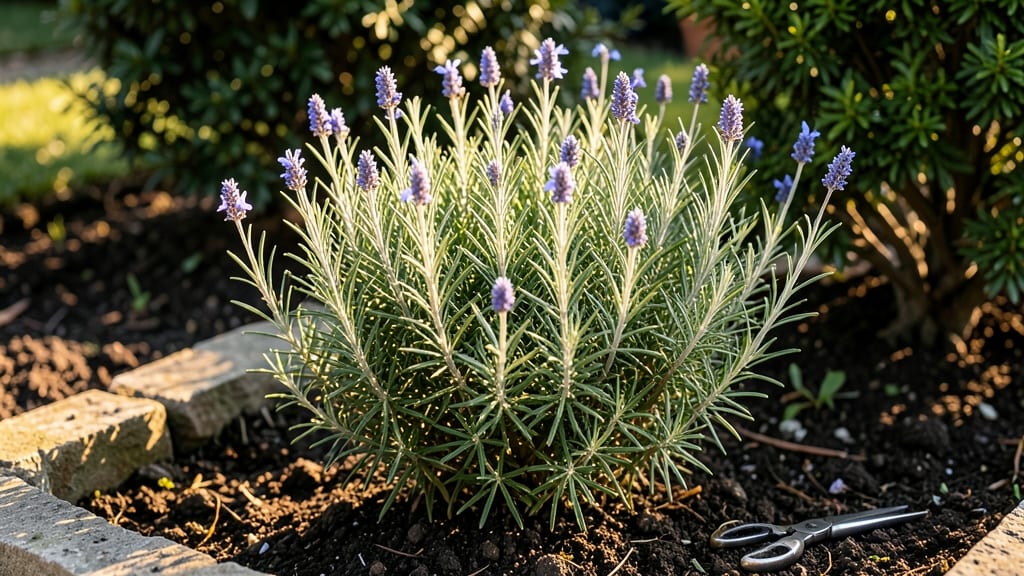
The height of a rosemary plant can reach anywhere from 1 to 6 feet, depending on the variety and growing conditions you provide.
If you’ve ever wondered why your rosemary plant suddenly looks like a wild shrub instead of a neatly pruned herb, understanding its variety-specific height is the first step to controlling its growth—and maximizing your harvest.
Some rosemary varieties, like the popular Tuscan Blue, naturally stay compact at 2 to 3 feet, while others, such as Hill Hardy, can tower up to 6 feet if left unchecked. The difference comes down to pruning, sunlight, and even the container size you choose.
In this guide, I’ll break down how to manage rosemary height whether you’re growing it in a pot or a garden bed, plus the best pruning tips to keep it at your desired size all year round.

Rosemary plant height by variety: growth chart and mature size guide
Rosemary isn’t just one-size-fits-all—its height and spread vary dramatically by variety.
Whether you’re growing Tuscan Blue for its striking blue-green foliage or Hill Hardy for cold resilience, knowing your plant’s mature size helps you plan spacing, pruning, and even container choices. Dwarf varieties like Blue Spires stay compact, while others can reach 6 feet tall if left unchecked.
Let’s break down the most popular types and their growth habits to help you choose the perfect fit for your garden or windowsill.
Understanding rosemary plant height starts with recognizing that most varieties fall into three categories: dwarf (1–2 ft), medium (2–4 ft), or standard (4–6 ft). Your growing environment—whether a container garden or in-ground bed—will also influence how tall your rosemary becomes.
For example, Arp, a semi-dwarf variety, thrives in containers but can stretch taller in garden beds. Meanwhile, Hill Hardy may grow taller in cooler climates where it spreads more horizontally in heat. Let’s explore these differences in detail.
| Variety | Mature Height (ft) | Spread (ft) | Ideal Spacing (in) | Best For |
|---|---|---|---|---|
| Tuscan Blue | 3–4 ft | 3–4 ft | 18–24 | Garden beds, containers |
| Arp | 2–3 ft | 2–3 ft | 12–18 | Containers, small gardens |
| Hill Hardy | 4–6 ft | 4–5 ft | 24–36 | Cold climates, hedges |
| Blue Spires | 1–2 ft | 1–2 ft | 12 | Containers, windowsills |
| Prostratus | 1–1.5 ft | 3–4 ft | 12–18 | Ground cover, slopes |
If you’re growing rosemary in containers, dwarf varieties like Blue Spires or Prostratus are ideal—they’ll never outgrow a 12-inch pot and thrive with minimal pruning. For garden beds, Tuscan Blue and Arp strike a balance between manageable height and abundant harvests.
Meanwhile, Hill Hardy is your best bet for cold-hardy zones (USDA 5–9), where its taller stature helps it withstand frost better than other varieties. Always space plants according to their mature spread to avoid overcrowding, which can lead to poor air circulation and fungal issues.
One of the biggest mistakes gardeners make is assuming all rosemary grows the same. Over-pruning dwarf varieties can stunt their growth, while neglecting taller types like Hill Hardy can turn your garden into a rosemary jungle.
The key is to prune regularly—every 4–6 weeks during the growing season—to encourage bushier growth and prevent leggy stems. For container-grown rosemary, a light trim after harvest keeps it compact and encourages more foliage. Always use clean, sharp pruners to avoid damaging the plant or spreading disease.
Light and soil also play a role in rosemary height. While all varieties need full sun (6+ hours daily), partial shade can cause taller,
How rosemary height affects pruning: when and how to trim for optimal shape
Your rosemary’s height isn’t just about aesthetics—it directly impacts how (and when) you prune. Taller varieties like Hill Hardy need aggressive trimming to prevent legginess, while dwarf types like Blue Spires respond better to light pinching.
Understanding this relationship lets you shape your plant while keeping it healthy and productive.
Pruning isn’t a one-size-fits-all task. Spring and fall are the best seasons to trim, but the height of your rosemary determines how much you cut. For example, a 3-foot plant might need just a 1/3 reduction, while a 6-foot shrub could require half its height removed to encourage bushiness.
Timing matters too—prune too late in summer, and you risk stunted growth before winter.
- Over-pruning in one session (never remove more than 1/3 of the plant at once)
- Pruning too late (after first frost or in extreme heat)
- Cutting into old wood (only trim green, flexible stems)
- Using dull tools (tears stems, inviting pests and disease)
These errors can stunt growth, invite pests, or even kill your plant. Always prune with sharp, clean tools and follow the 1/3 rule.
Start by gathering the right tools: bypass pruners for clean cuts, sterilized shears for hygiene, and gloves if your rosemary is thorny. For taller varieties, use a ladder or stool to reach upper branches safely.
Always cut just above a leaf node (the bump where leaves grow) to encourage new side shoots.
For spring pruning, focus on shaping your rosemary after the last frost. Remove any dead or crossing branches first, then trim back 1/3 of the plant’s height to promote dense foliage.
In fall, do a lighter trim to clean up any overgrown tips and prepare for winter dormancy. Avoid heavy pruning in fall—it stresses the plant before cold weather.
If your rosemary is woody at the base, it’s a sign of over-pruning in past seasons. Revive it by cutting back all woody stems to green growth—this encourages new, flexible shoots from the base.
Container-grown rosemary may need more frequent trimming since roots are confined, but follow the same 1/3 rule to avoid stress.
After pruning, water deeply and apply a light mulch to retain moisture. Place your rosemary in bright, indirect light for a few days to recover, then return it to full sun.
Within 4-6 weeks, you’ll see new growth—a sign your pruning was successful. For year-round harvests, prune lightly every 3-4 months to maintain shape and flavor.