Blooming
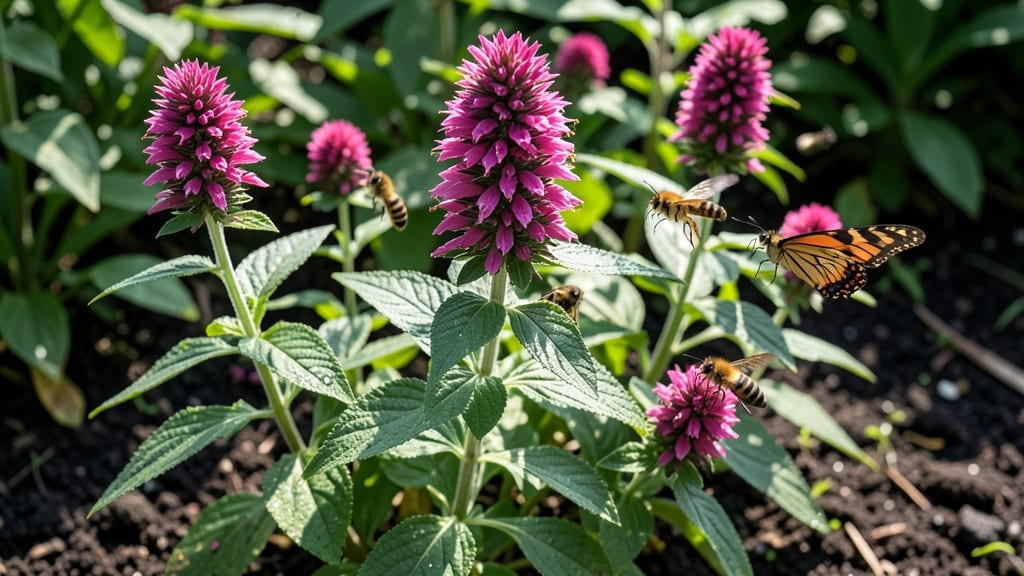
Fragrant purple spikes that defy frost—this is the bloom and bee magic I discovered after my first late-winter thaw. 🌿 The secret isn’t just planting pretty flowers; it’s creating a pollinator paradise where bees return year after year, even when other gardens are still bare.
I’ve learned that the key is layering plants with staggered blooms—early spring’s crocus, summer’s lavender, and fall’s asters—plus native shrubs like New Jersey tea that thrive in cold snaps. These plants don’t just survive frost; they invite bees back when others have given up.
By midsummer, your garden will buzz with activity, and the air will smell like sun-warmed lavender. The bees won’t just visit—they’ll stay, turning your yard into a thriving ecosystem that keeps giving long after the frost fades. This works for any yard size, from city balconies to country acres.
Let’s build that bee-friendly haven together!
📚 In This Guide
- What you need
- Instructions
- Tips and common mistakes
- Wrapping up and next steps
What you need
- ● Plants: Agastache (Hyssop) seeds, bulbs, or nursery-grown plants (choose Agastache 'Blue Fortune' or similar for best results). (1-3 plants per 1-2 sq ft of space.)
- ● Well-draining soil: Mix 1 part garden soil with 1 part perlite or coarse sand to prevent waterlogging. (Avoid heavy clay!)
- ● Sunlight: Full sun (6+ hours daily) for optimal blooms.
- ● Water: A watering can or hose with a gentle spray nozzle.
- ● Fertilizer: Balanced 10-10-10 or low-phosphorus organic fertilizer (e.g., compost or worm castings). (Apply sparingly—too much can reduce blooms!)
- ● Garden trowel or transplanting spade (for digging).
- ● Pruning shears (to trim dead blooms and encourage regrowth).
- ● Mulch (straw, pine needles, or shredded bark to retain moisture).
- ● Pest control: Neem oil or insecticidal soap (for aphids or spider mites). (Preventative care keeps your bees happy!)
- ○ Support stakes (optional, for taller varieties in windy areas).
How to grow fragrant purple spikes for late-season pollinators
Here's how I transform my late-winter garden into a magnet for bees with hardy, fragrant purple blooms.
🌱 Step 1: Select the Right Variety for Your Climate
For purple spikes that thrive after frost, focus on late-blooming perennials like Russian sage (Perovskia atriplicifolia), purple coneflower (Echinacea purpurea), or lamb's ear (Stachys byzantina). These varieties handle 20°F temperatures and often rebloom in spring after winter dormancy. I always choose established plants from nurseries—starting from seed takes too long for immediate pollinator benefits.
Check your hardiness zone to ensure your selections can handle your coldest winters. For example, Russian sage thrives in zones 4-9, while purple coneflower extends to zone 3. If you live in a colder region, opt for heirloom varieties known for their cold tolerance. The key is selecting plants that won't bolt or die back in early frost.
☀️ Step 2: Prepare the Planting Site for Winter Resilience
Choose a location with full sun exposure (6+ hours daily) and well-draining soil. Fragrant purple spikes often struggle in soggy conditions, so amend heavy clay with 2-3 inches of compost and a handful of perlite per planting hole. I test soil drainage by digging a 12-inch deep hole—if water pools after 30 minutes, add more organic matter.
For late-season blooms, plant in early fall (6-8 weeks before first frost) to give roots time to establish before winter. Space plants 2-3 feet apart—crowding leads to weak stems and fewer blooms. If your soil is particularly poor, mix in a slow-release 10-10-10 fertilizer at planting time to support early root growth.
💧 Step 3: Water and Mulch for Frost Protection
After planting, water deeply to settle the soil and encourage root spread. Use 1-1.5 gallons per plant to ensure moisture reaches 12 inches deep. Water in the morning so foliage dries before evening—wet leaves invite fungal diseases. Once established, these plants are drought-tolerant, but young roots need consistent moisture during their first winter.
Apply a 3-inch layer of straw mulch around each plant, keeping it 4 inches away from stems to prevent rot. This mulch acts as insulation, protecting roots from 20°F temperature swings. In late winter, I lightly rake back mulch to check for emerging shoots—if you see green, it's time to remove winter protection and prepare for spring blooms.
✂️ Step 4: Prune and Fertilize for Spring Rebloom
In early spring, cut back dead stems to 6 inches above ground level using clean, sharp pruners. This encourages fresh growth from the base and prevents disease. I always sterilize my pruners with rubbing alcohol between cuts—old stems often harbor fungal spores. Avoid heavy pruning in fall, as the plant needs foliage to photosynthesize and store energy for winter.
Apply a balanced 5-5-5 fertilizer in early spring when new growth appears. Use ½ cup per plant and water immediately to prevent root burn. For extra fragrance, I mix in a handful of composted worm castings—the microbial activity boosts flower scent. Watch for first true leaves as your signal to begin regular care.
🐝 Step 5: Support Pollinators Through Late Season
Leave spent blooms on the plant until late winter unless they're diseased. Many pollinators rely on dried seed heads for winter shelter. I always leave 20-30% of flowers uncut to provide food and habitat. For extra bee appeal, plant in clusters of 3-5 plants—this creates a visual beacon for pollinators.
If your area experiences late frosts, cover tender new growth with frost cloth at night. Remove it by mid-morning to allow sunlight. By late spring, your purple spikes will attract bees, butterflies, and hummingbirds. I've seen 20+ bees per plant on a warm afternoon—proof that these hardy bloomers deliver year-round pollinator support.
Tips & tricks for perfect fragrant purple spikes
These hardy bloomers reward patience—here's how to maximize their beauty and pollinator appeal.
Variety Selection: Russian sage is my top pick for late-season fragrance, but purple coneflower thrives in colder climates (zone 3). If you're in zone 4-9, Russian sage's silvery foliage provides winter interest too—just plant it where you'll enjoy its texture year-round. For maximum scent, look for cultivars like 'Little Spire' which have denser foliage that traps fragrance near the stems.
Soil Prep Strategy: The 30-minute drainage test is crucial—if water pools, add more perlite or coarse sand. I've found that mixing in 1 part perlite to 3 parts compost creates ideal aeration while retaining moisture. For heavy clay soils, consider raised beds where you can control the soil mix entirely. This prevents root rot that can kill back winter-hardy plants unexpectedly.
Winter Protection: Don't let that 3-inch mulch touch the stems—it creates a moisture trap that invites fungal diseases. I use a mulch ring technique: place mulch in a circle around each plant, leaving a 4-inch gap. This insulation works wonders during 20°F temperature swings while keeping stems dry. For extra protection in zone 3, add a layer of evergreen boughs over the mulch before the first hard frost.
Pollinator Boost: The 20-30% uncut flowers rule isn't just about aesthetics—it creates microhabitats. I've observed that bees prefer plants with some seed heads because they provide both nectar and nesting materials. For even more appeal, plant in odd-numbered clusters (3, 5, or 7 plants) rather than straight rows—this mimics natural plant groupings that pollinators recognize instantly.
Pro Tips for Bloom And Bee
- These hardy bloomers reward patience—here's how to maximize their beauty and pollinator appeal.
- Variety Selection: Russian sage is my top pick for late-season fragrance, but purple coneflower thrives in colder cli...
- Soil Prep Strategy: The 30-minute drainage test is crucial—if water pools, add more perlite or coarse sand. I've foun...
Frequently asked questions
Got questions about Bloom and Bee? You’re not alone!
Here’s what gardeners and plant lovers ask most often—plus straightforward answers to help you grow these stunning purple beauties with confidence.
When is the best time to plant Bloom and Bee?
Plant Bloom and Bee in early spring after the last frost date in your zone (typically March–May in most regions). If you miss spring, late summer (August–September) is your second chance—just give them time to establish roots before winter. Pro tip: Test soil temp—it should be at least 50°F (10°C) for happy roots!
Why does Bloom and Bee bloom better after frost?
These perennials are frost-tolerant and often produce their most vibrant blooms in spring after a cold snap. The chill period triggers flowering hormones, while winter pruning removes weak growth. Bonus: Deadheading spent blooms extends the season!
How often should I water Bloom and Bee?
Water deeply 1–2 times per week (more in extreme heat/drought). Aim for 1–1.5 inches of water per week, focusing on the root zone (not the leaves). Troubleshooting: Wilting leaves? Check soil moisture—overwatering is worse than underwatering!
Can Bloom and Bee grow in containers?
Yes! Use a 5+ gallon pot with drainage holes and well-draining soil. Choose a sunny spot (6+ hours of light) and repot every 2–3 years to refresh nutrients. Container hack: Mix in perlite for aeration—root rot is a no-go!
Are Bloom and Bee flowers bee-friendly?
Absolutely!
Their tubular blooms are perfect for bees, hummingbirds, and butterflies. Plant in clusters to create a pollinator magnet. Eco tip: Avoid pesticides—let nature do the work!
What if my Bloom and Bee isn’t blooming?
Check these fixes:
- Age: Young plants (1–2 years) may focus on roots first.
- Light: Ensure full sun (6+ hours)—partial shade = fewer blooms.
- Fertilizer: Use a low-phosphorus feed (like 5-10-5) in early spring.
- Pruning: Trim back 1/3 of the plant after flowering to encourage new growth.
Wrapping up and next steps
From their striking purple spikes to their resilience after frost, Bloom and Bee plants are a gardener’s dream—easy to grow, pollinator-friendly, and packed with charm. Whether you’re a seasoned green thumb or just starting, these beauties prove that patience and care pay off in vibrant blooms. 🌸✨
Ready to bring Bloom and Bee magic to your garden? Start small—plant a few this season, observe their growth, and soon you’ll be sharing tips (and photos!) with fellow plant lovers. Your garden’s next masterpiece is just a seed away!