
Flowers
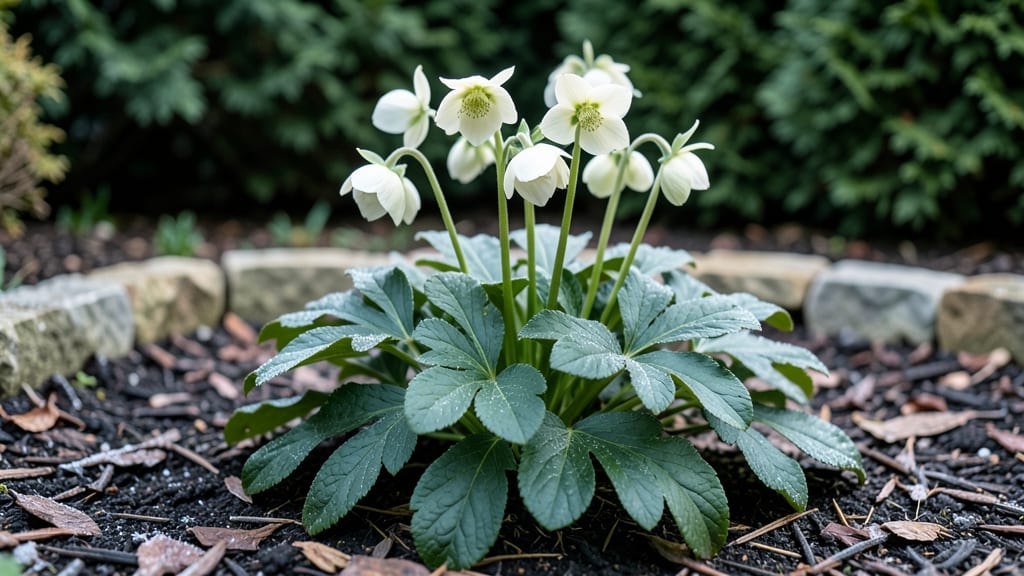
That velvety yellow flower that looks like a rose—the fragrant rose-camellia hybrid—is the secret weapon for gardens craving drama without the fuss. 🌼 I first spotted one in a neighbor’s courtyard, its petals unfurling like a sunlit secret, and knew it belonged in every design-worthy space.
Unlike traditional roses, this beauty blooms year-round in mild climates, offering lush color when most gardens sleep. The magic lies in its bold, rose-like form paired with camellia’s resilience. It thrives in partial shade, making it perfect for under trees or against north-facing walls.
Pair it with blue hydrangeas for a dreamy contrast or lavender for a fragrant, textured border. In containers, it becomes a statement piece—imagine one specimen in a terracotta pot anchoring a patio. For cut flowers, snip stems early in the morning when petals are fully open.
Their honey-scented blooms last 5-7 days in a vase, filling rooms with romance. Even in winter, the glossy leaves add structure, proving this isn’t just a summer fling but a four-season star. Works as a solitary focal point or woven into mixed borders.
Here’s how to style it like a pro—without the guesswork.
Genetic Secrets Behind Color Shifts
If you’ve ever spotted a golden-blossomed beauty mimicking a rose’s shape but sporting a sunny hue, you’re likely looking at a rose-camellia hybrid (or its close cousins) undergoing natural—or sometimes human-guided—color transformations.
These shifts aren’t random; they’re the result of precise biological mechanisms. Let’s break down the science behind why some flowers turn yellow while retaining a rose-like form.
Most "yellow roses that look like roses" aren’t roses at all—they’re hybrids, often crosses between Camellia and Rosa species (like Rosa × ‘Kordesii’ or Camellia × ‘Rosalba’).
When breeders intentionally mix parent plants with contrasting traits—such as a deep red rose and a pale yellow camellia—the offspring inherit a diluted or modified pigment pathway.
Why it happens:
- Incomplete dominance: Some genes for red/pink pigment (anthocyanins) don’t fully override yellow (carotenoid-based) pigments, creating a blended color.
- Epistasis: One gene (e.g., for flower shape) may "mask" another (e.g., for pigment intensity), leading to unexpected hues.
- Polygenic inheritance: Multiple genes control color, so even slight genetic variations can shift a bloom from peachy to buttery yellow.
💡 Pro Tip: If you’re growing hybrids, look for parent plants labeled with “pollen parent” and “seed parent”—this reveals the genetic recipe behind the color!
Sometimes, a rose-like flower turns yellow due to environmental factors that disrupt pigment production. While this isn’t intentional breeding, it explains why some blooms lose their expected color under certain conditions.
| Stressor | How It Affects Pigment | Resulting Flower Color |
|---|---|---|
| 🌞 Excess sunlight | Overheating damages anthocyanin (red/purple pigment) cells, leaving carotenoids (yellow/orange) dominant. | Pale yellow or bleached petals. |
| ❄️ Cold temperatures | Slows down enzyme activity needed for pigment synthesis, favoring carotenoids over anthocyanins. | Lemon-yellow or cream blooms. |
| 💧 Over/under-watering | Stress triggers ethylene gas, which breaks down red pigments while preserving yellow ones. | Uneven yellow patches or full yellowing. |
| 🌿 Nutrient deficiencies | Low nitrogen or magnesium disrupts chlorophyll and anthocyanin production, amplifying carotenoid visibility. | Dull yellow or greenish-yellow blooms. |
🔥 Fix It: To encourage vibrant (not stressed) colors, maintain consistent moisture, use a balanced 10-10-10 fertilizer, and provide partial shade in hot climates.
Modern horticulture leverages plant growth regulators (PGRs) and pigment-enhancing treatments to coax flowers into specific colors. While not all yellow rose-like blooms are chemically treated, some commercial varieties are.
Key methods:
- PGR sprays (e.g., gibberellins): These hormones can delay pigment maturation, allowing carotenoids (yellow) to dominate over anthocyanins (red/pink).
- pH-adjusted soil: Acidic soils (pH 5.5–6.5) enhance anthocyanin production, while neutral/alkaline soils (pH 7+) may suppress red pigments, favoring yellow.
- Light spectrum manipulation: Growers use blue-light filters to reduce red pigment while boosting yellow carotenoids.
⚠️ Caution: If you’re growing from seed or cuttings, avoid PGRs unless you’re a commercial grower—overuse can stunt plant health.
Whether it’s a carefully bred hybrid, a sun-kissed stress response, or a breeder’s chemical nudge, the yellow "rose" you’re admiring is a masterclass in plant genetics and environmental interaction. Next time you spot one, take a closer look—you’re witnessing science in bloom! 🌼✨
Reviving & Caring for Blooms
If your yellow rose-like flower (likely a Rose-Camellia or Camellia japonica hybrid) is struggling, don’t fret—most issues have simple fixes. Below, we’ll tackle the most common problems with actionable steps, prevention tips, and expert-backed solutions to keep your plant thriving year-round. 🌿💛
Yellow leaves or premature leaf drop often signal stress from overwatering, underwatering, or nutrient deficiencies.
🔥 Overwatering or Poor Drainage
If the soil feels soggy or roots appear mushy, your plant is drowning. Rose-Camellias hate wet feet!
- 👨🍳 Step 1: Check the Soil Stick your finger 2 inches into the soil. If it’s damp, hold off on watering.
- 💧 Step 2: Adjust Watering Water only when the top 1–2 inches of soil are dry. Use a pot with drainage holes and a saucer to catch excess water.
- 🔪 Step 3: Improve Drainage Mix in perlite or coarse sand (20%) to improve aeration. For container plants, repot into a well-draining mix.
💡 Pro Tip: If roots are rotting, trim away the black/mushy sections with sterilized scissors, then repot in fresh soil.
🌡️ Underwatering or Heat Stress
Crispy edges or wilting leaves mean your plant is thirsty or struggling with heat.
- 💦 Step 1: Deep Watering Water thoroughly until it drains from the bottom. Repeat every 5–7 days in hot climates.
- 🌿 Step 2: Mulch & Shade Apply 2–3 inches of organic mulch (like bark chips) to retain moisture. In intense heat, provide afternoon shade with a sheer curtain.
- 🍃 Step 3: Boost Humidity Mist leaves daily or place the pot on a tray of pebbles with water (ensure the pot isn’t sitting in water).
✨ Prevention: Group plants together to create a microclimate with higher humidity.
If your rose-like yellow camellia is producing few flowers, it may need pruning, fertilizer, or light adjustments.
⏰ Pruning for Better Growth
Prune after flowering (late spring) to shape the plant and encourage new blooms.
- 🔪 Step 1: Remove Dead Wood Cut back dead or crossing branches with clean pruners. Make cuts at a 45° angle just above a leaf node.
- 🌿 Step 2: Thin Out Crowded Branches Aim for an open center to improve airflow. Avoid heavy pruning—camellias bloom on old wood!
- 🌞 Step 3: Light Exposure Ensure 4–6 hours of filtered sunlight daily. Too much direct sun can scorch leaves and reduce blooms.
💡 Pro Tip: Avoid pruning in fall or winter—this is when buds form for next year’s flowers.
📊 Fertilizing for Abundant Flowers
Yellow camellias thrive with acidic, nutrient-rich soil. Use a balanced, slow-release fertilizer.
- 🍄 Step 1: Test Soil pH Ideal pH: 5.5–6.5. If your soil is alkaline, amend with sulfur or peat moss.
- 🌱 Step 2: Feed in Stages
Season Fertilizer Type Frequency Spring (March–April) Balanced 10-10-10 or camellia-specific fertilizer Every 4–6 weeks Fall (September–October) High-phosphorus (e.g., 5-10-10) for bud formation Once - 🚫 Step 3: Avoid Over-Fertilizing Yellow leaves or leaf drop can signal fertilizer burn. Flush the soil with water if this happens.
Pests like aphids, spider mites, or fungal diseases (e.g., petal blight) can devastate your camellia. Act fast!
🐜 Common Pests & Fixes
Check the undersides of leaves and buds for tiny insects or webbing.
- 💦 Step 1: Blast Off Pests Spray leaves with a strong stream of water to dislodge aphids or mites.
- 🍃 Step 2: Neem Oil Spray Mix 1 tbsp neem oil + 1 tsp mild soap in 1 quart of water. Spray every 5–7 days until pests vanish.
- 🐞 Step 3: Introduce Beneficial Insects Ladybugs or lacewings eat aphids naturally. Buy them online or attract them with companion plants like dill or fennel.
🍄 Fungal Diseases & Remedies
Brown spots, moldy buds, or blackened leaves mean fungus is at play.
- 🌧️ Step 1: Improve Airflow Prune to open up the plant and space pots 12+ inches apart.
- 🍄 Step 2: Fungicide Treatment Use a copper-based fungicide or baking soda spray (1 tsp baking soda + 1 quart water + a few drops of soap).
- 🚫 Step 3: Prevent Re-Infection Remove and destroy infected leaves immediately. Avoid overhead watering.
💡 Pro Tip: Water in the morning so leaves dry quickly, reducing fungal spores.
With these targeted fixes, your yellow rose-like camellia will bounce back stronger than ever. Consistency is key—monitor soil, light, and pests regularly to keep your plant blooming beautifully for seasons to come! 🌸💛
Frequently asked questions
What’s the most common yellow flower that resembles a rose?
The Ragged Robin (Lychnis flos-cuculi) and Black Baccara Rose hybrids are top contenders! Both feature delicate, rose-like petals with golden hues. For a true camellia-rose hybrid, look for Camellia × ‘Rosalba’, which blooms year-round in mild climates.
Can I grow these yellow rose-like flowers in containers?
Camellia hybrids and Ragged Robin thrive in containers with well-draining soil and 12+ inch pots. Use a mix of peat moss, perlite, and pine bark to mimic acidic forest soil. Place in partial shade for best results.
How do I make cut flowers last longer?
Snip stems at a 45° angle early in the morning when petals are fully open. Place in cool water with a drop of bleach (1 tsp per gallon) to prevent bacteria. Change water every 2 days—these blooms will last 5-7 days in a vase!
What’s the best way to pair them in garden designs?
For a dreamy contrast, combine with blue hydrangeas or lavender. In containers, pair with fuchsia or heuchera for texture. They also shine as a solitary specimen in terracotta pots against stone walls.
Why are my yellow rose-like flowers turning brown?
This usually signals fungal disease (like petal blight) or overwatering. Improve airflow by pruning crowded branches and water only when the top 1-2 inches of soil are dry. Apply a copper-based fungicide if spots persist.