
Flowers
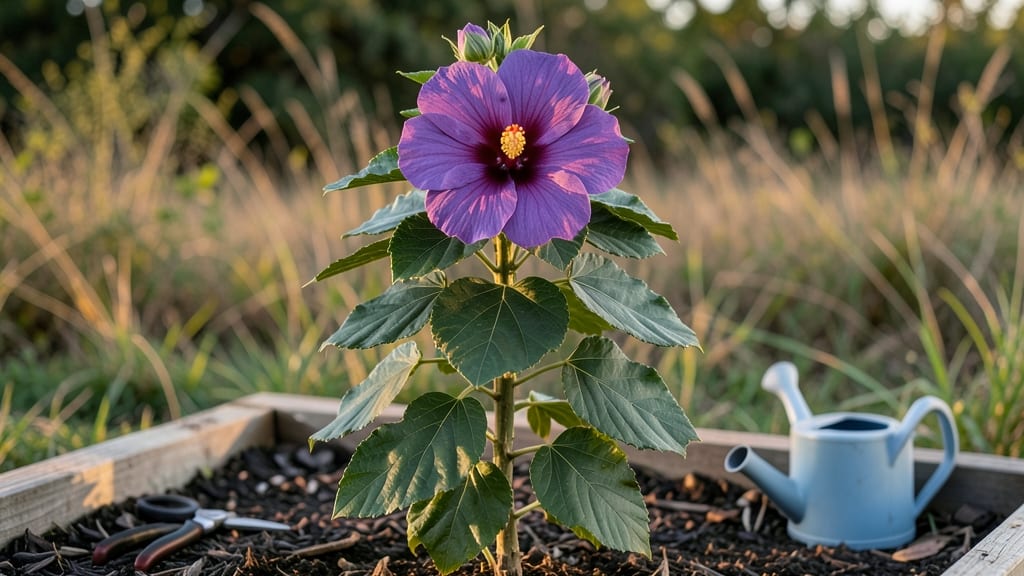
Your garden just got a royal upgrade with purple flowers that look like roses—but aren’t. 🌸 These showstoppers, like the hibiscus syriacus or lavatera, bring drama without the fuss of traditional roses.
I’ve been growing them for years, and they’ve become my go-to for adding bold color to borders, cottage gardens, and even container displays.
What makes them special? They thrive in partial shade, bloom from early summer to frost, and pair beautifully with silver foliage or deep greens to make them pop. Unlike roses, they’re low-maintenance—no deadheading required, and they handle heat and humidity like champions.
My favorite spot for them is along pathways, where their cascading blooms create a fairy-tale effect.
Imagine a lavender-and-purple border that looks like it belongs in a storybook, or a container combo with salvia and dusty miller for texture contrast. These flowers don’t just fill space—they steal the show.
And the best part? They attract pollinators all season long, turning your garden into a buzzing, blooming paradise.
Whether you’re designing a formal border or a wild, romantic cottage garden, these purple roses-on-steroids are the secret weapon you need. Let’s talk placement, pairings, and how to keep them looking their best all season.
Genetic Secrets Behind Blooms
Nature’s palette isn’t always straightforward, and when it comes to purple flowers that mimic roses, genetics plays a starring role. These striking blooms aren’t just a fluke—they’re the result of precise biological processes that control color, shape, and even scent.
Let’s break down the science behind why some flowers trick us into thinking they’re roses when they’re not.
Most roses owe their classic hues to anthocyanins, the same pigments that turn blueberries purple and red cabbage deep pink. However, some plants—like Hibiscus rosa-sinensis (the tropical hibiscus) or Lantana camara—produce delphinidin-based anthocyanins, which lean toward violet and magenta tones.
These pigments thrive in acidic cell environments, creating that rich, rose-like purple.
- Actionable tip: If you’re growing these mimics, ensure your soil has a slightly acidic pH (5.5–6.5)—this boosts anthocyanin production for deeper colors.
- Fun fact: Some purple "roses" (like Tulipa ‘Queen of Night’) actually contain betalains alongside anthocyanins, a rare combo that intensifies their drama.
Many "purple roses" aren’t roses at all—they’re hybrids or lookalikes bred to resemble them. For example:
- Lantana camara ("Lantana Rose"): A hardy shrub with clustered blooms that mimic rose petals but are actually composite flowers (each "petal" is a tiny floret).
- Hibiscus syriacus ("Rose of Sharon"): Its ruffled edges and layered petals fool the eye, though its genetic makeup is far from a true rose.
- Dahlia ‘Café au Lait’: Some dahlias are bred with double-layered petals and a rose-like center, thanks to selective breeding for florist-style blooms.
Why it matters: These plants evolved to attract pollinators with rose-like aesthetics—but their DNA is entirely different. Gardeners often crossbreed them to enhance petal count and color saturation, making them appear more rose-like over generations.
Color isn’t just genetic—it’s also environmentally influenced. Here’s how:
| Factor | Effect on Purple Blooms |
|---|---|
| 🌞 Sunlight | High UV exposure boosts anthocyanin production, deepening purple hues (think Petunia ‘Mitchell’ turning darker in full sun). |
| ❄️ Cooler Nights | Some plants (like Cleome ‘Pink Queen’) produce more vibrant purples when nighttime temps drop to 50–60°F. |
| 💧 Water Stress | Mild drought can concentrate pigments, making blooms appear richer (but overwatering dilutes color). |
Pro tip: For the most rose-like purples, place your plants in morning sun + afternoon shade to balance color intensity without stressing them.
Some purple "roses" owe their existence to chemical signals that mimic rose scents. For instance:
- Lavender (Lavandula): Produces coumarin, a compound that smells like roses to some pollinators, even though its blooms are tiny and purple.
- Mock Orange (Philadelphus): Its fragrant, rose-like blossoms contain methyl anthranilate, a chemical that attracts bees with a grape-like aroma—but visually, it’s all about the petal shape.
Plants evolved these tricks to deceive pollinators into visiting, ensuring reproduction. The result? Flowers that look like roses but aren’t—thanks to a mix of scent and visual mimicry.
Revive & Keep Blooms Thriving
If your purple rose-like blooms are struggling—whether from pests, poor soil, or weather—don’t toss them out just yet! With the right fixes, you can bring back their lush, dramatic beauty. Below, we’ll tackle common issues with step-by-step solutions, plus prevention tips to keep your garden flourishing year-round. 🌸💜
Cause: Yellowing leaves, holes, or black spots on petals often mean aphids, spider mites, or fungal infections are attacking. Fix:Step 1: Inspect & Identify 🔍
- Check the undersides of leaves and buds for tiny pests (aphids, mites) or powdery mildew (white fuzzy coating).
- Snap a photo and compare with online guides (like Gardeners.com) for a precise ID.
Step 2: Manual Removal (Gentle but Effective) 🧼
- For aphids: Spray with a strong stream of water to dislodge them, or wipe leaves with soapy water (1 tsp mild dish soap + 1 quart water).
- For mites: Blasts of water also work—do this in the morning so leaves dry quickly.
Step 3: Organic Treatments 🌿
- Neem oil spray (1 tbsp neem oil + 1 tsp mild soap + 1 quart water): Spray evenly on leaves and stems. Reapply every 7–10 days.
- Baking soda solution (1 tsp baking soda + 1 quart water + a drop of soap): Great for fungal issues like powdery mildew.
Step 4: Prevent Future Infestations 🛡️
- Encourage predators: Ladybugs and lacewings love aphids—plant companion flowers like marigolds or dill nearby.
- Prune regularly: Remove infected leaves or stems immediately (sterilize pruners with rubbing alcohol between cuts).
- Space plants properly: Overcrowding traps moisture, inviting fungal growth.
Step 1: Check Soil Moisture 🌱
- Stick your finger 1–2 inches into the soil. If it’s dry, water deeply. If soggy, hold off until the top layer dries.
Step 2: Adjust Your Watering Schedule ⏰
- Morning watering is best (reduces evaporation and fungal risk).
- Deep soak, not light sprinkles: Water until it drains from the bottom (use a moisture meter if unsure).
- Mulch matters: Add 2–3 inches of mulch (straw or wood chips) to retain moisture and regulate temperature.
Step 3: Fix Overwatering Damage 🚿
- If roots are rotting, stop watering immediately and let the soil dry out.
- Repot the plant in fresh, well-draining soil (mix in perlite or sand for aeration).
Prevention Tips: 💡
- Group plants by needs: Purple bloomers like Lavender or Hollyhock prefer dry soil; others (like Hibiscus) need consistent moisture.
- Avoid wetting leaves: Use drip irrigation or water at the base to prevent mildew.
Step 1: Match Light Needs 🌞
- Full sun lovers (6+ hours/day): Lavender, Hollyhock, or Purple Coneflower thrive in bright light.
- Partial shade (3–6 hours/day): Hibiscus or Dahlia prefer filtered sun to avoid scorching.
Step 2: Test & Amend Soil 🏺
- pH check: Most purple bloomers prefer slightly acidic to neutral soil (6.0–7.0). Use a soil test kit for accuracy.
- Improve drainage: If soil is clay-heavy, mix in compost or coconut coir to loosen it.
Step 3: Fertilize Smartly 🌿
- Feed in spring: Use a balanced, slow-release fertilizer (10-10-10 ratio) when new growth appears.
- Avoid over-fertilizing: Too much nitrogen = lush leaves but fewer blooms. Opt for a bloom booster (like 5-10-10) mid-season.
Prevention Tips: ✨
- Rotate pots: If growing in containers, turn them occasionally for even sun exposure.
- Use raised beds: For heavy clay soil, raised gardens improve drainage and root health.
Step 1: Protect from Frost ❄️
- Cover tender plants with frost cloth or a lightweight blanket before temps drop below 32°F (0°C).
- Group pots together to trap heat and reduce exposure.
Step 2: Beat the Heat 🔥
- Provide shade cloth (30–50% coverage) during peak afternoon sun in extreme heat.
- Mist leaves (early morning only) to cool them down—avoid evening misting to prevent fungal growth.
Step 3: Windbreak Solutions 💨
- Plant windbreaks: Tall grasses or shrubs (like Bamboo) can shield delicate blooms.
- Stake tall varieties: Use soft ties to secure stems and prevent snapping.
Prevention Tips: 🌡️
- Choose native varieties: Plants adapted to your climate (e.g., Purple Sage in dry regions) handle weather shifts better.
- Monitor forecasts: Move potted plants to sheltered spots before storms hit.
Final Pro Tip: 🎯 Keep a garden journal! Note what works (and what doesn’t) for your purple beauties—soil type, watering times, and pest patterns will become second nature. Happy gardening! 🌼
Frequently asked questions
What's the most dramatic purple flower that looks like a rose?
The Hibiscus syriacus (Rose of Sharon) steals the show with its layered, ruffled petals that mimic roses perfectly. For a cottage garden vibe, try Lavatera—its soft, velvety blooms cascade like rose petals but with a dreamy purple hue. Both thrive in partial shade and bloom until frost.
Can I grow purple rose lookalikes in containers?
Dahlias (like 'Café au Lait') and Lantana (Lantana Rose) are container superstars. Use pots with drainage holes and well-draining soil. For height, pair them with trailing plants like Sweet Potato Vine—the contrast creates a stunning vertical display.
How do I make my purple blooms last longer in arrangements?
Trim stems at an angle and place them in cool water with flower food (or a pinch of sugar + bleach). Change the water every 2 days and avoid direct sunlight. For extra drama, snip leaves that sit below the waterline—they’ll absorb nutrients instead of feeding the blooms.
Are any of these flowers fragrant?
Yes! Mock Orange (Philadelphus) has intensely sweet, rose-like fragrance, while Lavender adds a soothing herbal note. For a double whammy, plant them near seating areas—you’ll get both visual and olfactory magic. Just avoid Lantana if you dislike citrusy scents!
What's the easiest purple rose lookalike for beginners?
Start with Cleome 'Pink Queen'—it’s drought-tolerant, self-seeds easily, and produces spiky purple blooms that resemble roses from afar. It thrives in poor soil and blooms nonstop from summer to frost. Perfect for first-time gardeners who want drama with minimal effort!