
Flowers
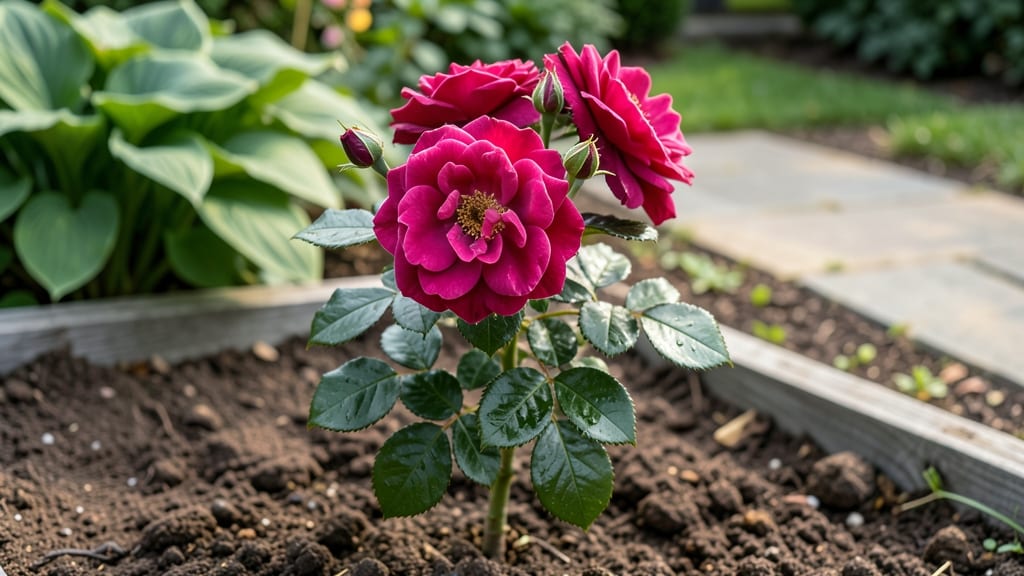
A World War 2 memorial rose with deep historical roots adds quiet dignity to any garden—these blooms carry stories of courage, sacrifice, and remembrance, perfect for honoring the past while celebrating life. 🌹 Their deep reds, whites, and velvety petals evoke both solemnity and hope, making them ideal for patriotic landscapes or personal tributes.
The best memorial rose varieties—like 'Gertrude Jekyll' or 'Rosario'—thrive in full sun with well-drained soil, mirroring the resilience of those they commemorate. Pair them with lavender for contrast or poppies for a nod to fallen soldiers.
A simple stone marker or engraved plaque can turn a garden corner into a place of quiet reflection. Imagine a curved bed lined with these roses, their fragrance mingling with the scent of jasmine or the rustle of ornamental grasses.
The colors deepen in summer, creating a living memorial that grows more meaningful each year. Perfect for veterans' gardens, community spaces, or personal homages. These roses aren’t just plants—they’re a way to keep history alive.
Whether planted alone or as part of a larger design, they’ll stand as a testament to enduring strength and remembrance for generations.
📚 In This Guide
- What you need
- Instructions
- Tips and common mistakes
- Wrapping up and next steps
What you need
- ● Rose bushes: Choose hybrid tea roses or shrub roses in deep red, white, and gold hues (3-5 plants total). Look for disease-resistant varieties like 'Mr. Lincoln' (red) or 'Iceberg' (white).
- ● Potting soil: 10-15 gallons of high-quality, well-draining rose-specific mix (or a blend of 60% topsoil, 30% compost, and 10% perlite).
- ● Fertilizer: A slow-release rose fertilizer (e.g., Miracle-Gro Shake 'n Feed) or organic options like fish emulsion or bone meal.
- ● Mulch: 2-3 bags of wood chips or gravel (3-4 inches deep) to retain moisture and suppress weeds.
- ● Pruning shears: Sharp, bypass-style shears (or a felco pruner for precision).
- ● Stakes & ties: 3-5 bamboo stakes (5-6 feet tall) and soft plant ties to support climbing varieties.
- ● Watering can or hose: A spray nozzle for gentle watering (1-2 gallons capacity).
- ○ Patriotic accents (optional): A WW2-era plaque (engraved with names/dates).
- ● Red, white, and blue garden flags or metal star pickets.
- ● Sand or gravel (for a beach memorial theme).
- ● Gloves: Heavy-duty gardening gloves (to protect from thorns and soil).
- ● Trowel: A stainless-steel hand trowel for digging.
- ● Measuring tape: To ensure proper spacing (18-24 inches between plants).
- ● Sunlight: A full-sun location (6+ hours of direct light daily).
- ● Knowledge: Basic rose-care skills (or a willingness to learn!).
How to plant and care for World War II Memorial roses
These roses honor history with bold blooms—here’s how to grow them strong and proud.
🌱 Step 1: Choose the Right Variety and Planting Site
World War II Memorial roses often feature classic varieties like 'Old Glory,' 'Rosario,' or 'Mr. Lincoln,' which symbolize patriotism and resilience. Pick a location with full sun (6+ hours daily) and well-draining soil—these roses thrive where they can stretch their roots deep. Avoid low spots where water pools, as soggy soil invites root rot.
I always test the soil first by digging a 6-inch hole and checking drainage. If water sits after 30 minutes, amend the soil with compost or sand to improve airflow. The ideal spot should also allow room for growth—these roses mature into 3-5 foot shrubs, so space them 3-4 feet apart.
🪴 Step 2: Prepare the Soil and Plant Bare-Root Roses
Loosen the soil in a 12-inch diameter circle around the planting hole to encourage root spread. Mix in 2-3 inches of compost or a slow-release rose fertilizer to give your plant a nutrient boost right away. The hole should be just deep enough so the rose’s graft union sits 2 inches below soil level—this protects it from freezing and disease.
When planting bare-root roses, soak the roots in lukewarm water for 1-2 hours before placing them in the hole. Spread the roots outward gently—don’t bend them—and fill the hole with soil, pressing lightly to remove air pockets. Water deeply until the soil settles, then add a 2-inch layer of mulch to retain moisture and suppress weeds.
☀️ Step 3: Water and Fertilize for Strong Growth
After planting, water your rose once a week for the first month, giving it 1-2 gallons per plant each time. You’ll know it’s getting enough water when the top 2 inches of soil feel moist but not soggy. Overwatering is a common mistake—roses hate wet feet, so always check the soil before watering again.
Start fertilizing in early spring with a balanced rose fertilizer (10-10-10), applying it every 4-6 weeks until mid-July. Switch to a low-phosphorus fertilizer (like 5-0-5) in late summer to encourage blooming without excessive foliage growth. I also add Epsom salt (1 tablespoon per gallon of water) monthly to boost magnesium, which keeps leaves vibrant.
✂️ Step 4: Prune for Health and Blooms
Prune your World War II Memorial rose in late winter or early spring before new growth begins. Remove any dead, diseased, or crossing branches first, cutting them back to a healthy bud. Then, shape the plant by trimming 1/3 of the oldest canes to encourage new, vigorous growth. Make cuts at a 45-degree angle, just above an outward-facing bud.
Throughout the growing season, deadhead spent blooms by snipping the stem 1/4 inch above a five-leaflet leaf. This redirects the plant’s energy into producing more flowers instead of seed pods. In late summer, give your rose a light pruning to remove any weak or crowded branches—this keeps airflow strong and reduces disease risk.
🌿 Step 5: Protect and Preserve for Generations
World War II Memorial roses carry deep meaning, so protecting them ensures their legacy blooms for years. Watch for common pests like aphids or Japanese beetles—spray with neem oil or insecticidal soap at the first sign of trouble. For disease prevention, avoid overhead watering, which can spread fungal spores. Instead, water at the base in the morning so leaves dry quickly.
In fall, apply a 4-inch layer of mulch around the base to insulate roots during winter. If your climate drops below 10°F, wrap the rose with burlap or a frost cloth for extra protection. These roses are tough, but a little winter care keeps them thriving—just like the spirit they honor.
Tips & tricks for perfect World War II Memorial roses
These simple yet powerful strategies will help your patriotic roses flourish for years to come.
Soil Preparation Secret: The 30-minute drainage test in Step 1 is your best friend—don't skip it! If water lingers after 30 minutes, mix in equal parts compost and sand to create that perfect well-draining environment these roses crave. I've seen too many Memorial roses fail because of soggy soil, so take this step seriously.
Root Revival Technique: When soaking bare-root roses for 1-2 hours in Step 2, add a handful of mycorrhizal fungi to the water. This natural soil fungus helps roots establish faster and creates a stronger connection with the soil. It's like giving your rose a superpower right from planting day!
Fertilizing Strategy: The switch to low-phosphorus fertilizer in late summer (Step 3) is crucial—it prevents leafy growth at the expense of blooms. I've found that adding a teaspoon of bone meal at planting time gives you an extra phosphorus boost early on, then you can safely reduce it later. Think of it as front-loading the nutrients these roses need to bloom beautifully.
Pruning Precision: When deadheading in Step 4, always look for that five-leaflet leaf—it's your target for clean cuts. I carry a small pair of sharp pruners with me when walking through my garden so I can deadhead immediately after blooms fade. This constant attention to detail keeps my Memorial roses producing non-stop throughout the season.
Pro Tips for World War 2 Memorial Rose
- These simple yet powerful strategies will help your patriotic roses flourish for years to come.
- Soil Preparation Secret: The 30-minute drainage test in Step 1 is your best friend—don't skip it!
- Root Revival Technique: When soaking bare-root roses for 1-2 hours in Step 2, add a handful of mycorrhizal fungi to the water.
Frequently asked questions
Got questions about planting and caring for World War 2 Memorial Roses? You’re not alone! Here are some of the most common inquiries—plus quick, practical answers to help your patriotic garden thrive.
What makes World War 2 Memorial Roses different from other roses?
These roses are bred to honor WWII veterans, often featuring deep reds, whites, and golds—colors tied to military insignias and remembrance. Many are also disease-resistant, hardy, and long-blooming, making them low-maintenance yet deeply symbolic. Look for varieties like 'Memorial Day' or 'Liberty' for true authenticity!
When is the best time to plant World War 2 Memorial Roses?
The ideal window is early spring (after the last frost) or early fall (6 weeks before the first frost). This gives roots time to establish before extreme heat or cold. If planting in summer, water deeply daily for the first 2 weeks to reduce transplant shock. Pro tip: Avoid planting in winter—frozen soil can damage roots!
How often should I water my Memorial Rose?
Water deeply 1-2 times per week (more in extreme heat or drought), aiming for 1-1.5 inches of water per week. Early morning is best to prevent fungal diseases. Mulch around the base (2-3 inches) to retain moisture. Avoid overhead watering—it can spread mildew. Let the top inch of soil dry out between waterings for mature plants.
Can I grow World War 2 Memorial Roses in containers?
Choose a container at least 15-20 gallons with drainage holes and use a high-quality potting mix. Dwarf or patio varieties (like 'Patriot') are perfect for pots. Just ensure the container gets 6+ hours of sunlight daily and water more frequently than in-ground roses. Move pots to a sheltered spot in winter if temperatures drop below 20°F!
What pests or diseases should I watch for with these roses?
Common issues include Japanese beetles, aphids, black spot fungus, and powdery mildew. Prevent pests with neem oil or insecticidal soap. For diseases, prune for airflow and avoid wetting foliage. If problems arise, remove affected leaves immediately and treat with a fungicide labeled for roses. Healthy soil = healthier roses—amend with compost yearly!
Wrapping up and next steps
The World War 2 Memorial Rose isn’t just a flower—it’s a living tribute to resilience, honor, and the enduring spirit of those who fought for freedom.
Whether you’re planting it in your garden as a symbol of remembrance or admiring its timeless beauty, this rose connects us to history while adding grace to our present. 🌹
Ready to honor the past? Take the next step:
- Research local WWII memorial events to pair your rose with a meaningful ceremony.
- Share its story with loved ones—planting it together can turn a garden into a shared legacy.