
Pests
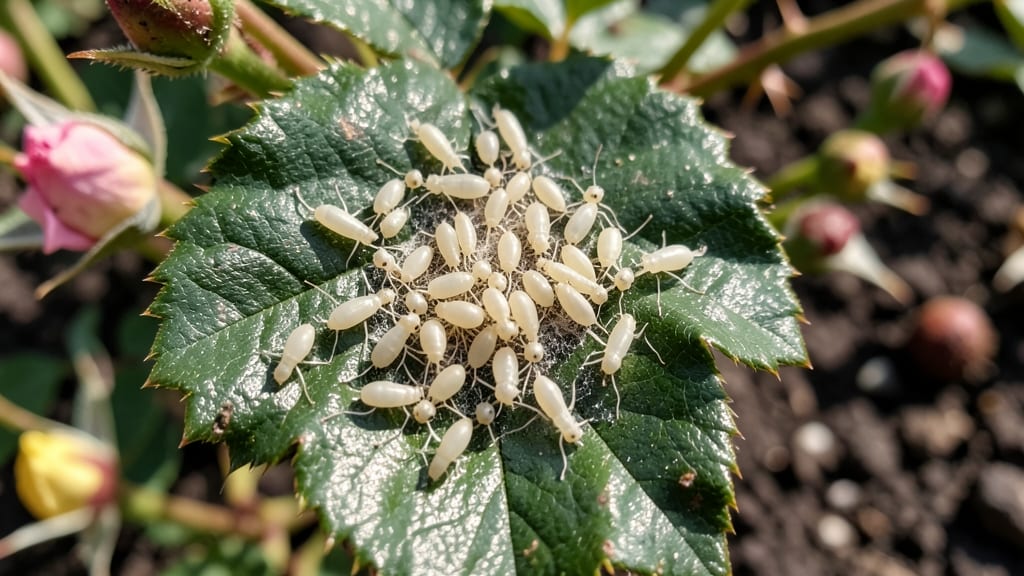
White insects on roses are usually aphids, and they multiply fast—but I’ve found a foolproof way to handle them in under an hour. 🌿 These tiny pests suck sap, leaving sticky residue that attracts ants and weakens your plants. The good news? You don’t need harsh chemicals to stop them.
Most gardeners wait too long before acting, but early intervention is key. Aphids thrive in new growth, so check leaves and buds first. A strong spray of water can knock off clusters, but for stubborn infestations, a mix of neem oil and mild soap works better than store-bought pesticides.
It’s safe for roses and the environment.
By the end of the day, your roses will look healthier, and the aphids will be gone. The secret is consistency—repeat treatments every 5-7 days until new growth appears free of pests. Plus, you’ll attract ladybugs naturally, which eat aphids for free.
This method works for all rose types, from hybrid teas to climbers, and prevents future outbreaks. No more sticky leaves or wilting blooms—just strong, vibrant roses that keep producing all season.
Common Culprits Behind White Rose Invaders
If you’ve spotted tiny white insects swarming your roses, you’re likely dealing with one of nature’s most persistent pests—aphids, mealybugs, or whiteflies. These critters don’t just appear out of nowhere; they’re drawn to your roses for specific reasons.
Understanding why they choose your plants is the first step to kicking them out for good.
Roses under stress are like an all-you-can-eat buffet for pests. When your plants are crowded, poorly pruned, or struggling from nutrient deficiencies, their weakened state makes them irresistible targets. Aphids and mealybugs thrive in environments where roses can’t defend themselves effectively.
Why it happens:
- Lack of airflow: Dense foliage traps moisture, creating a humid microclimate that aphids love. Poor circulation also slows recovery, leaving roses vulnerable.
- Nutrient deficiencies: Roses deficient in nitrogen, phosphorus, or potassium produce weaker sap—aphids’ favorite snack. Yellowing leaves or stunted growth are red flags.
- Overwatering or drought stress: Both extremes weaken roots, making roses more susceptible to infestations. Aphids detect distress signals in plant hormones!
Actionable fix: Prune roses open and airy, space them properly (18–24 inches apart), and fertilize with a balanced rose-specific formula (10-10-10 or 5-10-5). Mulch with compost to retain moisture without soggy roots.
Aphids and whiteflies are sap-sucking opportunists, and roses produce a sticky, sugary substance called honeydew that these insects can’t resist. The more sap your roses produce, the more likely they’ll attract a white insect party.
Why it happens:
- New growth: Young, tender shoots are packed with nutrients, making them a prime aphid buffet. Soft leaves = easy meals.
- Honeydew buildup: Aphids excrete honeydew, which attracts ant colonies (who “farm” aphids for their sweet secretions). Ants protect aphids in exchange for food, creating a mutually beneficial pest ecosystem.
- Certain rose varieties: Some roses, like Hybrid Teas or Floribundas, have thinner leaves and higher sap content, making them aphid magnets.
Actionable fix:
- Prune new growth aggressively to remove aphid hotspots (they love tender tips!).
- Disrupt ant trails with diatomaceous earth or sticky barriers to break their aphid “farm” system.
- Spray roses with neem oil (1 tsp per quart of water) to mask the scent of their sap—aphids get confused!
Whiteflies and aphids hate cold, windy conditions but love cozy, protected spots. If your roses are tucked away in a sheltered corner, under a patio, or near other plants, you’ve created the perfect pest paradise.
Why it happens:
- Lack of sunlight: Shady or partially shaded roses grow slower, producing softer, more vulnerable leaves. Pests thrive where they’re hidden from predators (like ladybugs or lacewings).
- Proximity to other plants: If your roses are near weeds, ivy, or other garden plants, pests can jump ship to your roses from infested neighbors.
- Greenhouse or indoor roses: Controlled environments with consistent warmth and humidity accelerate pest reproduction. Whiteflies, for example, can go from egg to adult in just 2 weeks in ideal conditions.
Actionable fix:
- Move roses to sunny, open areas (6+ hours of direct sunlight daily). Use reflective mulch (like aluminum foil) to deter pests.
- Inspect nearby plants for signs of infestation. Quarantine affected plants immediately.
- Use fans or oscillating fans near roses to create wind disruption—pests dislike unpredictable air movement.
Pro Tip: 💡 Rotate your pest-control methods—if you always use the same spray, pests can develop resistance. Mix soapy water, neem oil, and horticultural oil in a 4-week cycle for best results.
How to Treat Rose Pests Naturally
Now that you’ve identified those pesky white invaders—likely aphids, mealybugs, or whiteflies—it’s time to take action! The good news? You don’t need harsh chemicals to reclaim your roses. Below are targeted, eco-friendly solutions tailored to each culprit, plus prevention tips to keep your garden thriving long-term.
Aphids cluster on new growth, leaving sticky residue (honeydew) and stunted buds. Here’s how to evict them:
🍳 Manual Removal (Best for Small Infestations)
- 👨🍳 Step 1: Fill a bowl with soapy water (1 tsp mild dish soap per gallon of water).
- 👨🍳 Step 2: Use a soft brush, spray bottle, or gloved hands to dislodge aphids into the solution.
- 👨🍳 Step 3: Rinse the plant with clean water to remove soap residue.
- ⏰ Frequency: Repeat every 3–4 days until gone.
🌿 Natural Sprays (For Stubborn Clusters)
- 🌿 Option 1: Neem Oil Spray
- Mix 1 tbsp neem oil + 1 tsp mild soap + 1 quart water.
Spray directly on aphids (avoid blooms). - ✨ Pro Tip: Apply in the early morning or evening to avoid harming bees. - 🌿 Option 2: Garlic Pepper Spray - Blend 4 garlic cloves + 1 tsp cayenne pepper + 1 quart water.
Strain, add 1 tsp soap, and spray. - 💡 Why? Garlic repels aphids and strengthens plant immunity.
🐞 Beneficial Insects (Long-Term Defense)
- 🐞 Ladybugs, lacewings, or parasitic wasps (like Aphidius colemani) are aphid predators.
- 📊 How to Attract Them:
- Plant dill, fennel, or yarrow nearby as a food source.
- Purchase aphid-specific wasps from garden centers (they won’t sting you!).
These fluffy white pests hide in crevices, sucking juices and spreading mold. Scrape them off first, then treat:
🔪 Mechanical Control (First Line of Defense)
- 🔪 Step 1: Dampen a cotton swab with rubbing alcohol (70% isopropyl).
- 🔪 Step 2: Wipe away visible mealybugs and their eggs gently but thoroughly.
- 🔪 Step 3: Prune and dispose of infested leaves in a sealed bag.
🌡️ Heat Treatment (For Severe Cases)
- 🌡️ Method: Use a hair dryer on low heat to blast mealybugs for 1–2 minutes per cluster.
- ⚠️ Warning: Test on a small area first—some roses may be sensitive.
🎯 Systemic Solutions (Last Resort)
- 🎯 Option 1: Horticultural Oil
- Apply dormant oil (like Safer Brand 3-in-1) in spring or fall when roses are dormant.
- 🎯 Option 2: Systemic Granules (e.g., Imidacloprid)
- ⚠️ Use sparingly: Follow package instructions exactly to avoid harming pollinators.
These tiny white moths swarm when disturbed and lay eggs on undersides of leaves. Traps and smothering work best:
🕷️ Yellow Sticky Traps (Fastest Solution)
- 🕷️ How to Use:
- Hang yellow sticky cards near roses (whiteflies are attracted to yellow).
- Replace weekly—traps become ineffective once saturated.
- 💡 Bonus: Place traps 1–2 feet above the plant for maximum catch.
🌧️ Soap Spray (Direct Attack)
- 🌧️ Recipe: 1 tbsp castile soap + 1 quart water.
- 🌧️ Application: Spray undersides of leaves where eggs hide. Repeat every 5 days for 3 weeks.
🌿 Companion Planting (Prevention)
- 🌿 Plant: Basil, marigolds, or lemongrass near roses—their scents repel whiteflies.
- 🌿 Avoid: Over-fertilizing with nitrogen (whiteflies love lush, soft growth).
Once your roses are pest-free, lock in success with these habits:
- 🌱 Regular Inspections: Check undersides of leaves and new growth weekly.
- 🌱 Prune Properly: Remove dead or crowded branches to improve airflow (pests hate dry conditions).
- 🌱 Water Wisely: Deep watering at the base (not overhead) reduces humidity—aphids and whiteflies thrive in dampness.
- 🌱 Encourage Diversity: A pollinator-friendly garden with herbs and wildflowers attracts beneficial insects.
- 🌱 Fall Cleanup: Rake and compost fallen leaves (pests overwinter in debris).
🎯 Remember: Consistency is key! Most infestations take 2–4 weeks to fully resolve. Stay vigilant, and your roses will reward you with vibrant blooms—pest-free! 🌹
Frequently asked questions
Are those white insects on my roses harmful?
Yes, they can seriously damage your roses! Tiny white insects like aphids, mealybugs, or whiteflies suck plant sap, causing leaves to curl, buds to drop, and overall weakened growth. They also leave behind sticky honeydew that attracts ants and promotes sooty mold. Act quickly to prevent long-term harm.
How do I tell if it's aphids vs. mealybugs?
Check their appearance and location: Aphids are tiny (1/16 inch), pear-shaped, and cluster on new growth, while mealybugs are fluffier, cotton-like, and hide in leaf crevices or stems. Aphids move quickly when disturbed, but mealybugs stay put and secrete a waxy coating. Magnify with a magnifying glass if needed.
Will my roses recover after treating these pests?
With proper treatment, roses are resilient and will bounce back. Prune off heavily infested leaves, apply neem oil or insecticidal soap, and maintain good garden hygiene. New growth will emerge strong within 2-4 weeks, provided you address the root cause (like overcrowding or poor airflow) that attracted pests in the first place.
Can I use store-bought pesticides safely?
Use with caution! Many chemical pesticides can harm beneficial insects like ladybugs and bees. For roses, opt for organic options first (neem oil, insecticidal soap) or targeted systemic granules if needed. Always follow label instructions and reapply during the recommended window (often every 7-14 days) for best results.
Why do I keep getting white insects even after treatment?
Pests often return due to untreated nearby plants, poor garden practices, or resistance to repeated sprays. Check surrounding vegetation, rotate your pest-control methods (soapy water, neem oil, beneficial insects), and improve airflow by pruning. Also, avoid over-fertilizing—pests love lush, tender growth!