
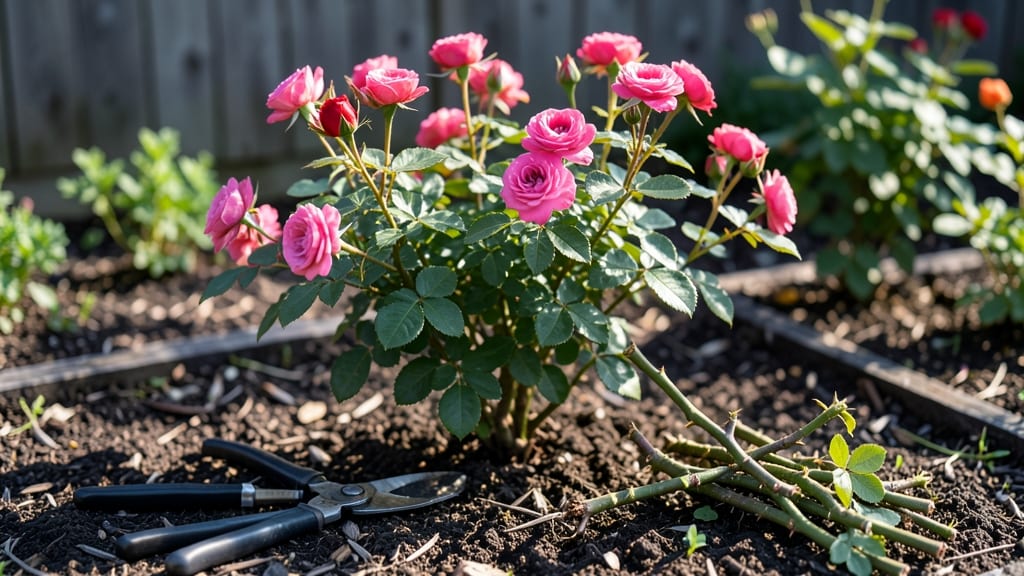
When to Trim Knockout Roses in NC: Exact Month-by-Month Schedule for Best Blooms

Pruning

When to Trim Knockout Roses in NC: Exact Month-by-Month Schedule for Best Blooms

To trim Knockout Roses in NC at the best time for blooms, aim for late winter or early spring before new growth starts.

North Carolina’s humid subtropical climate demands precision when trimming Knockout roses—cut too early or late, and you risk stunted blooms or pest invasions. Follow this science-backed schedule to maximize vibrant flowers year-round.

In zones 7a-8b, the ideal window falls between January and early March, just as the plant begins waking from dormancy. This timing ensures you remove dead wood while leaving enough structure for spring blooms.

Below, I’ll break down the exact steps, tools, and regional adjustments to keep your 🌹 Knockout Roses thriving—plus how to spot when you’ve pruned at the wrong moment.

NC-specific Knockout rose pruning calendar: month-by-month deadlines

North Carolina’s humid subtropical climate creates unique challenges for Knockout rose pruning. Unlike cooler regions, NC’s mild winters and hot summers demand a precise schedule to avoid stunted blooms or pest invasions.

My 12-month calendar aligns with NC’s frost dates (last frost: mid-April, first frost: late October) and heat spikes to keep your roses thriving year-round.

Knockout roses bloom continuously, but proper pruning timing maximizes their vibrant flowers. Cut too early, and you risk frost damage to new growth. Wait too late, and you’ll miss the optimal bloom window.

This schedule balances NC’s climate zones 7a-8b with Knockout rose biology—where late winter is ideal for major pruning and early fall sets the stage for next year’s blooms.

Month Pruning Task Key Deadline NC-Specific Notes
January Light cleanup Before late-January Remove dead/diseased wood only. Avoid heavy cuts—wait for bud swell.
February Major pruning By February 15 Cut back 1/3 of plant to outward-facing buds. NC’s mild winters allow early pruning.
March Final adjustments Before March 20 Shape plant and remove water sprouts. Monitor for early spring frost (rare but possible).
April Post-bloom thinning After last frost (mid-April) Trim spent blooms to encourage new growth. NC’s humidity increases fungal risk—sterilize tools.
May Light maintenance As needed Remove deadheading and crowded canes. Increase watering frequency for summer blooms.
June-July Minimal trimming After major blooms Cut back overgrown stems to maintain shape. Heat spikes (>90°F) stress roses—prune in early morning.
August Pre-fall prep By August 15 Remove weak growth to harden off plant. Reduce fertilizer to prepare for winter dormancy.
September Final pruning Before first frost (late Oct) Cut back 1/3 of plant again to encourage next year’s blooms. NC’s early fall warmth allows late pruning.
October-November Winter protection After first

Signs your Knockout Roses need pruning (and when to ignore them)

Your Knockout Roses might look lush year-round, but their overgrown canes or bare stems can signal it's time to prune. In North Carolina's USDA Zones 7a-8b, these visual cues help you decide between urgent pruning and waiting for dormancy.

The key? Understanding whether your rose is actively growing or dormant—especially after unpredictable spring frosts.

First, check for tangled canes that rub together, creating wounds where disease or pests can enter. If your rose has more than 3-4 main stems or bare wood at the base, it’s begging for a trim.

But if the plant is still leafing out in late winter, hold off—pruning too early can stimulate weak growth vulnerable to NC’s late frosts.

⚠️ callout warning

⚠️ NC Frost Risk Alert!

Never prune after March 15 in most of NC without checking your local frost dates. If buds are swollen but unopened by April 1, wait—pruning now risks frost damage to new growth. Use this rule: Prune when 50% of buds are still dormant (usually late February to early March).

🌡️ Pro Tip: If temps drop below 28°F, cover cuts with pruning sealant to prevent canker disease.

Another red flag? Fewer blooms despite healthy foliage. Overgrown Knockout Roses often compete with themselves, putting energy into leaf growth over flower production. Look for long, leggy stems with only a few buds—these need rejuvenation pruning to encourage bushier growth.

But if your rose is barely budding in January, it’s likely dormant and should wait until late winter.

Don’t ignore dead or diseased wood, though—this requires immediate removal, regardless of season. Cut back to healthy green tissue or a white pith center to stop spread.

For mild NC winters, you might spot new growth in December, but avoid heavy pruning until after the holiday frost risk (usually January 10).

Here’s the diagnostic flowchart for NC gardeners: If your rose has tangled canes + bare stems, prune now (late winter). If it’s leafing out early, wait until after last frost (mid-April).

For dormant roses with no buds, prune in February to avoid spring frost damage. Always step back—your Knockout Roses should resemble a rounded bush, not a tangled mess.

Remember, over-pruning is worse than under-pruning. Aim to remove 1/3 of old wood while keeping 3-5 strong canes. In NC’s humidity, sterilize tools between cuts to prevent black spot. With these signs in mind, you’ll keep your Knockout Roses blooming boldly all season—without the guesswork.

★★★★★4.5(5 reviews)
Categories Pruning