
Pruning
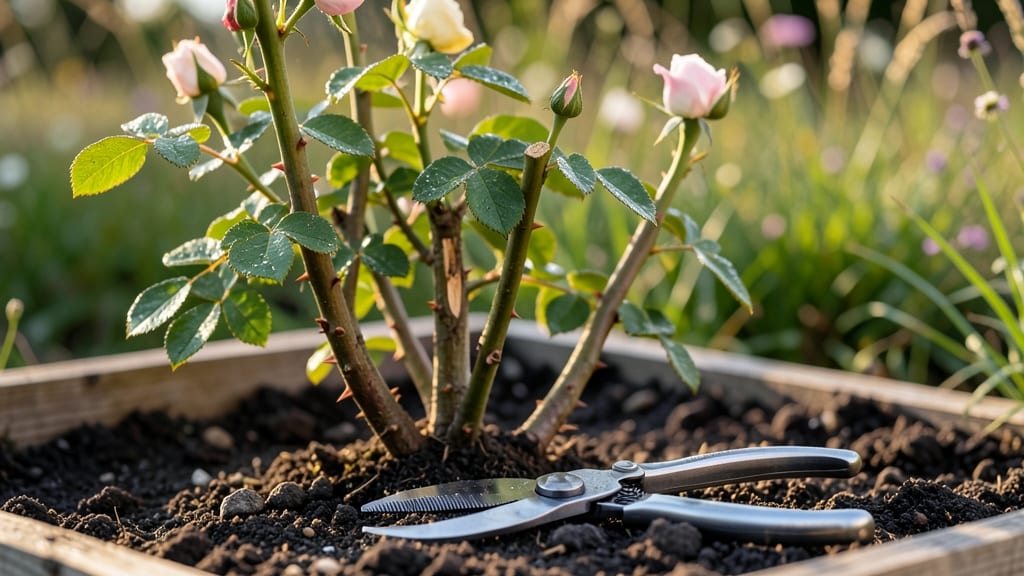
To prune roses in Pennsylvania, focus on late winter to early spring (February through March) for most varieties, just before new growth emerges, while hybrid teas and floribundas also need a light summer trim after blooming. Pennsylvania's hardiness zones 5-7 and rose types like climbers or shrub roses may require slight timing adjustments.
Timing matters because Pennsylvania's winters force roses into dormancy, making late winter the ideal window for major pruning. 🌸 The goal is to remove dead wood while preserving healthy buds—this boosts next year's blooms.
For climbers or shrub roses, you might delay slightly into early spring to avoid frost damage to fresh cuts. I've found that hybrid teas often need that extra summer trim to encourage continuous flowering, which works especially well in PA's humid summers.
Pro tip: Check your specific hardiness zone (5-7) and variety—some roses like 'Knock Out' roses handle pruning differently than traditional hybrid teas. Always use clean, sharp tools to prevent disease spread in PA's damp climate.
💡 In This Article
- Pennsylvania Rose Pruning by Hardiness Zone and Variety
- Step-by-Step Rose Pruning Guide for PA Gardens
Pennsylvania rose pruning by hardiness zone and variety
The perfect pruning window in Pennsylvania aligns with roses' natural dormancy cycle. When temperatures consistently stay below 40°F but before buds swell in spring, typically February through early March, you're working with the plant's biological rhythm.
This timing prevents frost damage to fresh cuts while removing dead wood that could harbor diseases like black spot, which thrives in PA's humid climate. The key is to prune when the plant's sap flow is minimal—this reduces stress and bleeding from cuts.
Hardiness zones 5-7 create subtle but important variations. In Zone 5 areas (like Erie or the Poconos), where winters are colder, wait until late February to avoid late frosts damaging tender new growth. Zone 6 (Central PA) and 7 (Southeast) can start slightly earlier in February.
Climbing roses and shrub varieties like 'Dr. Huey' need extra care—delay pruning until late March to let them harden off properly after winter. Hybrid teas and floribundas, however, respond well to earlier pruning as they bloom on new wood.
Variety-specific needs reveal why timing matters. Hybrid teas, known for their dramatic blooms, benefit from that late-winter pruning to encourage strong stems for summer flowers.
Floribundas get a second light trim in late June after their first flush to promote continuous blooming—a technique that works especially well in PA's long growing season. Disease-resistant varieties like 'Knock Out' roses can handle more aggressive pruning since they're less prone to fungal issues from cuts.
Here's what's actually happening at the cellular level: Pruning stimulates the release of auxin hormones that redirect energy to lateral buds, promoting bushier growth. The 45-degree angle cuts you make expose more surface area for new growth while preventing water from pooling on the wound.
In PA's climate, this technique is crucial—flat cuts can trap moisture, inviting bacterial infections that thrive in our summer humidity.
Consider these zone-specific adjustments:
- Zone 5: Wait until late February when soil temps reach 45°F—this prevents frost damage to fresh cuts
- Zone 6: Early to mid-February works best, aiming for 3-4 weeks before bud break
- Zone 7: Can start as early as late January if mild winters are typical
The science of rose pruning reveals why this timing works so well. When you prune during dormancy, you're essentially giving the plant a clean slate while it's conserving energy. The plant's vascular system is less active, so cuts heal faster.
This is why you'll see dramatically different results if you prune in fall—wounds take longer to heal in cooler weather, increasing disease risk. In PA's climate, where winters vary from year to year, this precise timing window becomes even more critical for consistent results.