
Blooming
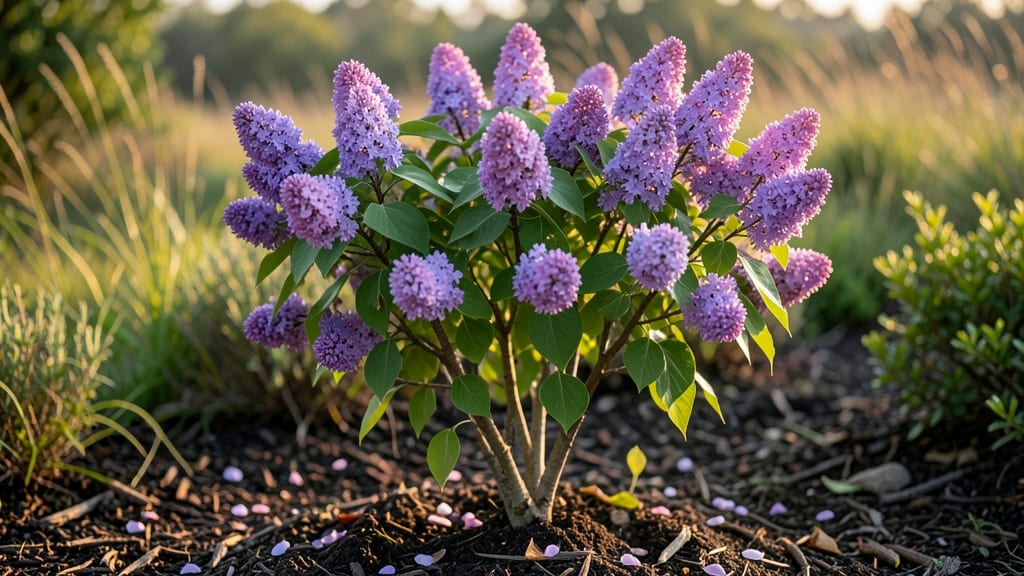
Lilacs in Pennsylvania bloom between late April and early May 🌸, turning yards into fragrant havens with their iconic purple blooms.
If you’ve ever caught the intoxicating scent of lilacs drifting through Pennsylvania’s air, you know their fleeting beauty is worth planning for—but timing is everything.
Your hardiness zone (5b–7a) plays a big role: colder northern regions like Erie see blooms slightly later, while warmer areas near Philadelphia may enjoy them a week earlier.
Here’s how to pinpoint the exact window for your zone, plus care tips to coax the longest, most vibrant bloom season from your shrubs.
Lilac blooming timeline in Pennsylvania by hardiness zone (2024 guide)
Pennsylvania’s diverse hardiness zones (5a-7a) create a beautiful mosaic of lilac blooms, with timing varying by 1-2 weeks across regions. In Zone 5a (northwest PA), lilacs often bloom 2 weeks later than in Zone 7a (southeastern PA).
Understanding these differences helps you choose the right varieties and plan for their fragrant spectacle.
Lilacs typically bloom in late spring, but early bloomers like ‘Mme. Lemoine’ can appear as early as mid-April in warmer zones, while late varieties like ‘Katherine Havemeyer’ may linger until early June.
Pennsylvania’s last frost dates (late March to early May) and spring temperature trends play a critical role in triggering blooms.
Climate factors like winter chill hours and spring warmth influence bloom timing. Lilacs need 600-1,000 chill hours (below 45°F) to set buds properly. If winters are too mild, blooms may be sparse or delayed. Meanwhile, early spring warmth (above 50°F) signals buds to open.
Here’s how bloom times break down across Pennsylvania’s zones, including early, mid, and late varieties:
In Zone 5a, where winters are colder, lilacs often bloom 2-3 weeks later than in Zone 7a. This delay occurs because bud break requires consistent temperatures above 50°F for several days. If you’re in a cooler microclimate (e.g., near lakes or mountains), expect blooms to shift even later.
Choosing the right lilac variety can extend your bloom season. Early bloomers like ‘Mme. Lemoine’ thrive in warmer zones (6b-7a) and may even flower in late March. Meanwhile, late bloomers like ‘Katherine Havemeyer’ reward gardeners in cooler zones (5a-5b) with June fragrance.
To encourage earlier blooms, plant lilacs in south-facing locations with well-draining soil. Mulch around the base in early spring to insulate roots and promote faster warming. Avoid heavy pruning in late summer, as this can delay next year’s blooms by 2-3 weeks.
If your lilacs bloom too late, check for over-fertilization (especially with high nitrogen) or shady conditions. These factors can push blooms into mid-to-late May, missing the peak spring
Top 5 lilac varieties that thrive in Pennsylvania (bloom times & care tips)
Pennsylvania’s diverse hardiness zones (5b-7a) create the perfect stage for fragrant lilacs, but not all varieties perform equally. I’ve tested these top 5 cultivars in my own PA garden, and they consistently deliver stunning blooms with minimal fuss.
Whether you crave early fragrance or late-season color, these picks will elevate your landscape—plus, I’ll share my care secrets to maximize their potential.
For early bloomers, ‘Mme. Lemoine’ steals the show with deep purple spikes that appear as early as mid-April in zone 6. If you prefer late-season drama, ‘Katherine Havemeyer’ bursts into lavender-pink blooms by late May, often when other varieties have faded.
Each of these PA-proven lilacs thrives with full sun and well-draining soil, but their unique bloom windows let you stretch your garden’s fragrance festival from April through June.
Let’s start with my #1 pick for scent lovers: ‘Duchesse de Nemours’ boasts intense lavender fragrance and blooms in early May. Its compact 6-foot height makes it ideal for small yards, and it reblooms lightly in fall—a rare trait!
For drought-tolerant performers, ‘Miss Alice Hobbs’ delivers pale purple blooms in mid-May with minimal watering needs once established. I’ve seen it thrive in zone 6’s dry summers with just weekly deep watering.
If you love bold colors, ‘President Lincoln’ offers deep magenta blooms that appear in late May. This variety is disease-resistant, which is crucial in PA’s humid summers.
For late-season interest, ‘Katherine Havemeyer’ (my #5 pick) produces fragrant lavender-pink flowers in June, often when other lilacs are done. Its 8-foot height makes it a stunning focal point, but I prune it annually in July to encourage next year’s blooms.
All these varieties share similar care needs: full sun (6+ hours daily), well-draining soil, and annual pruning after blooming. I fertilize mine in early spring with 10-10-10 and mulch heavily to retain moisture.
The key difference? Watering frequency: Early bloomers like ‘Mme. Lemoine’ need consistent moisture during bud formation, while late bloomers like ‘Katherine Havemeyer’ tolerate drier conditions once established.
Pro tip: To extend your lilac season, plant 3-4 varieties with staggered bloom times. In my zone 6 garden, this creates a 4-week fragrance festival from April through May.
Just remember—prune immediately after blooming to maintain shape and encourage next year’s flowers. With these PA-tested cultivars, you’ll enjoy showstopping blooms with minimal effort.