
Pruning
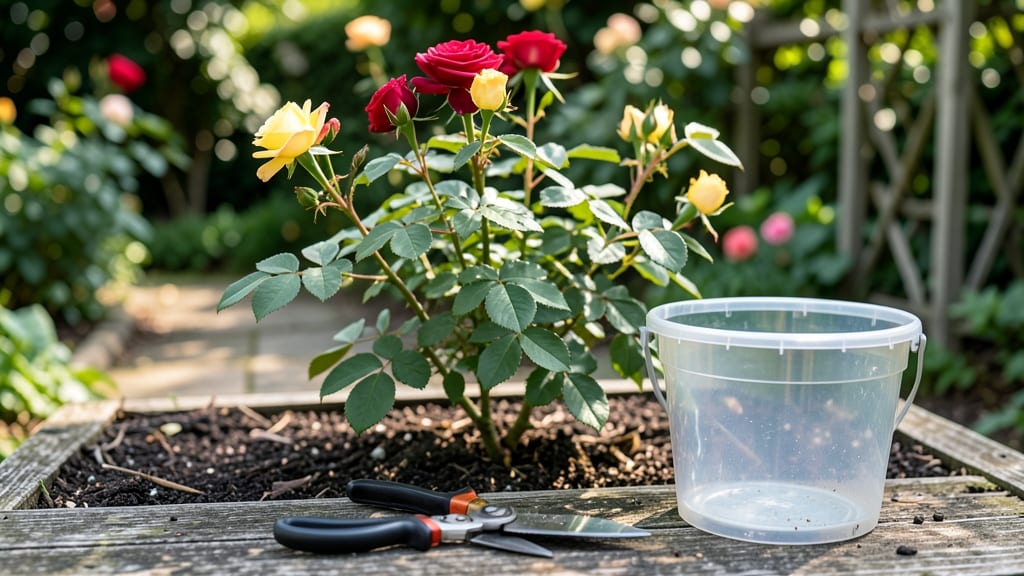
Pruning rose bushes in Texas at the right time means the difference between vibrant, heat-resistant blooms and struggling plants that wilt under the sun.
If you’ve ever watched your 🌹 rose bushes droop after a late-winter trim or fail to rebound in the summer heat, you’re not alone.
Texas’s climate demands a different approach than colder zones—pruning too early can stress roses before they’ve hardened off, while waiting too long risks heat damage or fungal problems.
Here’s the key: timing your cuts to align with Texas’s frost-free periods and extreme heat cycles. Whether you’re in Zone 8a’s chilly north or Zone 10b’s balmy south, the right schedule keeps your roses thriving year-round.
Below, I’ll break down the exact months to prune, how to shape your bushes for heat resistance, and the tools you’ll need to make every cut count—so you can enjoy nonstop blooms even in the hottest summers.
Texas rose pruning calendar: best months by climate zone
Texas’s diverse climate—from freeze-prone North to tropical-like South—demands a tailored rose pruning schedule. Pruning at the wrong time can invite fungal diseases or sunburn in our intense heat, while the right timing boosts heat-resistant growth and nonstop blooms.
Below, I’ve broken down the best months for each of Texas’s three climate zones to keep your roses thriving year-round.
Understanding your USDA hardiness zone is key. North Texas (Zones 8a-8b) faces occasional freezes, while Central Texas (Zones 8b-9a) enjoys mild winters, and South Texas (Zones 9a-10b) stays warm year-round. Each zone has distinct pruning windows to avoid stressing your roses during extreme temperatures.
| Climate Zone | Late-Winter Cleanup | Spring Shaping | Post-Bloom Trimming | Heat Stress Pruning |
|---|---|---|---|---|
| North Texas (Zones 8a-8b) | February (after last frost) | March-April | June-July | August-September (light trimming) |
| Central Texas (Zones 8b-9a) | January-February | February-March | May-June | July-August (minimal pruning) |
| South Texas (Zones 9a-10b) | December-January | January-February | April-May | June-July (light deadheading) |
In North Texas, wait until February after the last frost (typically mid-February) to perform your late-winter cleanup. This timing prevents freeze damage to fresh cuts.
Prune again in March-April for spring shaping, focusing on removing dead wood and opening the center for airflow—a must in humid Texas summers.
Central Texas gardeners can start earlier, with January-February being ideal for late-winter cleanup. The milder winters mean less risk of frost damage, so you can shape roses in February-March. Post-bloom trimming in May-June keeps roses from becoming overcrowded and encourages a second flush of blooms before the heat peaks.
For South Texas, where winters are nearly frost-free, prune in December-January for late-winter cleanup. Spring shaping happens in January-February, and post-bloom trimming shifts to April-May to avoid the 100°F+ summers. Here, light deadheading throughout summer is safer than heavy pruning, which can stress plants.
All Texas zones benefit from heat stress pruning in late summer. In North Texas, this means August-September light trimming to remove only diseased or crossing branches.
Central Texas can prune slightly later (July-August), while South Texas focuses on deadheading spent blooms to redirect energy into root growth rather than seed production.
One critical rule across all zones: never prune when temperatures exceed 90°F. High heat causes transpiration stress, making roses vulnerable to sunburn and disease. Instead, prune in early morning or late afternoon when it’s cooler, and always use sterilized tools to prevent bacterial infections.
After pruning, apply a 2-3 inch layer of mulch to retain moisture and regulate soil temperature. For newly pruned roses, I recommend a balanced fertilizer (10-10-10) in early spring to support new growth. Water deeply at the base, avoiding wetting the foliage to reduce fungal risks like black spot.
Texas’s heat and humidity make rose care unique, but with this zone-specific pruning calendar, you’ll keep your roses blooming beautifully while minimizing stress. Stick to these timelines, and you’ll enjoy heat-resistant roses that thrive year-round.
How to prune roses in Texas heat without killing them
Texas’s scorching summers and intense sun demand a specialized pruning approach to keep your roses thriving. Unlike cooler climates, pruning at the wrong time here can shock plants, invite fungal diseases, or even scorch new growth under relentless UV rays.
The key is timing cuts for airflow while protecting tender canes from heat stress.
Most gardeners focus on late winter pruning, but Texas’s mild winters and long growing season mean roses stay active year-round. I’ve learned the hard way that avoiding pruning during peak heat (June–September) is non-negotiable—your roses will thank you with healthier blooms and fewer pests.
⚠️ callout warning
- June–August (peak heat + humidity = fungal risks)
- After heavy rains (soil-borne diseases spread faster)
- When temps exceed 90°F (stresses recovery)
Start by removing dead, diseased, or crossing canes first—these compete for resources and trap moisture. Use clean, sharp pruners (disinfect with rubbing alcohol) to make 45-degree cuts just above an outward-facing bud. This opens the center for better airflow, reducing fungal risks that thrive in Texas’s humidity.
After pruning, apply a thin layer of mulch (2–3 inches) around the base to retain moisture and protect roots from heat. Water deeply at the base of the plant in the early morning to avoid wetting foliage, which can trigger mildew.
A light fertilizer (like 10-10-10) after pruning encourages heat-resistant growth.
Monitor your roses for sunburn signs like yellowing leaves or crispy edges—these mean they’re struggling with too much direct sun after pruning. If this happens, provide light shade (like a sheer cloth) for a few weeks until new growth hardens off.
Texas roses are tough, but they need gentle adjustments to handle our climate.
For repeat-blooming varieties (like Knock Out® roses), give them a light trim after each flush of flowers to encourage continuous blooming. Just avoid heavy cuts—stick to removing spent blooms and shaping lightly to maintain structure without stressing the plant during summer’s peak.