
Flowers
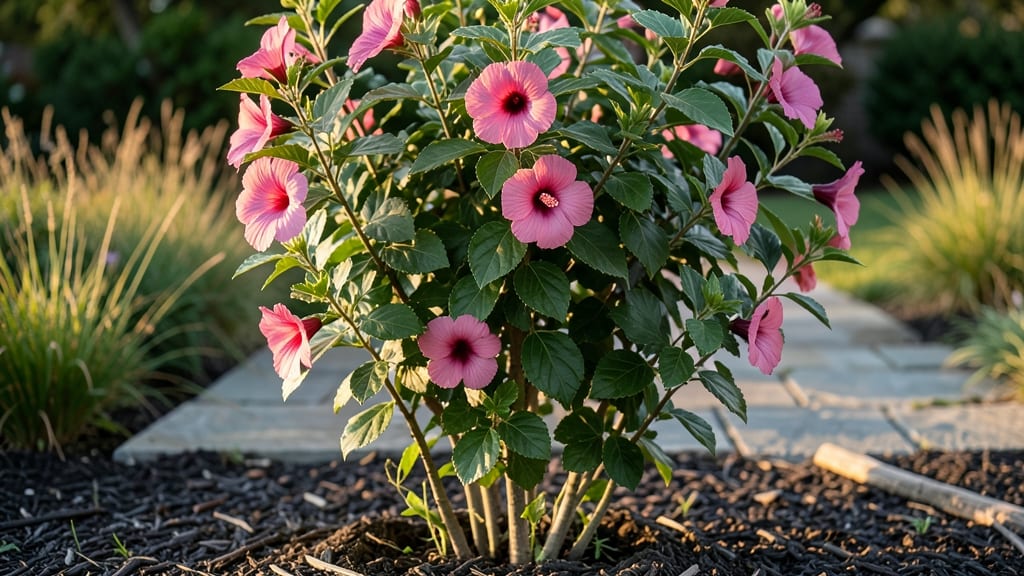
Growing Rose of Sharon in Texas turns your yard into a summer-long floral show—without the fuss of constant pruning or high-maintenance care. 🌿 I’ve watched mine thrive through 100°F heatwaves while neighbors’ roses wilt, and the secret lies in matching the right variety to Texas’ brutal summers and mild winters.
This isn’t your grandmother’s hibiscus—Texas Rose of Sharon handles drought better than most natives, blooms from late summer through frost, and resists the pests that plague other shrubs. The key?
Planting in well-draining soil, giving it morning sun and afternoon shade, and watering deeply once a week (more in peak heat). Varieties like ‘Dwarf Pink’ or ‘Blue Chiffon’ stay compact and handle our heat zones like pros.
By mid-July, you’ll see clusters of trumpet-shaped blooms that hummingbirds can’t resist, and the plant keeps producing until first frost. Pruning? Just a light cleanup in late winter—no heavy cuts needed. Even my black thumb keeps this one alive year after year.
Works in urban yards, rural homesteads, or even large containers—just avoid soggy soil, and you’re golden. Let’s get yours planted right from the start.
📚 In This Guide
- What you need
- Instructions
- Tips and common mistakes
- Wrapping up and next steps
What you need
- ● Rose of Sharon plants: 1–3 nursery-grown bushes (choose disease-resistant varieties like 'Diana' or 'Blue Bird' for Texas heat).
- ● Well-draining soil: Amend heavy clay soil with 2–3 inches of compost or organic matter (e.g., leaf mold or aged manure).
- ● Mulch: 2–3 inches of wood chips or pine straw to retain moisture and regulate soil temp.
- ● Watering can or hose: With a soaker hose attachment (critical for deep root hydration).
- ● Fertilizer: Balanced 10-10-10 or slow-release granular fertilizer (apply in early spring).
- ● Pruning shears: Bypass pruners (sharp, 5–7 inch blades) for clean cuts.
- ● Gloves: Heavy-duty gardening gloves (to protect from thorns and soil-borne pathogens).
- ● Trowel or spade: For planting holes (12–18 inches wide/deep).
- ● Stakes or cages: 3–4 ft tall metal or wooden supports (helpful for young plants in windy Texas areas).
- ● Drip irrigation system: Automates watering (ideal for summer droughts).
- ● Plant food: Epsom salt (magnesium sulfate) for green foliage (mix 1 tbsp per gallon of water, apply monthly).
- ● Pest control: Neem oil spray (prevents aphids/whiteflies common in Texas heat).
- ● Sun hat & sunscreen: For you—Texas sun is no joke! 😎
Instructions for planting and caring for Rose of Sharon in Texas heat
Here's how to establish this drought-tolerant shrub so it thrives through Texas summers with minimal fuss.
🌱 Step 1: Choose the Right Location and Plant at the Correct Time
Select a site with full sun exposure—at least 6-8 hours daily—and well-draining soil. Rose of Sharon tolerates heat but needs afternoon shade in the hottest parts of Texas (Zones 7-9). I plant mine in early spring after the last frost date, giving roots time to establish before summer's intensity.
Dig a hole twice as wide as the root ball but no deeper. The top of the root ball should sit 1-2 inches above ground level—this prevents waterlogging during heavy rains. Amend heavy clay soil with 2-3 inches of compost mixed into the bottom of the hole to improve drainage.
☀️ Step 2: Water Deeply and Establish a Consistent Schedule
Water immediately after planting to settle the soil around roots, then again every 3-4 days for the first month. You'll know it's time when the top 2-3 inches of soil feel dry to the touch. Overwatering is the biggest mistake—Rose of Sharon is drought-tolerant once established but can't handle soggy roots.
After the first month, reduce watering to once weekly during summer, focusing on deep watering that reaches 12-18 inches down. Mulch with 2-3 inches of shredded bark around the base (keeping it 6 inches from the trunk) to retain moisture and regulate soil temperature.
✂️ Step 3: Prune Strategically for Texas Heat and Bloom Production
The key to minimal pruning is timing—wait until late winter or early spring (February-March) when new growth begins. Remove 1/3 of the oldest stems at ground level to encourage vigorous new growth. This rejuvenates the shrub while maintaining its natural shape.
Deadhead spent blooms by cutting back to the first set of healthy leaves below the flower cluster. This redirects energy to new growth rather than seed production. Avoid heavy pruning in summer—it stresses the plant during peak heat. You'll see more abundant blooms next season from this approach.
🌿 Step 4: Fertilize Lightly and Monitor for Pests
Apply a balanced 10-10-10 fertilizer in early spring and again after flowering, using about ½ pound per 100 square feet. Rose of Sharon doesn't need heavy feeding—too much nitrogen produces leafy growth at the expense of flowers. I always water thoroughly before and after applying fertilizer to prevent root burn.
Watch for aphids and spider mites, which thrive in Texas heat. Blast off pests with a strong spray of water or apply insecticidal soap if infestations appear. Healthy plants in good locations rarely need chemical treatments—prevention through proper care works best.
⏰ Step 5: Prepare for Winter Dormancy
Stop fertilizing by mid-summer to allow the plant to harden off for winter. In colder parts of Texas (Zone 7), mulch heavily with 4-6 inches of straw or leaves around the base after the first frost. This protects roots from temperature swings that can cause heaving.
Prune lightly in late winter if needed, but avoid heavy cuts. Rose of Sharon blooms on old wood, so aggressive winter pruning reduces next year's flowers. The plant's natural resilience means it rebounds quickly after dormancy—just give it time to wake up gradually in spring.
Tips & tricks for thriving Rose of Sharon in Texas heat
Between us, these are the tricks that've kept my Rose of Sharon blooming like crazy through Texas summers—without the fuss.
Location is Everything: That 6-8 hours of full sun is non-negotiable, but here's the secret: in the hottest parts of Texas (like Zone 8-9), I actually plant mine where it gets morning sun and afternoon shade from nearby trees. The afternoon shade prevents leaf scorch while still giving it enough light to thrive. The key is positioning it where the shade starts kicking in around 2 PM—just when temperatures peak.
Soil Prep Secret: Texas clay soil can be a death sentence for new plants, but I've found that mixing in those 2-3 inches of compost isn't just about drainage—it's about creating a sponge-like environment. The compost breaks up the clay while holding moisture just enough to prevent drought stress. Pro tip: Test your soil's pH first—Rose of Sharon prefers slightly acidic soil (6.0-6.5). If yours is alkaline, add sulfur to adjust before planting.
Watering Wisdom: The once-weekly watering schedule works, but timing matters more than you'd think. I water deeply in the early morning (before 8 AM) rather than evening—this gives the plant time to absorb moisture before the Texas sun evaporates it. And here's what nobody tells you: if you see wilting leaves in the afternoon heat, it's already too late to water then. The plant needs that moisture before the heat stress hits.
Pruning Payoff: That late winter/early spring pruning window is critical, but I've learned to look for the plant's natural signals. When you see those oldest stems starting to turn brown at the base, that's your cue to prune them. I also make it a habit to mark the stems I'm removing with a flag in late winter—this prevents me from accidentally cutting back the wrong stems when I'm in a hurry. The result? More blooms next season without sacrificing the plant's structure.
Pro Tips for Rose Of Sharon In Texas
- Between us, these are the tricks that've kept my Rose of Sharon blooming like crazy through Texas summers—without the fuss.
- The afternoon shade prevents leaf scorch while still giving it enough light to thrive.
- Soil Prep Secret: Texas clay soil can be a death sentence for new plants, but I've found that mixing in those 2-3 inches of compost isn't just about drainage—it's about creating a sponge-like environment.
Frequently asked questions
Got questions about growing Rose of Sharon in Texas?
You’re not alone! Here are some of the most common queries—and their answers—to help you cultivate this hardy beauty with confidence.
Can Rose of Sharon survive Texas summers without extra water?
This drought-tolerant shrub thrives in Texas heat once established (after 1–2 years). Once roots are deep, water only during prolonged dry spells—overwatering can stress it. Mulch with 2–3 inches of organic material (like shredded bark) to retain moisture and regulate soil temp. Pro tip: Morning watering minimizes evaporation!
How long does it take for Rose of Sharon to bloom after planting?
Patience pays off! Most Hibiscus syriacus varieties bloom in their second year, but well-established plants (3+ years old) may flower sooner. For faster blooms, plant container-grown shrubs (they’re ahead in the growth game). Prune lightly after flowering to encourage next year’s buds. Fun fact: Some varieties, like ‘Diana,’ bloom heavier in Texas’s mild winters!
Do I need to prune Rose of Sharon heavily in Texas’s warm climate?
Not at all! Unlike finicky shrubs, Rose of Sharon hates aggressive pruning. Focus on light shaping in late winter/early spring (before new growth) to remove dead wood or wayward branches. Avoid cutting into old wood—it won’t regrow. For Texas’s heat, skip summer pruning entirely to prevent stress. Quick hack: Use sanitized shears and prune at a 45° angle for faster healing.
What’s the best alternative if Rose of Sharon struggles in my Texas yard?
If your soil is too alkaline (pH > 7.5) or drainage is poor, try these Texas-friendly substitutes:
- Anisacanthus (‘Firecracker Plant’) – Drought-proof, hummingbird magnet, and thrives in full sun.
- Texas Sage (Leucophyllum frutesens) – Silver foliage, purple blooms, and zero fuss.
- Crape Myrtle – Loves heat, blooms all summer, and handles Texas’s clay soil like a champ.
Why aren’t my Rose of Sharon flowers lasting long, even with deadheading?
Short-lived blooms often mean one of three issues:
- Over-fertilizing: Too much nitrogen = lush leaves, few flowers. Use a balanced 10-10-10 fertilizer sparingly in spring.
- Inconsistent sunlight: These shrubs crave 6+ hours of direct sun daily. If shaded, blooms fade faster.
- Inconsistent watering: Fluctuating moisture stresses the plant. Stick to deep, infrequent watering (1–2x/week in summer).
Wrapping up and next steps
Growing Rose of Sharon (Hibiscus syriacus) in Texas is absolutely doable—even in the heat!
With its minimal pruning needs and stunning blooms, this hardy shrub is a dream for gardeners looking for low-maintenance beauty. 🌸 Whether you're a beginner or a seasoned pro, its resilience and adaptability make it a fantastic addition to your landscape.
Ready to transform your yard? Start by selecting the perfect spot—sunny, well-drained soil—and give your Rose of Sharon the love it deserves. Watch as it flourishes with vibrant blooms and becomes the star of your outdoor space! 🌿