
Plants
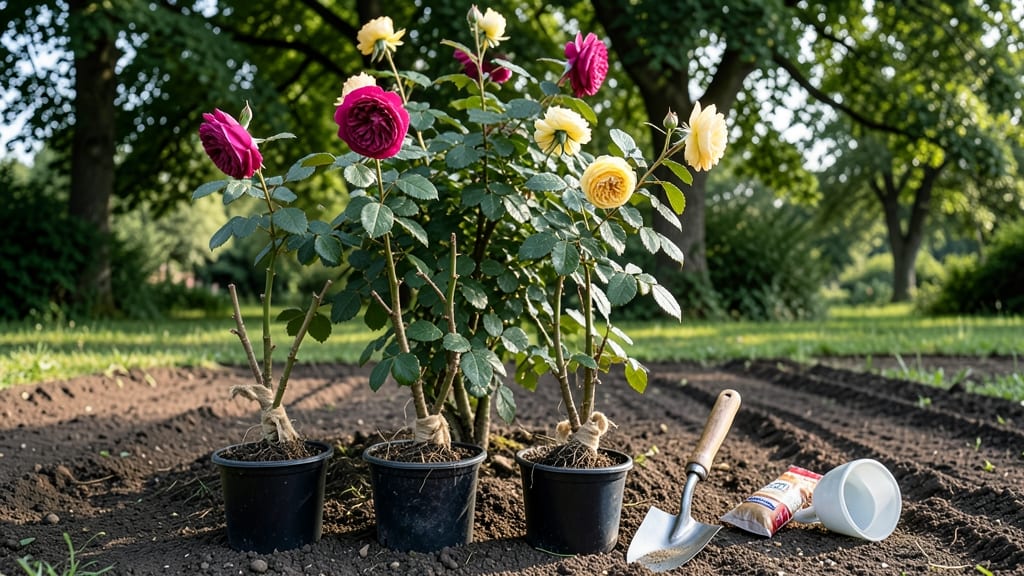
Planting roses in Utah requires knowing the exact timing to avoid frost damage or summer stress—your best window is March-April for spring or September-October for fall.
Utah’s climate is anything but ordinary. One day it’s a crisp 50°F morning, the next a scorching 90°F afternoon, and your roses need the perfect start to handle both. Get it wrong, and you’ll end up with weak roots or wilted blooms before they even begin.
This guide breaks down Utah’s frost dates by region—whether you’re in Salt Lake City’s Zone 6b or St. George’s Zone 8a—plus soil prep tips to give your roses the strongest foundation. No more guessing if your timing is right.
You’ll learn how to pick the right varieties (like heat-tolerant Knock Out roses), prep your soil for Utah’s alkaline conditions, and avoid the three biggest mistakes that kill roses before they bloom.
Utah’s frost dates and best planting windows for roses
Utah’s climate varies dramatically between its northern and southern regions, making frost dates a critical factor for successful rose planting.
In northern Utah (like Salt Lake City), the last frost typically arrives around mid-April, while southern Utah (such as St. George) sees its last frost as early as late February. These differences mean your planting window should align with your specific microclimate to avoid frost damage.
For most Utah gardeners, the ideal planting windows are early spring (March-April) and early fall (September-October). Spring planting gives roses time to establish roots before summer heat, while fall planting allows them to settle in before winter dormancy.
However, timing is everything—planting too early risks frost damage, and planting too late may stress young plants before winter.
To determine your exact frost dates, check local resources like the National Weather Service or your county extension office. For example, Ogden averages its last frost around April 15, while Provo might see it a week later.
Southern Utah’s warmer climate means you can often plant 4-6 weeks earlier than northern regions.
Soil temperature is just as important as air temperature. Roses thrive when soil is at least 50°F (10°C). Use a soil thermometer to check—if it’s colder, wait a few more weeks.
In high-elevation areas like Park City, soil may stay cold longer, delaying planting until late April or May.
Here’s how Utah’s regional frost dates and planting windows compare:
If you’re planting in fall, aim for 6-8 weeks before your first frost. This gives roots time to establish before winter dormancy. For example, in Salt Lake City, September is ideal, while in St. George, you can plant as late as early November.
Microclimates play a huge role in Utah’s gardening success. A south-facing slope warms up faster in spring, while a north-facing yard may stay colder longer. Use these microclimates to your advantage—plant heat-loving roses like Knock Out roses in sunny spots and more cold-hardy varieties in shaded areas.
To protect young roses from unexpected frosts, use row covers or mulch heavily (3-4 inches) around the base. In high-elevation areas, consider container gardening for easier temperature control. With the right timing and a little extra care, your Utah rose garden can thrive year after year.
Remember, bare-root roses should be planted 4-6 weeks before your last frost, while container-grown roses can go in the ground anytime the soil isn’t frozen.
Always check the USDA hardiness zone for your specific variety—most roses do well in zones 5-9, but some heat-tolerant varieties can handle Utah’s summer extremes.
🌹How to prepare Utah soil for rose planting success
Utah’s alkaline soil and dry climate can challenge rose growers, but with the right prep, your roses will thrive. The key is amending soil structure and adjusting pH—both critical for Utah’s USDA zones 5-7.
Start by testing your soil’s pH level, which typically ranges from 7.5 to 8.5 in Utah due to limestone bedrock.
Roses prefer a slightly acidic pH (6.0-6.5), so you’ll need to lower pH naturally using organic matter. Avoid synthetic amendments like sulfur, which can harm beneficial microbes in Utah’s arid ecosystems. Instead, focus on compost, peat moss, and pine needles to create an ideal growing environment.
Use a DIY pH test kit or send a sample to your local Utah State University Extension. Aim for 6.0-6.5 pH—Utah’s native sagebrush and gambel oak thrive in higher pH, but roses need acidity.
Mix in 3-4 inches of compost or aged manure into the top 12 inches of soil. For heavier clay soils (common in Salt Lake Valley), blend in sand or perlite to improve drainage.
Utah’s low humidity and high UV favor Knock Out roses, Earth-Kind roses, or David Austin English roses. These varieties handle alkaline soil and water restrictions better than hybrid teas.
Roses hate waterlogged roots. If your soil is clay-heavy, create a raised bed or amend with coarse sand. In St. George’s desert climate, mulch with gravel or wood chips to retain moisture.
Apply 2-3 inches of mulch (straw, pine bark, or Utah’s native cedar chips) to lock in moisture and regulate soil temperature. Avoid fresh wood chips, which can tie up nitrogen.
For container gardening in Utah’s urban areas (like Park City or Provo), use a well-draining potting mix with 30% perlite or vermiculite. Add a slow-release fertilizer at planting time to compensate for Utah’s nutrient-poor soils.
Roses in containers dry out faster, so monitor soil moisture daily during summer heatwaves.
Finally, consider native companion plants like Russian sage or purple coneflower to improve soil health and attract pollinators. These plants thrive in Utah’s conditions and complement roses beautifully while reducing the need for extra watering.
With these steps, your Utah rose garden will have stronger roots, better bloom production, and greater resilience against the state’s extreme temperature swings. Happy planting! 🌹