
Plants
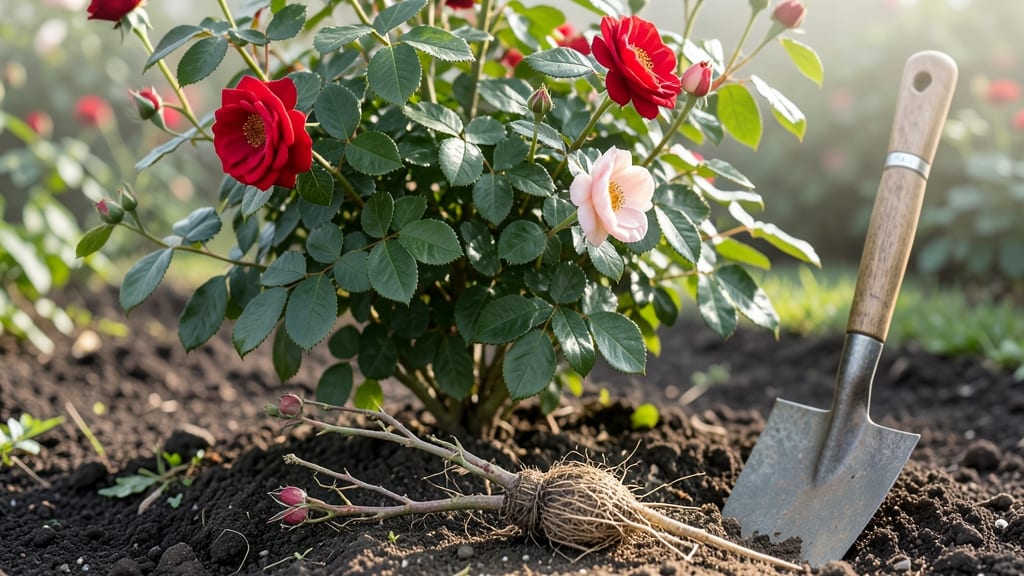
Planting roses in Ohio after the last frost—typically mid-April—sets the stage for a season of vibrant blooms 🌹, but timing is everything.
Ohio’s unpredictable spring weather can make planting roses a gamble—get the timing wrong, and your blooms may never reach their full potential. But with the right zone-specific strategy, you can ensure your roses thrive from the first frost to the last bloom.
Whether you’re working with bare-root roses or container-grown varieties, understanding Ohio’s USDA zones (5b-6b) and soil readiness is key. The difference between a thriving rose bush and a struggling one often comes down to planting too early or too late.
In this guide, I’ll break down the best months for planting, how to prep your soil, and pro tips for extending your planting window—so you can enjoy roses that burst into color from June through September.
Ohio planting zones and best months for roses
Ohio spans USDA zones 5b through 6b, meaning our gardeners face short growing seasons and unpredictable frost dates. In northern Ohio (5b), last frosts can linger until mid-May, while southern Ohio (6b) often sees frost-free conditions by early April.
This variance makes timing critical—plant too early, and your roses face transplant shock; too late, and they struggle to establish roots before winter.
For bare-root roses, the sweet spot is late April to early May across most of Ohio. Container-grown roses, however, offer flexibility—they can handle soil temperatures above 60°F, so you might start as early as mid-April in southern zones.
Always check your local frost-free date (typically April 15–May 15) to avoid cold snaps that stunt growth.
Soil temperature is your best friend here. Roses need consistently warm soil (60°F+) to root effectively. Use a soil thermometer to confirm—if it’s cooler, wait. In northern Ohio, this often means delaying until late May, while southern Ohio gardeners can plant as early as April 1 if conditions cooperate.
| Zone | Ideal Planting Window | Soil Temp Threshold | Frost Risk | Rose Type |
|---|---|---|---|---|
| 5b (Northern OH) | Late April–Early May | 60°F+ | High (last frost: May 15) | Bare-root, Hybrid Teas |
| 6a (Central OH) | Mid-April–Late May | 55°F+ (bare-root) | Moderate (last frost: April 20) | Container, Floribundas |
| 6b (Southern OH) | Early April–Mid-May | 50°F+ (bare-root) | Low (last frost: April 1) | All types, Climbing |
| Urban Microclimates | Late April–Early June | 60°F+ (container) | Variable (heat islands delay frost) | Dwarf, Patio Roses |
Fall planting is another often-overlooked strategy for Ohio gardeners. Bare-root roses planted in October (before the first frost) can establish roots over winter and burst into bloom earlier next spring. Aim for 6 weeks before your first frost—typically mid-September to early October—and mulch heavily to protect roots.
Urban gardeners in Ohio cities like Columbus or Cleveland face unique challenges due to heat islands, where pavement retains heat and delays frost. Monitor local microclimates: a downtown lot might be 5–10°F warmer than rural areas, allowing earlier planting.
Use container-grown roses for flexibility—they warm up faster and can be moved to sheltered spots if frost threatens.
If you’re planting in late spring (June or later), focus on container-grown roses or dwarf varieties that establish roots quicker. Avoid bare-root roses after mid-June, as they lack the time to harden off before winter.
For these late plantings, mulch deeply (4–6 inches) and water consistently to compensate for the shorter growing season.
Frost dates aren’t the only factor—soil moisture matters too. Roses planted in dry soil struggle to root, even if temperatures are ideal. Before planting, ensure your soil is moist but well-draining. A simple test: squeeze a handful—if it holds shape but crumbles when prodded, it’s perfect. Water deeply after planting to encourage root growth into damp soil.
For hybrid teas and grandifloras, which are sensitive to transplant shock, prioritize early spring planting (April) in southern Ohio or late April in northern zones.
These varieties need 6–8 weeks of root establishment before summer heat arrives. Climbing roses, on the other hand, can handle fall planting better due to their robust root systems.
Pro tip: Use row covers or cold frames to extend your planting window by 2–3 weeks in early spring or late fall. These create a microclimate that protects young roses from late frosts or
Signs your Ohio soil is ready for rose planting
Ohio’s spring soil can be a mixed bag—too cold and your rose roots will shock, too wet and they’ll rot. But when the conditions align, your roses will take off like a well-timed spring bloom. The key? Watch for these clear signals that your soil is finally ready for planting.
First, soil temperature is your best friend. Roses need the ground to stay consistently above 60°F for at least a week before planting. Use a soil thermometer to check—if it’s hovering around 65-70°F, you’re in the sweet spot.
This warmth ensures roots can establish without freezing, even if nights are still chilly.
🌱 5 Signs Your Ohio Soil Is Ready
- 1. Soil temp hits 60°F+ for 7+ days
- 2. Daffodils are fully blooming in your area
- 3. Earthworms are active in your garden beds
- 4. Soil crumbles easily when squeezed (not sticky)
- 5. Last frost date has passed (check your zone)
Next, pay attention to native indicators. When daffodils are in full bloom, it’s a sure sign that your soil has warmed enough for roses. This timing usually lands in mid-April to early May across most of Ohio, but northern zones (5b) may need to wait until late May.
Also, if you spot earthworms crawling on the surface, your soil’s microbial life is thriving—perfect for rose roots.
For soil texture, grab a handful and squeeze it. If it crumbles easily without sticking to your hand, it’s at the right moisture level.
If it’s rock-hard or mushy, you’ll need to adjust with compost or water before planting. Southern Ohio (zones 6a-6b) often dries out faster, so test moisture daily if you’re in this region.
Finally, prep your soil based on your location. In northern Ohio, mix in 3-4 inches of compost to improve drainage and add organic matter. For southern Ohio’s heavier clay soils, amend with sand or peat moss to prevent waterlogging.
Always work the amendments into the top 12 inches of soil where roots will establish.
Once these signs align, your roses are ready to go in! Plant on a cloudy day or in the late afternoon to reduce transplant shock. Water deeply after planting to settle the soil and encourage root growth—your Ohio roses will thank you with vibrant blooms all season. 🌹