
Plants
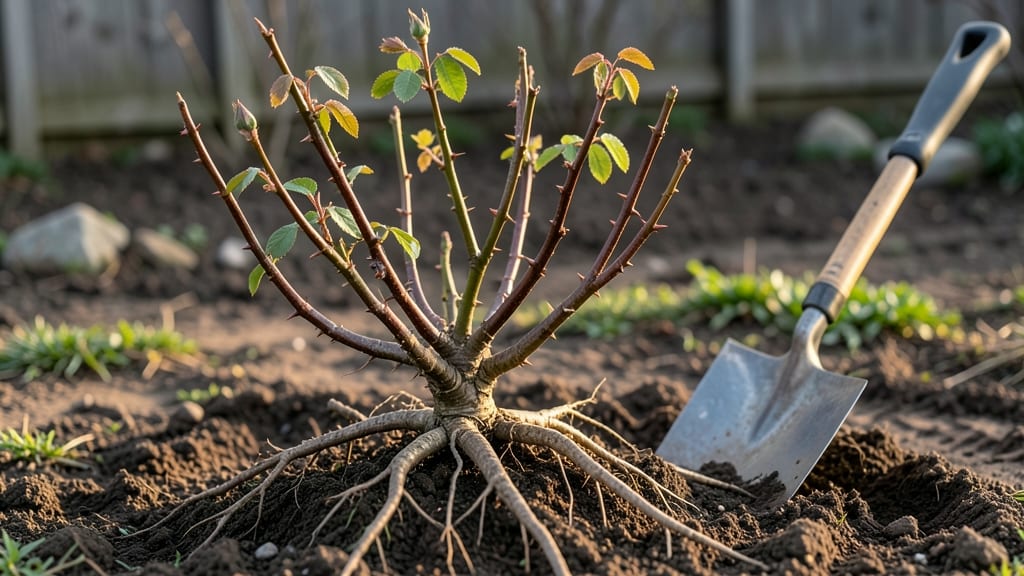
Planting roses in Connecticut at the right time ensures strong roots and stunning blooms 🌹 — aim for early spring or fall, when soil temperatures and frost risks align just right.
Timing your rose planting in Connecticut can mean the difference between vibrant blooms and struggling shrubs. Too early and frost heave can damage roots; too late and your roses won’t establish before winter.
The 6a zone gives you two ideal windows: April to May or September to October, but the details matter.
Bare-root roses need cooler soil to wake up, while container-grown varieties can handle slightly warmer conditions. I’ll break down the exact dates by zone, soil prep secrets, and how to spot the perfect moment—because even a week off can change everything.
You’ll leave here knowing when to dig, how deep to plant, and the one mistake that kills roses faster than frost. Let’s get your garden ready for next season’s showstopper blooms.
Best planting times for roses in Connecticut by hardiness Zone
Connecticut’s hardiness zones 5-7 create unique challenges for rose gardeners, where timing is everything. Plant too early, and frost heave can damage delicate roots. Too late, and your roses won’t establish before winter’s chill.
I’ve planted roses across Western CT (Zone 6a) and Eastern CT (Zone 7a), and I’ll share the exact windows that work—plus how to adapt for bareroot vs. potted roses.
The last spring frost in Connecticut typically arrives around April 15, while the first fall frost hits about October 15. These dates bookend your planting windows, but soil temperature—at least 50°F (10°C)—is the real game-changer.
Cold soil slows root growth, leaving your roses vulnerable to disease. I’ll break down the best times for each zone, so you can plant with confidence.
Spring planting in Connecticut gives roses 6-8 weeks to establish roots before summer heat arrives. For Zone 5, I recommend waiting until late April—even if the air feels warm, soil temperature is the true indicator.
In Zone 7a, you can start as early as March, but protect young plants with row covers if frost threatens. I’ve seen hybrid tea roses planted in March wilt when a late frost hits, so always check your local frost date averages.
Fall planting is my top recommendation for Connecticut gardeners because roses establish roots in cool soil without competing with summer heat. Aim to plant 6-8 weeks before your first frost—typically late August to mid-September for most of the state.
In Zone 7a, you can push it to late October if the weather stays mild. The key is giving roots time to harden off before winter. I once planted David Austin roses in early October, and they struggled through the winter—lesson learned!
For bareroot roses, timing is critical. These dormant plants must be planted while still bare-root (no soil on roots). In Connecticut, this means late winter to early spring (February-March) or fall (October-November). If you buy bareroot roses in spring, soak them overnight in lukewarm water before planting.
Potted roses, on the other hand, are more flexible—they can go in the ground anytime the soil is workable, but spring or fall still gives them the best start.
Don’t overlook soil preparation—Connecticut’s clay-heavy soil can suffocate rose roots if not amended. I mix in compost and sand to improve drainage, then add a 2-inch layer of mulch to retain moisture and regulate temperature.
In Zone 5, I double the mulch thickness to protect roots from frost heave. Water deeply after planting, and keep the soil
How to choose planting dates based on rose variety
Not all roses thrive on the same schedule in Connecticut’s Zone 6a climate. Hybrid teas and David Austin roses demand precise timing, while rugosa roses and climbers offer more flexibility.
Understanding your rose’s cold hardiness and heat sensitivity ensures stronger roots and bigger blooms. Let’s break down the best planting windows by type.
For spring planting (April–May), focus on bareroot roses like hybrid teas and grandifloras.
These varieties need 4–6 weeks before the last frost to establish roots before summer heat arrives. David Austin roses, known for their fragrant blooms, are especially sensitive—plant them in early April to avoid stress from Connecticut’s late spring frosts.
| Rose Variety | Best Planting Window | Key Considerations | Notes for CT |
|---|---|---|---|
| Hybrid Teas | Early April–May or September–early October | Needs 6+ hours sun; heat-sensitive | Avoid late May—summer heat stress |
| Climbing Roses | Late April–May or September | Large root system; needs support | Plant near trellis at least 3 weeks before last frost |
| Shrub Roses | April–June or September–October | Cold-hardy; drought-tolerant | Ideal for fall—roots establish before winter |
| David Austin (Heirloom) | Early April or September | Heat-sensitive; fragrant blooms | Mulch heavily—avoid late spring planting |
| Rugosa Roses | April–May or September–October | Cold-hardy; disease-resistant | Thrives in CT’s coastal zones—plant early spring |
Fall planting (September–early October) works best for shrub roses and rugosas, which establish roots before winter dormancy. Hybrid teas planted in fall need 6 weeks to root before the first frost—aim for early September in Connecticut’s Zone 6a. Climbers benefit from fall planting too, but ensure they’re well-mulched to protect roots.
Heat-sensitive varieties like David Austin roses should never be planted in late May or June. The combination of high humidity and summer heat in Connecticut creates ideal conditions for black spot fungus.
Instead, opt for early spring or fall to give these roses a fighting chance. Container-grown roses can be planted slightly later (up to June 15), as their roots are already established.
If you’re unsure about your rose’s hardiness, check the USDA Zone 6a tags on your plants. Rugosa roses and shrub varieties are the most forgiving, while hybrid teas and grandifloras require precise timing.
Always amend your soil with compost and rose-specific fertilizer before planting—this gives your roses a head start in Connecticut’s clay-heavy soils.
Pro tip: Mark your planting dates on a garden calendar and set reminders for watering schedules. Newly planted roses need 1–1.5 inches of water weekly—more in drought conditions. With the right timing, your roses will reward you with vibrant blooms from June through October.