
Plants
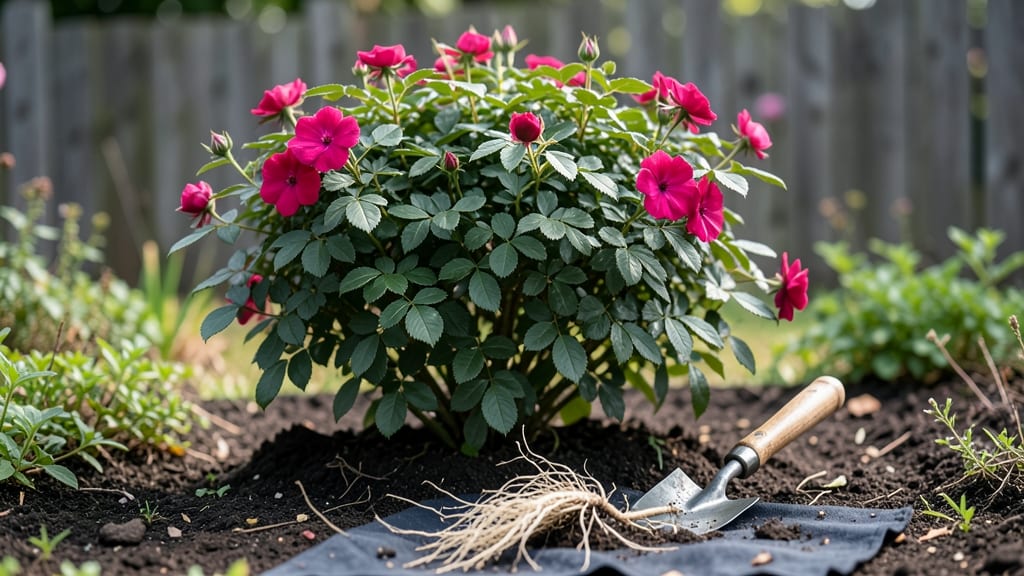
Planting roses in Kansas at the right time means the difference between vibrant blooms and struggling shrubs 🌹 — aim for early spring or fall when soil temperatures and frost risks align.
Kansas gardeners know timing is everything: plant roses too early, and frost will strike; too late, and your blooms may never reach their full potential. Mastering the perfect window ensures roses thrive in zones 5b-7a, where sudden temperature swings and drought can turn a beautiful garden into a battle.
Bare-root roses need 4-6 weeks before your last frost (around mid-April), while container-grown varieties offer more flexibility. The key is soil that’s workable but not frozen — a tricky balance in Kansas’ unpredictable spring.
Below, I break down the best months by zone, soil prep tips to beat Kansas’ clay-heavy ground, and how to adjust for your specific location — whether you’re in Wichita’s 7a or Topeka’s 6a.
Kansas planting zones: when to plant roses by hardiness Zone
Kansas spans USDA hardiness zones 5b through 7a, creating distinct planting windows for roses. In Zone 5b, gardeners face earlier frosts, while Zone 7a enjoys extended growing seasons. The key to success?
Planting when soil temperatures rise above 45°F (7°C) and after the last frost date—typically mid-April in most regions. Fall planting also works, but must finish 6-8 weeks before first frost (usually by mid-October).
Bare-root roses need special timing—they must establish roots before summer heat arrives. Container-grown roses offer more flexibility, allowing year-round planting in mild weather. Kansas' variable spring temperatures mean checking soil readiness is critical. Use a soil thermometer to confirm 50-60°F (10-15°C) before planting.
Below, I’ve broken down the ideal planting windows for each Kansas zone, including first/last frost dates, soil temperature guidelines, and specific calendar months for both bare-root and container roses. These timelines ensure your roses thrive despite Kansas’ drought-prone summers and unpredictable springs.
In Zone 5b, the narrow window between frost dates means spring planting is critical. Aim to plant bare-root roses by April 15 to avoid summer stress. For Zone 6a, you gain flexibility—container roses can even handle late spring plantings in May if soil stays moist.
Meanwhile, Zone 7a gardeners can push boundaries with February plantings for early blooms.
Fall planting is another smart strategy for Kansas, but timing varies by zone. In Zone 5b, wrap up by October 1 to allow roots to establish before winter. Zone 7a offers a longer window—planting until November 1 is safe.
Always choose disease-resistant varieties like 'Knock Out' roses or 'Dr. Huey', which handle Kansas' humidity and pests better.
Pro tip: Use mulch after planting to retain moisture and regulate soil temperature. In Kansas’ hot, dry summers, mulch reduces water loss by up to 30%.
For bare-root roses, soak roots for 1-2 hours before planting to jumpstart hydration. Container roses, however, need immediate watering after transplanting to reduce shock.
Watch for late spring frosts, common in Kansas’
Signs your Kansas soil is ready for rose planting (and what to do if it’s not)
Your Kansas soil might look ready, but roses need specific conditions to thrive. The key is checking soil temperature, moisture levels, and drainage before planting. Cold, soggy soil can stunt root growth, while dry, compacted soil struggles to support new plants.
Let’s break down what to look for and how to fix common Kansas-specific issues.
First, test your soil temperature—roses need soil that’s at least 50°F (10°C) for roots to establish properly. In Kansas, this usually means waiting until mid-April in most zones. Use a soil thermometer to check 6 inches deep, where roots will grow.
If it’s still chilly, cover the area with black plastic mulch for a week to warm it up.
Next, assess moisture levels. Kansas soil can swing from drought-like dryness to waterlogged after heavy rains. Stick your finger 2 inches deep—if it feels dry, water thoroughly before planting. If it’s muddy, wait for the ground to dry out slightly.
Well-draining soil is critical; roses hate "wet feet." If your yard floods after rain, consider raising beds or amending soil with compost.
⚠️ WARNING: Common Kansas Pitfalls ⚠️
If your soil fails these tests, don’t panic. Amend clay soil with organic matter like compost or peat moss to improve drainage. For sandy soil, mix in cotton burr compost to retain moisture. A pH test (ideal range: 6.0–6.5) will reveal if your soil is too acidic or alkaline—roses prefer slightly acidic conditions. If needed, add lime (to raise pH) or sulfur (to lower pH) before planting.
Before planting, create a nutrient-rich hole by mixing 1/3 compost, 1/3 native soil, and 1/3 perlite or sand (for drainage). This blend gives roses a head start. Water the hole deeply the day before planting to encourage roots to seek moisture.
For bare-root roses, soak roots in water for 1–2 hours before planting to rehydrate them.
Finally, mulch around your new roses with 2–3 inches of organic mulch (like wood chips or straw) to conserve moisture and regulate soil temperature. Avoid piling mulch against the stem—keep it 2 inches away to prevent rot. With these steps, your Kansas soil will be rose-ready in no time!