
Plants
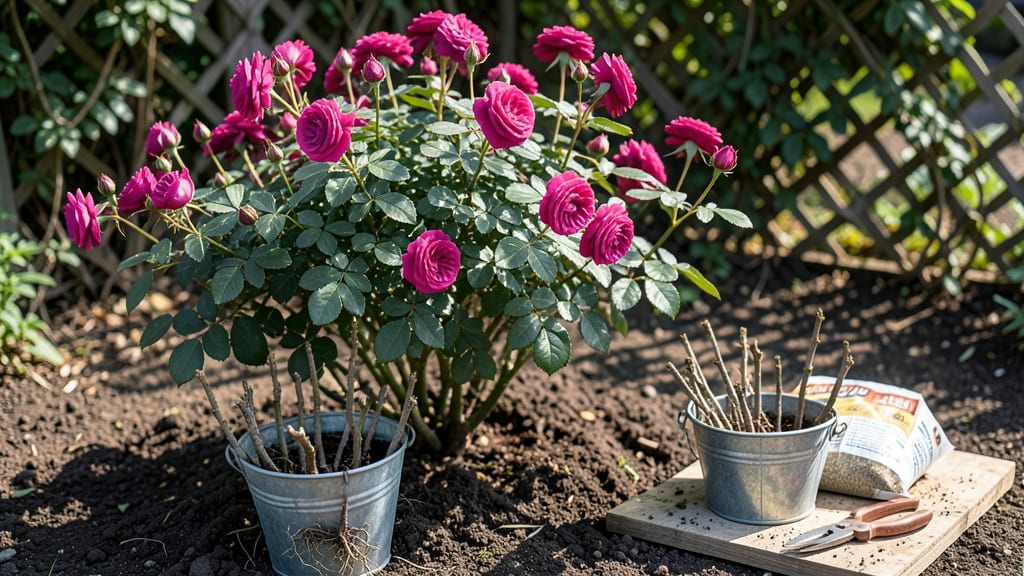
Plant roses in New York between April and May or September and October for the strongest start—timing this right means the difference between a garden full of blooms and one that struggles through the seasons.
New York’s unpredictable climate can make or break your rose garden—planting at the wrong time means weak growth, fewer blooms, or even winter damage. But timing it perfectly? That’s how you get roses that thrive from spring to fall.
Upstate gardeners in zones 4-5 have a narrower window than NYC’s 6a-7b zone, and bare-root roses need different care than potted ones. I’ll walk you through the exact months for each type, plus how to adjust for late frosts or early heat.
You’ll also learn how to extend your planting season with mulching, root protection, and container tricks—so even if you miss the ideal window, your roses still stand a chance.
NY planting zones: when to plant roses by region (Upstate vs NYC)
New York’s USDA planting zones 4-7 create unique challenges for rose growers. Upstate regions like Syracuse (Zone 5) and Albany (Zone 6) experience colder winters, while NYC (Zone 7) enjoys milder microclimates. These differences mean your planting window could shift by 4-6 weeks depending on location.
Understanding these zones helps you avoid late frosts in spring or early freezes in fall that can stunt young roses.
For Upstate NY (Zones 4-6), the safest planting windows are late April to early May or mid-September to early October. In NYC (Zone 7), you can push planting slightly earlier—mid-April to late May or late September to early November.
However, even NYC’s extended season has risks: planting too late in fall means roses won’t establish strong roots before winter dormancy, leaving them vulnerable to heaving (when soil freezes and pushes roots out of the ground).
Here’s how microclimates within these zones affect your timing. Urban areas like Manhattan or Brooklyn often stay 2-4°F warmer than rural Upstate farms, delaying frost dates. Meanwhile, Lake Erie’s influence in Buffalo (Zone 6b) creates cooler, wetter springs that demand extra soil prep.
Always check your last frost date (typically April 15 for NYC, May 1 for Upstate) and plan to plant 2-3 weeks after to ensure roots can establish before summer heat.
Soil preparation is 50% of your success in NY’s variable climate. Before planting, amend your soil with compost or aged manure to improve drainage—waterlogged roots are a common killer in Upstate’s heavy clay soils.
For NYC gardens, where soil is often compacted, consider raised beds or container planting to give roots room to breathe. Test your soil’s pH (6.0–6.5) and adjust with lime (to raise pH) or sulfur (to lower pH) if needed.
Roses thrive in well-aerated, slightly acidic soil, and neglecting this step can lead to chlorosis (yellowing leaves) even with perfect planting timing.
Fall planting offers cooler temperatures and less competition from weeds, but it requires extra root protection. In Upstate NY, aim to plant 6-8 weeks before the first hard frost (usually October 15).
For NYC, you can stretch this to November 1, but monitor weather forecasts. After planting, apply 4–6 inches of mulch (straw or shredded leaves) to insulate roots. This helps prevent heaving and ensures roses enter dormancy with strong root systems.
Pro tip: Water deeply before the first frost to hydrate the root zone for winter survival.
Best months for bare-root vs potted roses in New York gardens
Choosing between bare-root and potted roses in New York depends on your planting timeline and climate readiness. Bare-root roses—dormant plants with no soil—thrive when planted in early spring or fall, while potted roses offer flexibility for extended-season planting but require careful acclimation.
Understanding these differences saves you from weak growth or winter damage.
New York’s USDA Zone 6a climate means frost can hit as early as mid-October or linger until mid-April. Bare-root roses need 6-8 weeks to establish roots before winter, while potted roses can handle late plantings if given extra care.
Let’s break down the best months for each type and how to maximize success.
For bare-root roses, I always aim for April planting—once soil warms past 50°F—or late September to give roots time to harden before winter. Soak roots in water mixed with rooting hormone for 1-2 hours before planting to jumpstart growth.
In Upstate NY, where frosts hit earlier, I shift to mid-September plantings to avoid winter stress.
Potted roses let you plant throughout the season, but I recommend March-May for best results. If you’re planting in June or later, choose dwarf varieties (like 'Playboy' or 'David Austin') and water daily for 2 weeks to reduce transplant shock.
For late-season plantings (August-November), I always use container-grown roses and add compost-rich soil to boost root establishment.
One common mistake? Planting bare-root roses in November. While possible in sheltered NYC microclimates, most of New York sees frost by mid-October. If you must plant late, opt for potted roses and wrap the base with burlap and mulch to insulate roots.
I’ve had success with 'Dr. Huey' roses planted in early November using this method.
Pro tip: Test your soil’s pH (6.0-6.5) before planting—New York’s clay-heavy soils often need gypsum or compost to improve drainage. For bare-root roses, dig a hole twice as wide as the root ball; for potted roses, match the container’s depth.
Always plant with the graft union 2-3 inches above soil to prevent rot.
Remember, watering habits make the difference in New York’s humidity. Water deeply 2-3 times per week for the first month, then taper to weekly deep soaks. Mulch with 3-4 inches of shredded bark to retain moisture and regulate soil temperature.
With the right timing and care, your roses will reward you with vibrant blooms from June through October.