
Planting
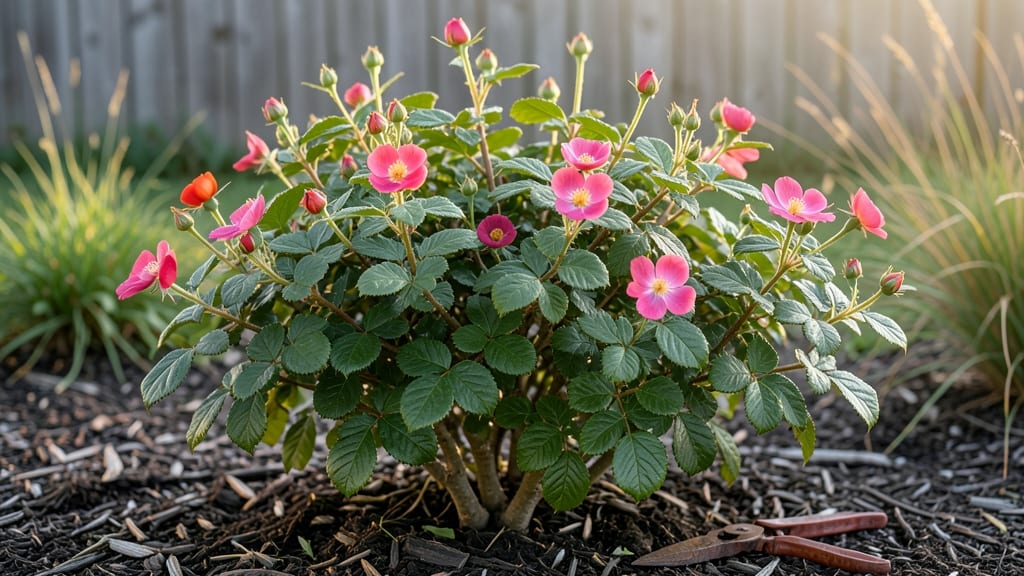
Shrub roses in Zone 4 aren’t just possible—they’re shockingly lush when you pick the right varieties and prep them for winter. 🌱 I’ve grown them through -30°F winters, and the secret isn’t just tough plants, but how you plant and protect them.
These roses don’t just survive—they come back stronger every spring, smothering your yard in fragrance from May until frost. The key starts with soil: amend with compost before planting to improve drainage, and mulch heavily in fall to insulate roots.
Varieties like ‘Knock Out’ or ‘Dr. Huey’ handle cold like champs, but even fancier ones thrive with the right care. Prune in early spring to encourage new growth, and never cut into old wood—it’s the plant’s built-in frost protection.
By winter, you’ll mound soil or mulch around the base like a fort, shielding roots from freeze-thaw cycles. The payoff? Bursts of blooms that make your neighbors jealous, even after brutal winters. These roses aren’t just cold-tolerant—they’re cold-proof when you treat them right.
Works for sunny borders, privacy screens, or even container gardens with the right winter wraps. Let’s get those roots established for a decade of fragrance.
📚 In This Guide
- What you need
- Instructions
- Tips and common mistakes
- Wrapping up and next steps
What you need
- ● Shrub roses (Zone 4 hardy varieties): 3–5 plants (e.g., 'Knock Out'®, 'Dr. Huey', or 'John Cabot'). Choose disease-resistant types.
- ● Well-draining soil: 10–15 cubic yards of amended soil (mix garden soil with compost and perlite for aeration).
- ● Organic mulch: 2–3 inches of wood chips or straw to retain moisture and insulate roots.
- ● Slow-release fertilizer: 10-10-10 or rose-specific formula (apply at planting and mid-season).
- ○ Rose food (optional but helpful): 1–2 applications of organic rose fertilizer (e.g., fish emulsion or bone meal).
- ● Support system: 3–4 stakes or a rose trellis per plant (6–8 ft tall for shrub varieties).
- ● Pruners: Sharp, bypass pruners (sterilized with rubbing alcohol).
- ● Garden hose or watering can: For deep watering (1–2 gallons per plant, 2–3 times weekly).
- ● Garden gloves: Heavy-duty to protect hands during thorny pruning.
- ● Soil pH test kit: Aim for 6.0–6.5 (adjust with lime or sulfur if needed).
- ● Drip irrigation system: Automates watering and saves time.
- ● Fungicide (preventative): Copper-based or neem oil spray for powdery mildew (common in Zone 4).
- ● Winter protection: Burlap or frost cloth (for young plants in harsh winters).
- ● Plant tags: Label varieties to track care needs.
Step-by-Step instructions for planting and caring for shrub roses in Zone 4
Here's how to establish cold-hardy shrub roses that thrive through Zone 4 winters and reward you with seasonal blooms.
🌱 Step 1: Choose the Right Varieties and Plant in Early Spring
Select Zone 4-tested shrub roses like 'Knock Out' or 'Dr. Huey'—they handle our winters like champs. Plant bare-root roses in early spring (March-April) when soil is workable but still cool. Dig a hole twice as wide as the root ball but only as deep—shrub roses hate being buried too deep.
Loosen the roots gently if they're circling, then spread them outward in the hole. This prevents girdling as the roots establish. Here's the thing—mound soil slightly around the base (about 2 inches higher than the root crown) to protect against winter heaving. Water deeply right after planting to settle the soil and eliminate air pockets.
☀️ Step 2: Provide Full Sun and Well-Draining Soil
Shrub roses demand 6+ hours of direct sun daily—no exceptions. If your site gets less, choose varieties like 'Earth Song' that tolerate partial shade. Amend heavy clay soil with 2-3 inches of compost before planting to improve drainage. Compacted soil leads to root rot, and nobody wants that.
I always test drainage by digging a 12-inch deep hole before planting. If water pools after 30 minutes, raise the planting area or mix in 50% sand or grit to the native soil. Mulch with 3-4 inches of shredded bark (not fresh wood chips) to insulate roots in winter and conserve moisture in summer.
💧 Step 3: Water Deeply and Fertilize Seasonally
Water newly planted shrub roses 1-2 times weekly until established (about 2 years1-2 gallons per plant each time. You'll know they're getting enough when the top 6 inches of soil stay moist but not soggy. Overwatering in Zone 4 is just as deadly as underwatering—roots need oxygen.
Feed with a balanced rose fertilizer (10-10-10) in early spring and again after the first flush of blooms. Stop fertilizing by mid-August to encourage hardy wood development before winter. I swear by a slow-release granular fertilizer—it's less likely to burn roots than liquid feeds.
✂️ Step 4: Prune for Cold Hardiness and Shape
Prune shrub roses in early spring (before buds swell) to remove dead wood and shape the plant. Cut back last year's growth by 1/3 to encourage strong new shoots. Never prune into old wood—you'll sacrifice next year's blooms. I look for outward-facing buds when making cuts to maintain an open center.
After the first flush of blooms, do a light cleanup pruning to remove spent flowers and encourage continuous blooming. In Zone 4, avoid heavy summer pruning—it stresses plants before winter. Wrap canes with rose pruning tape if your winters are particularly harsh to prevent sunscald.
⏰ Step 5: Prepare for Winter and Monitor Year-Round
Mound soil or mulch 6-8 inches high around the base in late fall to insulate roots. Water deeply before the ground freezes to prevent winter desiccation. I always check plants in late winter (February) for signs of winter dieback—you'll see brown canes that snap easily when bent. Prune these out immediately in early spring.
Watch for rose slugs (sawfly larvae) in summer—they skeletonize leaves overnight. Treat with neem oil if you spot them. Shrub roses are generally low-maintenance, but I inspect mine weekly for aphids or black spot. A 1% horticultural oil spray in early spring prevents most issues before they start.
Tips & tricks for thriving Zone 4 shrub roses
These insider tricks will help you avoid common pitfalls and get the most out of your cold-hardy shrub roses.
Planting Depth Matters: In Step 1, when planting, resist the urge to bury the root crown too deeply—it should sit about 2 inches higher than the surrounding soil. I've seen many gardeners bury it too deep, which leads to poor air circulation and potential rot. The slight mound also helps prevent winter heaving when the ground freezes and thaws.
Soil Test First: Before amending your soil in Step 2, conduct a simple drainage test by digging that 12-inch hole and filling it with water. If water remains after 30 minutes, you definitely need to improve drainage. I've had to replant roses twice because I skipped this step—don't make my mistake! For heavy clay soils, mix in 50% sand or grit by volume to create that perfect balance.
Watering Wisdom: In Step 3, those 1-2 gallons per plant should go directly to the root zone, not the leaves. Use a watering wand or soaker hose to deliver water slowly. I've noticed that many gardeners overwater in Zone 4 because they think roses need constant moisture, but soggy roots are just as harmful as dry ones. The top 6 inches of soil should stay moist but never soggy—this is your golden rule.
Pruning Precision: When pruning in Step 4, always make cuts at a 45-degree angle just above an outward-facing bud. This encourages new growth in the right direction. I've seen many gardeners cut too close to buds or make straight cuts, which leads to weak growth patterns. Also, never prune into old wood—this sacrifices next year's blooms, and we want those beautiful flowers!
Pro Tips for Shrub Roses Zone 4
- These insider tricks will help you avoid common pitfalls and get the most out of your cold-hardy shrub roses.
- Planting Depth Matters: In Step 1, when planting, resist the urge to bury the root crown too deeply—it should sit about 2 inches higher than the surrounding soil.
- Soil Test First: Before amending your soil in Step 2, conduct a simple drainage test by digging that 12-inch hole and filling it with water.
Frequently asked questions
Got questions about growing shrub roses in Zone 4’s chilly climate?
You’re not alone! Here are answers to the most common concerns to help you cultivate thriving, fragrant blooms even in cold winters.
What are the best shrub rose varieties for Zone 4?
Look for cold-hardy varieties like Knock Out® roses, Dr. Huey, or John Cabot. These thrive in Zone 4’s temperatures (-30°F to -20°F) and offer disease resistance. Check your local nursery for region-specific recommendations!
When is the best time to plant shrub roses in Zone 4?
Plant in early spring (after the last frost) or early fall (6 weeks before the first frost). Avoid planting in extreme heat or cold—roots need time to establish before winter. Pro tip: Mulch heavily after planting to protect roots!
How do I protect shrub roses from Zone 4 winters?
Mulch with 4–6 inches of organic mulch (straw or shredded bark) around the base. Prune in late winter (after danger of frost) to remove dead wood. For extra protection, wrap canes loosely with burlap or rose cones in severe winters.
Can I grow shrub roses in containers in Zone 4?
Yes! Choose large containers (15+ gallons) with drainage holes. Use a high-quality potting mix and move pots to a sheltered spot in winter. Add extra mulch around the base to insulate roots.
Why aren’t my shrub roses blooming in Zone 4?
Check for over-pruning (leave 3–4 buds per stem), poor soil (amend with compost), or pests/disease (spray with neem oil if needed). Zone 4 roses may bloom later—be patient! Fertilize in early spring for a boost.
Wrapping up and next steps
Growing shrub roses in Zone 4 is absolutely doable—with the right variety, preparation, and care, you’ll enjoy year-round blooms and intoxicating fragrance even in cold climates! 🌸❄️ Whether you’re a beginner or a seasoned gardener, these hardy beauties reward patience with stunning color and resilience.
Now that you’re armed with the best practices, take the next step: pick your favorite cold-resistant variety, mark your planting spots, and get ready to transform your garden into a fragrant paradise!