
Plants
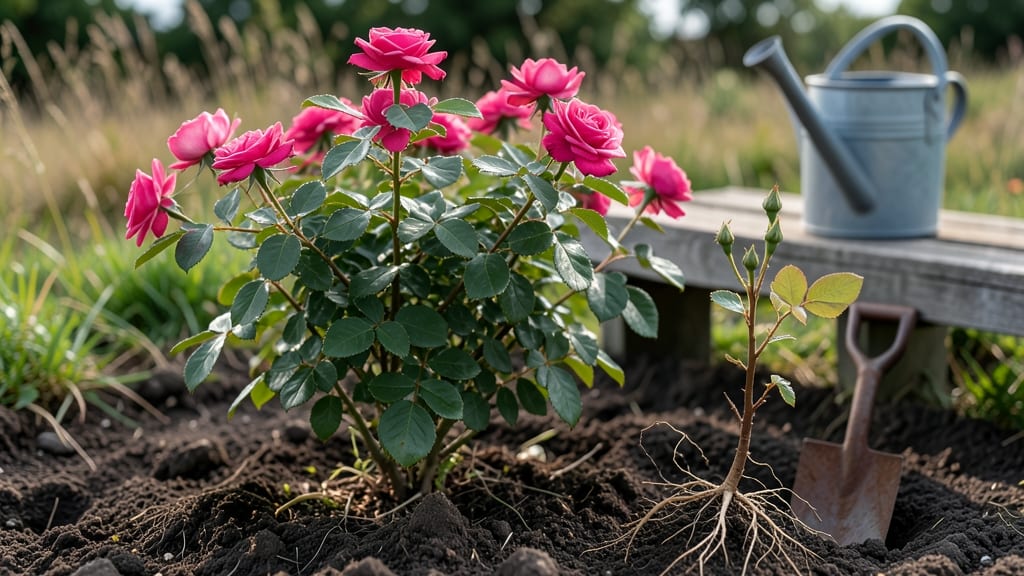
To plant knockout roses in Zone 6, aim for early spring or early fall when soil temperatures hit 50–60°F—the key to avoiding frost damage and weak roots.
If you’ve ever watched your knockout roses 🌹 struggle through a harsh Zone 6 winter or flop in soggy spring soil, you know timing is everything. Planting too early risks frost heave, while waiting too long delays blooms and stresses young roots.
Zone 6’s last frost typically lands in mid-April to early May, but soil readiness matters more than calendar dates. Below, I’ll walk you through how to check soil warmth, adjust for microclimates (like urban heat islands), and prep for fall planting—because yes, autumn can be just as good.
You’ll leave here knowing the exact 3-step soil test, the best mulching strategy for Zone 6 winters, and how to tell if your knockout roses are thriving—or just surviving. Let’s get those roots strong.
Optimal planting windows for Knockout roses in Zone 6
Timing your Knockout rose planting in Zone 6 is critical—these disease-resistant shrubs thrive when planted at the right moment. The ideal windows are early spring (after last frost) or early fall (6-8 weeks before first frost).
Planting outside these windows risks frost damage or stunted growth, especially in Zone 6's variable climate.
Zone 6 spans diverse microclimates, from Pittsburgh's cooler averages to Cincinnati's warmer pockets. Your local last-frost date (typically mid-April to early May) determines your spring planting window. For fall, aim to plant 6-8 weeks before your first frost (usually mid-October), allowing roots to establish before winter.
To pinpoint your exact planting window, check your local last-frost dates using resources like the National Weather Service or Old Farmer's Almanac. For example, Pittsburgh's last frost typically occurs 2-3 weeks later than Cincinnati's, so adjust your schedule accordingly.
Always test your soil temperature with a soil thermometer—aim for 50-60°F (10-15°C) for spring planting.
Spring planting offers the longest growing season, but fall planting can reduce water stress in summer. If planting in fall, water deeply after installation to help roots establish before winter.
Avoid planting in extreme heat (above 85°F/29°C), as it stresses young roots. Container-grown roses adapt better to late-season planting than bare-root varieties, which need soil temperatures above 50°F (10°C).
For bare-root roses, soak roots in water for 1-2 hours before planting to rehydrate them. If planting in clay-heavy soil (common in Zone 6), amend with compost or sand to improve drainage. This prevents root rot, a common issue when planting in waterlogged soil during spring's wetter periods.
In southern Zone 6b (e.g., near Lexington), you might plant 2 weeks earlier than in northern Zone 6a (e.g., near Erie). Use microclimate cues like crocus blooms (signaling safe spring planting) or fall asters (indicating ideal fall timing). These natural markers align with soil warmth and frost risk.
Pro tip: If you miss the ideal window, container planting extends your flexibility. Use 5-gallon pots with well-draining soil and move containers to a protected location during late frosts. This works well for late-spring or early-fall plantings in Zone 6's unpredictable climate.
Remember, Knockout roses are drought-tolerant once established, but young plants need consistent moisture during their first growing season. Mulch with 3-4 inches of organic mulch to retain soil moisture and regulate root-zone temperatures.
This is especially important in Zone 6's fluctuating temperatures, which can cause root stress.
By following these timing guidelines and soil temperature rules, your Knockout roses
Signs your Zone 6 soil is ready for Knockout rose planting
Your Zone 6 soil is primed for Knockout roses when it reaches a warm, workable temperature of 50-60°F. This typically happens after your last frost date—usually mid-April to early May—but don’t rely on the calendar alone.
Instead, watch for natural indicators like crocus blooms or dandelions pushing through the soil. These hardy perennials signal that the ground has warmed enough for delicate rose roots to thrive without shock.
Before you dig, perform a simple soil moisture test. Grab a handful of soil and squeeze it—if it crumbles easily when dry, it’s ready.
If it stays clumped, wait a few days. Clay-heavy soils in Zone 6 can trap moisture and stunt root growth, so test drainage by filling a container with water, pouring it into a hole, and timing how long it takes to drain.
Roses prefer well-draining soil that drains within 2-4 hours. If water pools, amend with compost or sand to improve structure.
⚠️ callout warning
⚠️ Don’t Plant in Cold, Wet Soil!
Planting Knockout roses in Zone 6 when the soil is still chilly or waterlogged can suffocate roots and invite fungal diseases. Avoid these mistakes:
- ❌ Planting before last frost – Roots won’t establish before cold snaps.
- ❌ Ignoring soggy soil – Roses hate "wet feet" and can rot.
- ❌ Skipping soil prep – Amend clay or sandy soil 4-6 weeks before planting.
🌱 Pro Tip: Test soil pH (aim for 6.0-6.5) and add aged compost or bone meal for phosphorus to boost root growth.
To prepare your soil for Knockout roses, focus on achieving a balanced pH of 6.0-6.5—the ideal range for these disease-resistant shrubs. Use a soil test kit (available at garden centers) to check your levels.
If your soil is too acidic (pH < 6.0), mix in lime; if it’s alkaline (pH > 6.5), add sulfur or peat moss. Aim for 20-30% organic matter—this improves moisture retention and nutrient availability.
Work in 2-3 inches of compost or well-rotted manure into the top 12 inches of soil before planting.
Visual cues from your garden can also guide you. Look for purple hyacinth blooms or tulips in full color—these signal that the soil has warmed sufficiently for roses. Additionally, earthworms should be active in the soil, as their presence indicates healthy, aerated conditions.
If you spot slugs or snails, that’s another sign your soil is moist and ready, but be prepared to use organic slug bait to protect your new plants.
One common mistake in Zone 6 is planting too early in spring when the soil is still cold. If you plant before the ground warms to 60°F, roots may stunt or rot due to poor microbial activity.
Instead, wait until you can easily work the soil with a trowel—if it resists, hold off for another week. For fall planting, aim for 6-8 weeks before your first frost (typically late August to early September in Zone 6) to allow roots to establish before winter.
Finally, consider your microclimate. South-facing slopes warm up faster than shaded areas, so adjust your planting timeline accordingly. If your garden is low-lying or near a pond, it may stay colder longer—opt for container planting to control soil temperature.
Once your soil meets all these criteria, your Knockout roses will thrive with minimal stress and maximized blooms all season long.