
Blooming
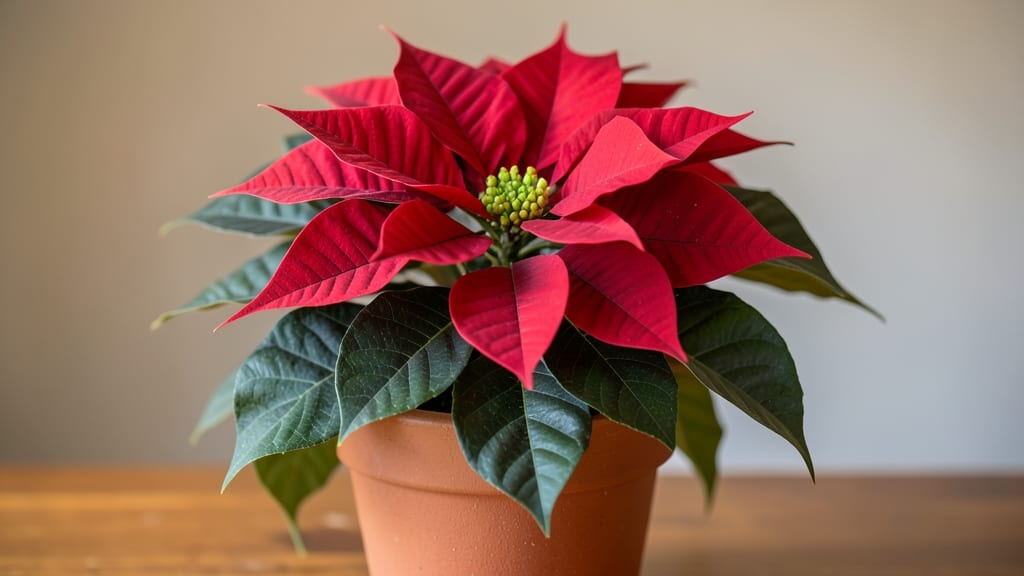
Poinsettias bloom naturally between October and December when exposed to the right daylight cues, making them a holiday staple—but their timing isn’t set in stone.
If you’ve ever wondered why your 🎄 poinsettia blooms only around the holidays, the answer lies in its natural cycle—and understanding it can help you grow vibrant flowers year-round.
These festive plants don’t follow a calendar; they respond to daylight cues, and knowing their exact blooming windows by variety could transform your indoor garden.
Most varieties peak in December, but some—like the early-blooming 'Christmas Eve Ruby'—can start as early as October, while others like 'Winter Rose' may linger into January. The key? 12 hours of darkness daily starting in late summer triggers their blooms, and tweaking this cycle lets you control when they flower.
In this guide, I’ll break down the natural blooming months by variety, how light exposure works, and 5 pro tips to extend their season beyond December—so you can enjoy their color for months, not just the holidays.
Natural poinsettia blooming seasons by variety: exact months revealed
Poinsettias are famous for their December displays, but their blooming windows vary dramatically by variety and latitude. Native to Mexico’s tropical forests, these plants rely on daylight cues rather than a calendar.
In their natural habitat, most varieties bloom between October and January, but indoor cultivation can shift these timelines by weeks—or even months.
Understanding these natural blooming windows helps you choose the right variety for your climate and adjust care routines. For example, a 'Christmas Eve Ruby' planted in USDA Zone 10 might bloom as early as late October, while the same variety in Zone 6 (indoors) could wait until mid-December.
The key factor? Daylight exposure and temperature.
⚠️ CRITICAL INSIGHT: Poinsettias are short-day plants, meaning they bloom when daylight drops below 12 hours. This explains why they peak in late fall—but some varieties break the mold. Let’s explore the exact months for popular types.
| Variety | Natural Bloom Window (Northern Hemisphere) | Latitude Adjustment | Key Color |
|---|---|---|---|
| 'Premier Red' | Mid-November to January | +2 weeks in Zone 10, -2 weeks in Zone 6 | Classic red |
| 'Christmas Eve Ruby' | Late October to December | +3 weeks in Zone 9, -1 week in Zone 7 | Deep maroon |
| 'White Christmas' | Early November to mid-January | +1 week in Zone 8, -3 weeks in Zone 5 | Cream/white |
| 'Winter Rose' | February to March (unusual!) | +4 weeks in Zone 11, -2 weeks in Zone 6 | Pink |
| 'Jester Red' | Late November to January | +2 weeks in Zone 10, -1 week in Zone 7 | Bright red |
| 'Ice Punch' | Mid-November to December | +1 week in Zone 9, -2 weeks in Zone 6 | Icy white |
Notice how 'Winter Rose' defies the holiday trend, blooming in February or March? This variety thrives in warmer climates (Zones 9-11) and responds to later daylight shifts. Meanwhile, 'White Christmas' often blooms earlier than red varieties because its white bracts mature faster in cooler temperatures.
If you’re in USDA Zone 6 or colder, your poinsettia’s blooming window will likely align with December holidays due to shorter daylight. But in Zone 10+, you might see October or November blooms—ideal for early holiday decor.
The 12-hour daylight rule is your secret weapon: expose plants to 12+ hours of darkness daily starting in late September to trigger blooming.
For indoor growers, artificial light can delay or advance blooming. Use a blackout curtain for 14 hours of darkness nightly to mimic winter conditions and force earlier blooms.
Conversely, extra light in fall can push blooming into January. This flexibility lets you time blooms for specific events, like weddings or New Year’s celebrations.
Regional variations also play a role. In southern California (Zone 10), poinsettias often bloom by late October because natural daylight drops below 12 hours earlier.
In New England (Zone 5), the same variety might not bloom until mid-December due to longer daylight in fall. Temperature matters too: cooler nights (60-65°F) speed up color development.
Pro tip: If you want year-round blooms, rotate between varieties with different bloom windows
How light exposure triggers poinsettia blooms: the 12-Hour rule explained
Poinsettias are famous for their holiday timing, but their blooming isn't magic—it's science. These plants rely on daylight exposure to trigger flowering, a process called photoperiodism. When days shorten in autumn, poinsettias detect the change and start producing colorful bracts (the "flowers" we admire).
Understanding this 12-hour rule lets you control blooming year-round, whether you're growing indoors or outdoors.
In their natural habitat (tropical Mexico), poinsettias bloom in late fall to early winter when daylight drops below 12 hours. This explains why most varieties peak around Christmas.
However, with the right light manipulation, you can coax blooms in spring or summer—or even delay them until New Year's. The key is mastering short-day lighting, which mimics autumn conditions.
⚠️ callout-warning
When Do Poinsettias Bloom Naturally?
Poinsettias bloom naturally in late October to December when daylight drops below 12 hours daily. In USDA Zones 9-11, outdoor plants may bloom as early as September if exposed to short-day conditions. However, indoor houseplants (common in colder zones) rely entirely on artificial light control—skipping this step means no blooms unless you wait for autumn.
🌱 Pro Tip: If your plant blooms too early or not at all, check your light exposure first!
To trigger blooming, poinsettias need 12+ hours of darkness daily for 6-8 consecutive weeks starting in late summer. This means if you're growing indoors, you'll need to block light artificially after sunset.
Use a dark box, blackout curtain, or even move the plant to a closet for 14 hours of darkness (including nighttime). During the day, provide bright indirect light (6+ hours) to keep leaves healthy.
Outdoor growers in warm climates (Zones 9-11) have an advantage—they can rely on natural daylight changes. Plant poinsettias outdoors in late summer and let them experience shorter autumn days.
However, avoid direct afternoon sun, which can overheat bracts and reduce vibrancy. A dappled shade spot works best, like under tree canopies or near east-facing walls.
Common mistakes that prevent blooming include inconsistent light exposure (e.g., leaving lights on at night) or skipping the 6-week dark period. Another pitfall is over-fertilizing in fall, which encourages leafy growth instead of flower buds.
Always reduce fertilizer in September and October to signal the plant it's time to bloom. For indoor plants, also avoid temperature fluctuations—keep rooms between 65-75°F for optimal results.
With the right light strategy, you can enjoy poinsettia blooms in any season. Try starting the 12-hour darkness cycle in June for a summer bloom, or delay it until November for a New Year's display.
The secret is patience and precision—once you master the daylight trigger, your poinsettias will bloom on your schedule, not just the holidays. 🎄