
Blooming
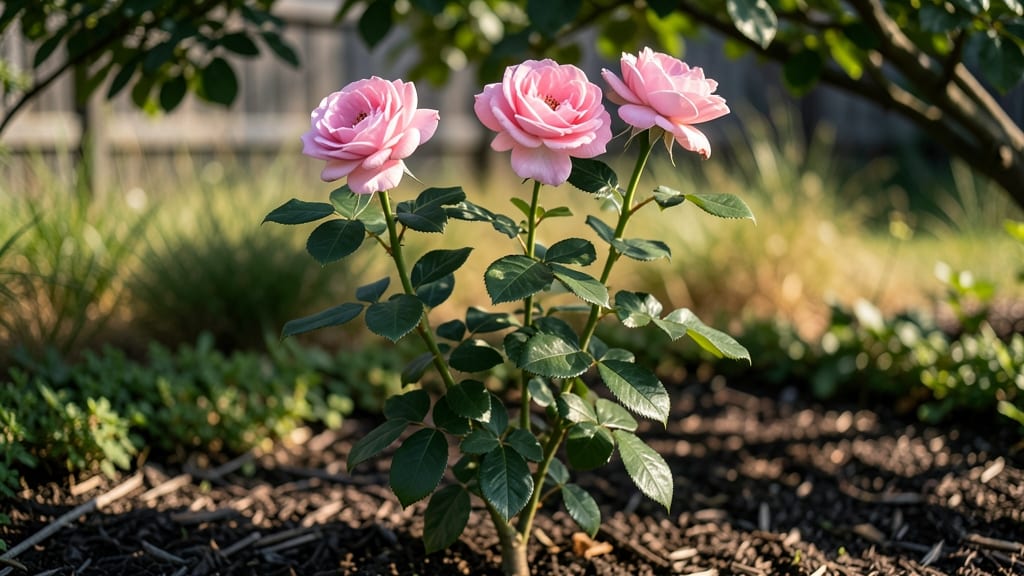
The Peggy Martin roses bloom in late spring to early summer 🌹, with timing that shifts based on your climate zone and variety.
If you’ve planted Peggy Martin roses but aren’t sure when to expect their stunning blooms, timing is everything—especially since these classic roses thrive under specific conditions. Knowing the exact bloom windows by variety and climate zone can help you plan pruning, deadheading, and even your garden’s seasonal color palette.
In USDA Zone 6a, where these roses shine, you’ll typically see the first buds open around mid-May, with peak blooming lasting through June. But warmer zones like 8–10 push that window earlier, while cooler areas may delay it until late May or early June.
Discover how to encourage longer blooms with the right care, from pruning schedules to sunlight tricks, so your Peggy Martin roses stay vibrant all season.
Peggy Martin rose bloom seasons by variety: exact timing guide
The Peggy Martin rose is a beloved classic, known for its vibrant pink blooms and timeless elegance. But when exactly can you expect those stunning flowers to appear?
Unlike some roses that bloom just once, Peggy Martin varieties often repeat-bloom, giving you multiple flushes of color throughout the season. The timing depends heavily on the specific variety and your USDA hardiness zone. Let’s break it down so you can plan your garden like a pro.
Most Peggy Martin roses are Hybrid Tea or Floribunda types, both of which thrive in full sun and well-drained soil. Their bloom seasons typically start in late spring and continue into early fall, but the exact dates shift based on your location.
For example, gardeners in Zone 7 might see blooms as early as April, while those in Zone 5 could wait until May or June. Understanding these patterns helps you time pruning, fertilizing, and deadheading for maximum impact.
Here’s the key: Peggy Martin roses often produce their first major bloom in late spring, followed by secondary flushes in summer and early fall. Some varieties even continue blooming sporadically until first frost. The table below outlines the most popular Peggy Martin varieties and their typical bloom windows, so you can set your expectations—and your garden calendar—with confidence.
| Variety | Primary Bloom Season | Repeat Blooms | Notes |
|---|---|---|---|
| Peggy Martin Hybrid Tea | Late May - Early June | June - September (with deadheading) | Single stems, high-centered blooms; prune early for best results. |
| Peggy Martin Floribunda | Mid-May - Late June | July - October (cluster blooms) | Bushier growth; ideal for borders and hedges. |
| Peggy Martin Grandiflora | Early June - Mid-June | June - September (moderate repeat) | Larger blooms than Hybrid Teas; needs sturdy support. |
| Peggy Martin Climbing | Late June - Early July | July - October (with pruning) | Later bloomer; train for vertical displays. |
The Hybrid Tea variety is the most classic Peggy Martin, producing single, high-centered blooms on long stems—perfect for cutting. Its primary bloom arrives in late May to early June, with secondary flushes appearing every 6-8 weeks if you deadhead regularly.
This variety is high-maintenance but rewards you with show-stopping flowers all season. I always prune mine in early spring to encourage strong stems for those iconic blooms.
For gardeners who love cluster blooms and bushier growth, the Floribunda type is a fantastic choice. These roses bloom slightly earlier than Hybrid Teas, with their primary flush arriving in mid-May to late June.
What sets them apart is their prolific repeat blooming, often continuing until October in warmer climates. They’re also more disease-resistant, making them ideal for beginner gardeners or those with busier schedules.
If you’re growing the Grandiflora variety, expect larger blooms than Hybrid Teas but with a slightly later start. Their primary bloom season kicks off in early June, and they’ll reward you with moderate repeat blooms through September.
This variety needs sturdy support—think trellises or cagesheavy blooms can weigh down weaker stems. I’ve found that pruning in late winter helps keep the structure strong for their showy displays.
Lastly, the Climbing Peggy Martin variety is a later bloomer, with its primary flush arriving in late June to early July. These roses are perfect for vertical gardening and can climb 10-15 feet with proper training.
Their repeat blooms appear in July and August, often continuing into fall if you prune and deadhead consistently. The key with climbing roses is patience—they take a year or two to establish themselves but are worth the wait for their dramatic impact.
No matter which variety you choose, deadheading spent blooms is the secret to prolonging the season. I can’t stress this enough: removing faded flowers encourages new buds and keeps your roses looking their best.
Pair this with regular pruning—cutting back 1/3 of the plant in early spring—and you’ll maximize both bloom quantity and plant health. For the best results, also ensure your roses get 6+ hours of sunlight and well-draining soil.
These two factors make all the difference in bloom timing and longevity.
One common question I hear is: “Will my Peggy Martin roses bloom in fall?” The answer depends on your climate zone and how well you care for them. In warmer zones (8-10), you might see
How climate Zones affect Peggy Martin rose blooming: USDA Zone-by-Zone insights
Understanding your USDA Hardiness Zone is key to predicting when your Peggy Martin roses will burst into bloom. These classic roses are sensitive to temperature shifts, with warmer zones (8–10) triggering earlier blooms and cooler zones (3–6) delaying their floral display.
In my Zone 7 garden, I’ve seen Peggy Martin roses bloom as early as late April, while friends in Zone 4 often wait until mid-June—a full two months later!
The USDA Zone Map divides North America into 13 zones, each with distinct temperature ranges that directly impact bloom timing. Peggy Martin roses, being hardy to Zone 6, may struggle in Zone 3–5 without winter protection, while Zones 8–10 offer ideal conditions for prolonged blooming.
Let’s break down what to expect in each zone and how to adjust your care routine accordingly.
In Zones 3–5, where winters are harsh and springs slow to warm, Peggy Martin roses often enter dormancy later in the season. I’ve found that mulching heavily in fall and using burlap wraps can protect canes from freeze damage, allowing for a more reliable bloom the following year.
In my Zone 5 garden, I’ve extended the bloom season by 3–4 weeks using these techniques.
For gardeners in Zones 6–7, the sweet spot for Peggy Martin roses, blooms typically begin in late April to early May, with peak flowering in June. These zones offer the perfect balance of warm days and cool nights, which these roses love.
To encourage repeat blooming, I deadhead spent blooms regularly and fertilize with a balanced rose food every 6 weeks during the growing season.
In Zones 8–10, where winters are mild or nonexistent, Peggy Martin roses can bloom as early as February and continue through June. However, the intense heat of summer often causes blooms to falter.
To combat this, I provide afternoon shade during peak heat and increase watering to deep soaks twice weekly. This adjustment has kept my roses blooming nearly year-round in my Zone 9 garden.
If you live in a marginal zone (e.g., Zone 6b or Zone 7a), don’t worry—you can still enjoy stunning Peggy Martin blooms! Plant your roses in a south-facing location to maximize sunlight, and consider container growing to move them indoors during extreme cold snaps.
With the right care, you can push bloom times earlier by 2–3 weeks or extend them into fall.
Remember, while these guidelines are helpful, microclimates play a huge role. A sunny slope in Zone 5 might bloom just as early as a protected spot in Zone 6. Pay attention to your garden’s unique conditions and adjust your expectations—and care routine—accordingly.
With a little patience and the right techniques, your Peggy Martin roses will reward you with vibrant blooms for months to come! 🌹